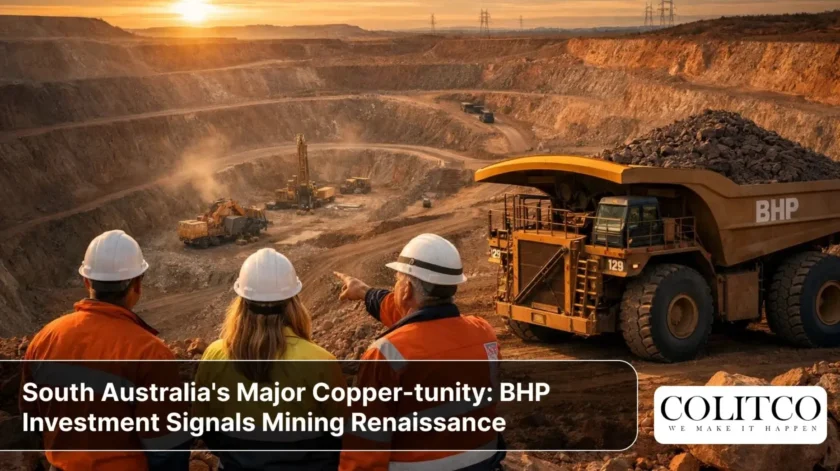
South Australia is positioning itself as Australia’s copper powerhouse as global electrification demands reshape mineral markets. BHP’s recent AUD 840 million investment in Olympic Dam represents a significant vote of confidence in the state’s copper future. This major commitment comes as the energy transition fuels unprecedented demand for copper and critical minerals across global markets.
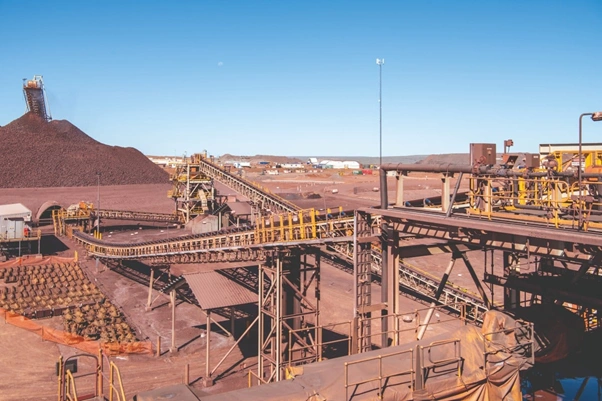
The state hosts 68 per cent of Australia’s economic demonstrated copper resources according to Geoscience Australia. South Australia’s vast mineral wealth is positioning it as a cornerstone of the decarbonised future.
How Is BHP’s Olympic Dam Investment Transforming South Australia’s Copper Industry?
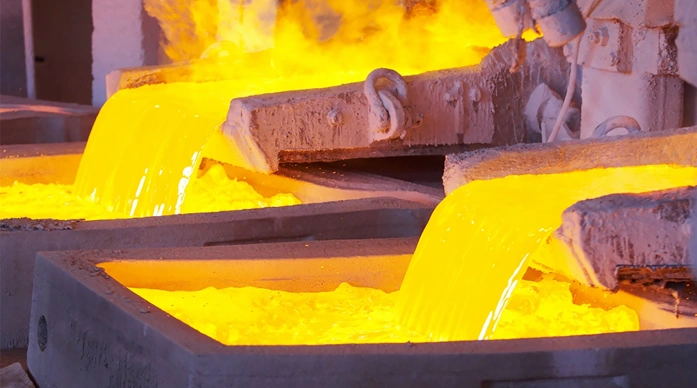
BHP is preparing to make a final investment decision by mid-2027 for a two-phase expansion of the smelter and refinery at Olympic Dam. Phase one would lift refined copper output to 500,000 tonnes per year in the early 2030s. A second phase could take production to roughly 650,000 tonnes per year by the mid-2030s.
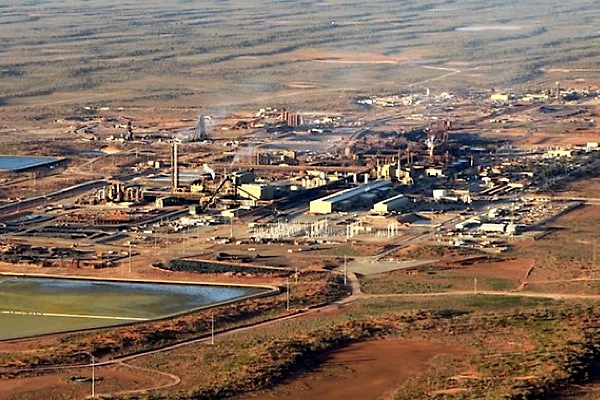
Copper output at Olympic Dam has exceeded 300,000 tonnes a year across recent production periods. BHP Chief Operating Officer Edgar Basto stated the Company’s portfolio will help grow the precinct’s annual copper base from 1.7 to 2.5 million tonnes. This expansion represents a significant scaling of South Australia’s copper production capacity.
Speaking at Asia-Pacific’s International Mining Exhibition in Adelaide, Bhatti highlighted that the world is experiencing a second electrification revolution. The demand for copper in this revolution is paramount to meeting global energy transition goals.
Why Does Copper Matter for South Australia’s Economic Future?
The copper sector contributes 6.4 per cent of South Australia’s gross state product, according to the South Australian Chamber of Mines and Energy. Direct employment in the sector has surged by 86 per cent in the past five years. Mining and resources activity now underpins a significant share of full-time employment across the state.
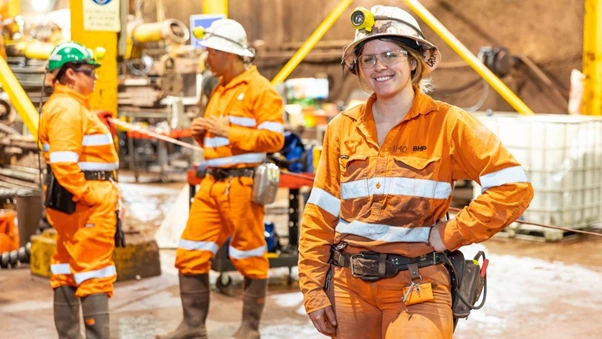
SACOME CEO Nicola McFarlane underlined the central role South Australia’s resources sector plays in the economy and global energy transition. She addressed delegates at AIMEX, emphasising that copper has long been a key goal for the state’s economic growth. The mineral’s importance continues to expand as electrification accelerates across transport, energy storage and power generation sectors.
SA Treasurer and Minister for Energy and Mining Tom Koutsantonis stated that mining is now a pillar of the South Australian economy. The state comprises about six to seven per cent of the country’s economic output. Koutsantonis expressed hope that over the next decade, mining’s contribution will dramatically increase as major projects reach production capacity.
What Role Does Decarbonisation Play in South Australia’s Copper Demand?
Decarbonisation does not mean less mining but rather more mining, according to Nicola McFarlane. Clean energy technologies are more mineral-intensive compared to fossil fuel counterparts. This fundamental shift is driving unprecedented demand for copper and other critical minerals, including lithium, nickel and cobalt.
According to the International Energy Agency’s assessment, countries worldwide are on track to double overall mineral requirements for clean energy technologies by 2040. A typical electric vehicle requires roughly six times more mineral inputs than a petrol car. An onshore wind plant needs around nine times more minerals than a gas plant of equivalent capacity.
Meeting the goal of limiting global temperature rise to below 2 degrees Celsius will require a fourfold increase in mineral demand by 2040. South Australia’s copper resources position the state to meet these requirements. While decarbonisation signals a decline in fossil fuel extraction, it accelerates the need for minerals like copper as essential components of low-emission technologies.
BHP’s Olympic Dam expansion plans include significant organic copper growth alongside major emissions reduction initiatives. The Company is working to displace diesel as quickly as possible across its operations. Bhatti noted that BHP has access to South Australia’s copper province with immense growth planned across Olympic Dam, Prominent Hill and Carrapateena assets.
South Australia’s Copper Province Advantages
Almost every technology involved in generating, transmitting, storing or using electricity relies on copper due to its unique properties. The metal’s ductility and corrosion resistance make it irreplaceable in electrical applications. South Australia’s substantial copper endowment positions it to capture growing global demand driven by electrification across multiple sectors.
BHP’s confidence in Olympic Dam reflects broader industry recognition of South Australia’s copper potential. The AUD 840 million investment signals that major miners view the state as a primary provider on the global stage. This positioning becomes increasingly valuable as copper emerges as a major force in mineral markets.
Also Read: Antipa Minerals Expands Minyari Resource to 3.3 Million Ounces Gold Equivalent
FAQs
Q1. How much is BHP investing in Olympic Dam’s copper expansion?
Ans. BHP is investing AUD 840 million in Olympic Dam with plans for a final investment decision by mid-2027 for a two-phase smelter and refinery expansion project.
Q2. How much copper does South Australia control in Australia?
Ans. South Australia hosts 68 per cent of Australia’s economic demonstrated copper resources according to Geoscience Australia, making it the nation’s dominant copper province.
Q3. What will Olympic Dam’s copper production reach after expansion?
Ans. Phase one would lift refined copper output to 500,000 tonnes per year in the early 2030s, with a potential second phase reaching roughly 650,000 tonnes per year by mid-2030s.
Q4. How much does copper contribute to South Australia’s economy?
Ans. The copper sector contributes 6.4 per cent of South Australia’s gross state product, with direct employment surging by 86 per cent in the past five years.