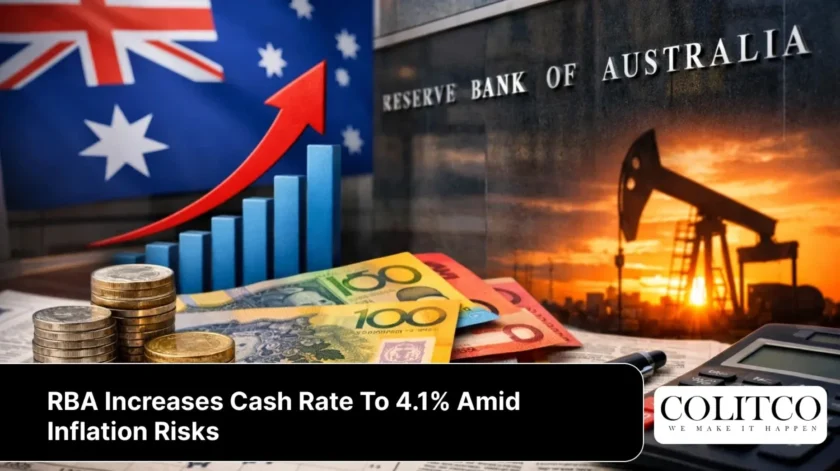
The Reserve Bank of Australia (RBA) Board increased the cash rate by 0.25 percentage points today. This decision brings the official cash rate to 4.1 per cent from its previous level of 3.85 per cent. The RBA Board reached this conclusion through a split vote during its monthly meeting.
Five members of the monetary policy board voted for the rate increase. Four members voted to maintain the cash rate target at 3.85 per cent. This result represents the narrowest margin for the RBA since the bank began disclosing vote counts in July.
The RBA has now increased interest rates twice within the first three months of 2026. The board cited material increases in inflationary pressure during the second half of 2025 as a primary reason for the move. Data confirmed that the labour market tightened and capacity pressures increased beyond previous assessments.
Figure 1: RBA increased the cash rate by 0.25% [Getty Images]
The Household Squeeze: Mortgage Costs Surge
Australian households face immediate increases in mortgage costs following this decision. A household with a $600,000 mortgage over 25 years will pay an additional $91 per month. Banks typically pass these rate hikes to customers within days of the RBA announcement.
Rising interest rates coincide with a surge in fuel prices across the country. Data from Finder indicates that back-to-back rate hikes cost a $500,000 mortgage holder an extra $159 per month. These figures assume a starting rate of 5.51 per cent for the calculations.
Higher borrowing costs impact the broader economy by reducing disposable income. Economists warn that inflation could reach 5 per cent in the next quarter. Petrol prices have jumped by 50 cents a litre on average in recent weeks.
- A $750,000 mortgage requires an additional $238 per month.
- A $1 million mortgage requires an additional $318 per month.
- Inflation expectations have risen according to short-term measures.
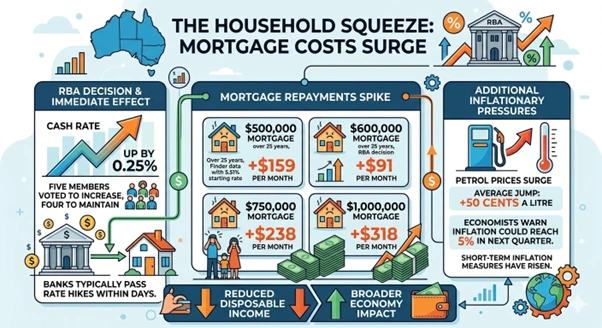
Figure 2: Impact on households
Industry Reaction: How Banks and Experts Respond
The RBA Board members made the policy decision under the leadership of the Governor. RBA Deputy Governor Andrew Hauser previously characterised inflation as “toxic” during public comments last week. His remarks signalled the hawkish stance that the board adopted today.
Commercial banks have already reacted to the shifting economic environment. ANZ increased its fixed mortgage rates by up to 0.25 percentage points on Friday. NAB economists issued warnings regarding the impact of fuel prices on the consumer price index.
Treasury officials provided analysis on the relationship between oil prices and headline inflation. Westpac chief economist Luci Ellis predicted further rate hikes in the coming months. KPMG chief economist Brendan Rynne suggested the period of low interest rates has ended.
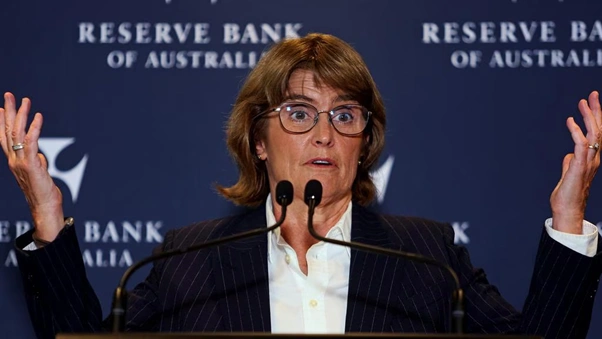
Figure 3: RBA Governor Michele Bullock [John Appleyard]
The Global Backdrop: Oil, Conflict, and Local Impact
The RBA Board met in Sydney to determine the national monetary policy. The effects of the decision spread across every state and territory in Australia. Remote parts of the country currently face fuel shortages alongside price increases.
The conflict in the Middle East influences the domestic economic landscape from abroad. This war involves the United States, Israel, and Iran. Global oil markets react to the instability in this region.
Brent crude oil prices fluctuate on the international market. The price touched $US116 a barrel last week before settling near $US103 a barrel. These global movements dictate the prices at local Australian petrol pumps.
A Fast-Moving Timeline: The 2026 Rate Hikes
The RBA announced the rate hike on the third Tuesday of March 2026. This move follows a previous interest rate increase in February. The board noted that inflationary pressures picked up materially in the second half of 2025.
The war in the Middle East began on 28 February 2026. Oil prices traded at $US70 a barrel at the end of February. Prices surged to more than $US100 a barrel within three weeks of the conflict commencement.
Treasury forecasts suggest headline inflation will jump in the upcoming quarter. Westpac expects the RBA to lift rates again in May. The bond market prices in four rate hikes before the end of the calendar year.
Future Outlook: Steering Back to the Target Range
The RBA intends to bring inflation back to its target range of 2.5 per cent. Headline inflation currently runs at an annual pace of 3.8 per cent. The board believes the current rate hike will dampen demand in the economy.
Treasury models show how oil prices dictate inflation outcomes. Headline inflation will rise 0.5 percentage points if crude oil averages $US100 a barrel for three months. It will rise 1 percentage point if the average reaches $US120 a barrel.
The RBA Board maintains an open door for future rate increases. The statement accompanying the decision noted that financial conditions tightened this year. However, the board remains uncertain regarding the extent to which policy restricts borrowing.
Key Forecasts:
- The RBA predicted inflation would reach the target range by mid-2027.
- Major banks forecast a cash rate of at least 4.30 per cent by May.
- Three rate cuts from 2025 face reversal through consecutive hikes.
The Australian economy continues to grow at its fastest pace in three years. Unemployment has fallen since September, which increases pressure on wages and prices. The RBA statement warned that “the jobs market and economy more broadly were now running hotter than the bank had realised.”
The Board stated, “While part of the pick-up in inflation is assessed to reflect temporary factors, the Board judged that the labour market has tightened a little recently and capacity pressures are slightly greater than previously assessed.” This assessment suggests a focus on domestic capacity rather than just international shocks.
Market participants responded to the split decision by betting against further aggressive rises. The ASX200 rose 0.2 per cent following the announcement. The Australian dollar fell from 70.8 US cents to 70.55 US cents as traders processed the news.