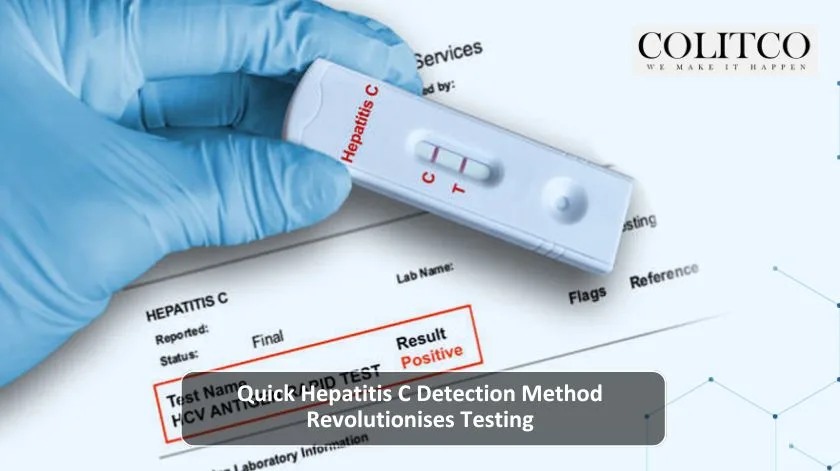
Northwestern University scientists have presented a quick hepatitis C detection method that provides results in about fifteen minutes. The innovation is considered a significant step in the control of hepatitis C worldwide.
Unlike the conventional methods, which target antibodies, the diagnostic tool directly catches the RNA of the active virus. It makes use of a portable platform built for a point-of-care application. The main objective is to eliminate the delays that impede early treatment in numerous areas.
Northwestern unveils a fifteen-minute breakthrough hepatitis C detection method.
What Is The Fastest Hepatitis C Test in 2025?
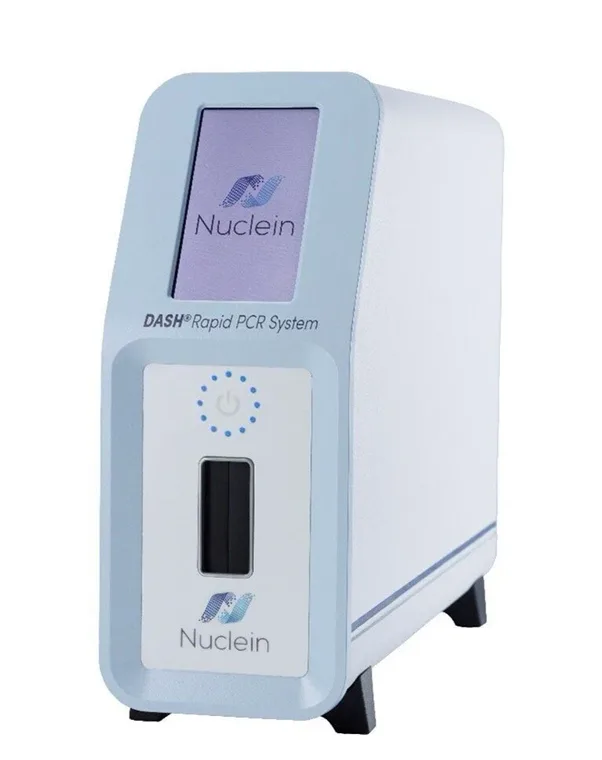
The Fastest hepatitis C test 2025 operates on the DASH Rapid PCR platform. The apparatus utilises whole blood and directly recognises the hepatitis C virus RNA. Trials corroborated that it works perfectly with commercial laboratory systems.
Such outcomes signify an excellent performance for medical purposes. The technology is much quicker than the current rapid molecular tests. A large number of point-of-care PCR devices take as long as 40 to 60 minutes or more. But with the new method, the analysis is done in 15 minutes.
This remarkable progress benefits not only patients but also clinicians and health care systems. Confirming diagnosis faster, hence, progressing quickly toward a treatment decision.
Why Does Speed Matter In Hepatitis C Screening?
Traditional hepatitis C screening often entails two tests done separately; hence, speed is a vital factor. The first step determines the presence of antibodies, and the second step verifies active infection. A lot of people do not go back for the second test.
This slip prolongs the period of diagnosis and treatment. Quick hepatitis C screening might be a solution to the problem of missed opportunities. Same-day diagnosis would mean the patient’s chance of starting the therapy early is increased.
This would be very advantageous in rural and isolated areas. Long-distance travel to get to clinics for patients in these communities is often the case. Nonetheless, the one-visit testing option takes away a huge barrier.
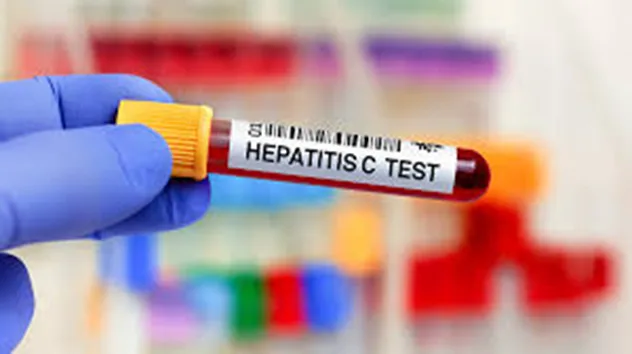
Hepatitis C screening uses two tests; speed is crucial.
Could This Test Improve Global Treatment Uptake?
Absolutely, the rapid detection method of hepatitis C might revolutionise the whole treatment process. Hepatitis C is a very treatable disease that can be completely cured with the help of antiviral medicines that are usually prescribed for 8 to 12 weeks.
Still, the number of infected people is very high, and they remain undiagnosed because screening processes are slow. Quick detection could be a factor that decides the success of the campaign to completely eradicate hepatitis C as a public health issue by 2030, since it would lead to an increase in testing coverage.
Besides that, the public health agencies have plans for the complete elimination of the virus worldwide by the year 2030. The need for rapid diagnostics is in line with these local and global objectives. Moreover, immediate testing can be very helpful in controlling the spread of the virus in at-risk populations. The key to halting the proliferation of the virus lies mainly in timely detection.
How Does This Quick Detection Method Work?
The fastest hepatitis C test 2025, deploying PCR technology, reveals the presence of the viral RNA. This direct confirmation of infection can be performed via the automated and user-friendly platform.
The machine operates by combining the extraction and amplification of viral material inside a single closed unit. The chances of contamination are therefore decreased. It also allows for testing in places where laboratory capacity is limited.
It can be used in clinics, emergency departments, and mobile health services. The Reliable precision guarantees that treatment is chosen based on solid proof.

The Fastest hepatitis C test 2025 uses PCR to confirm infection.
What Comes Next For Fast Hepatitis C Screening?
The innovation has to go through further governmental regulation steps before its full market introduction. Once it gets clearance, it will alter hepatitis C testing tactics considerably.
The healthcare sector may make use of the device for regular testing in areas where risk is high. The platform will aid outreach programs as a significant means of testing. Next-day and transportable diagnostics are very important for the underprivileged communities with restricted healthcare access.
The Quick hepatitis C detection method provides the prospect of quicker diagnosis, thereby, earlier treatment and less burden of the disease. It may soon become a critical tool in the elimination strategies of the future.
Also Read: Aged Care Crisis Australia Deepens As Allman-Payne Blasts Health Officials Over System Failures
FAQs
Q1. How quickly is the new hepatitis C test?
It provides results in approximately 15 minutes, thus it can be classified among the fastest molecular tests available.
Q2. Does the Quick hepatitis C detection method certify the presence of the virus?
Certainly, it uncovers the presence of the virus, which in turn identifies active hepatitis C.
Q3. Would the implementation of this test improve global control over the hepatitis C virus?
With diagnosis being done quicker, it is possible that more patients would be treated and the elimination target would be supported.
Q4. Is the Fastest hepatitis C test 2025 already cleared for public use?
It is still going through the assessment process by the regulatory authorities before being made available in broader areas.