Oil Market Shock Triggers Behavioural Shift
A fresh wave of geopolitical tension in the Middle East has disrupted global oil flows, sending crude prices sharply higher and reshaping consumer sentiment around transport choices.
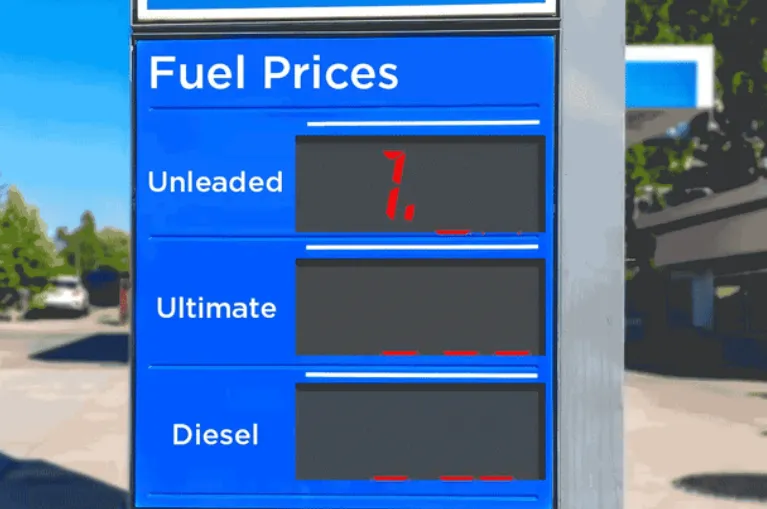
Rising fuel prices amid global oil shocks are pushing consumers to rethink transport choices. [AFR]
Reports from multiple analysts indicate that volatility in fuel markets is once again influencing public behaviour, with electric vehicles (EVs) emerging as a key beneficiary of the shift.
Data trends highlighted by The Conversation show a sharp spike in online searches for “electric vehicles” following the escalation of conflict and rising fuel prices.
Similar patterns were observed during previous global shocks, including the Russia–Ukraine conflict, where fuel insecurity accelerated EV curiosity and adoption discussions.
Search Data Signals Rising EV Curiosity
Google Trends data suggests a rapid rise in EV-related interest, with search activity increasing significantly in the days following oil price spikes.
Analysts note that such surges typically reflect short-term reactions to fuel costs, but they often leave a lasting behavioural impact.
Historical comparisons indicate that while interest may cool after oil prices stabilise, it rarely returns to previous baseline levels.
This suggests that energy shocks play a role in permanently reshaping consumer awareness of electric mobility.
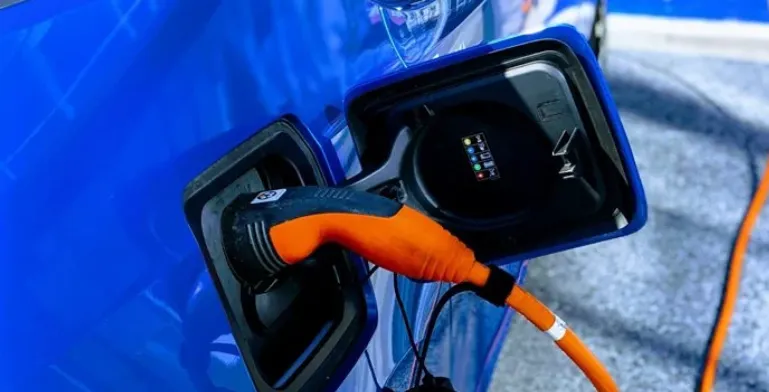
Online searches for electric vehicles spike as fuel costs rise, reflecting shifting consumer interest. [Bizcommunity]
EV Adoption Strengthened by Energy Security Concerns
Beyond consumer interest, energy security has become a growing driver of EV adoption narratives.
As oil supply routes such as the Strait of Hormuz face disruption risks, governments and industries are increasingly viewing electrification as a resilience strategy rather than only an environmental transition.
According to industry analysis, electric fleets offer predictable energy costs, reduced exposure to fuel volatility, and improved operational stability. These factors are particularly attractive during periods of geopolitical uncertainty when fuel prices can swing sharply within days.
China’s EV Industry Gains Strategic Advantage
China’s electric vehicle sector is positioned to benefit strongly from the current global energy environment.
As highlighted in recent international reporting, higher oil prices combined with falling EV production costs are accelerating overseas demand for Chinese manufacturers.
However, despite rapid export growth, analysts warn that domestic overcapacity remains a challenge, with only a fraction of current EV brands expected to remain financially viable in the long term. Even so, rising global fuel costs are expected to support continued expansion across Asia and emerging markets.
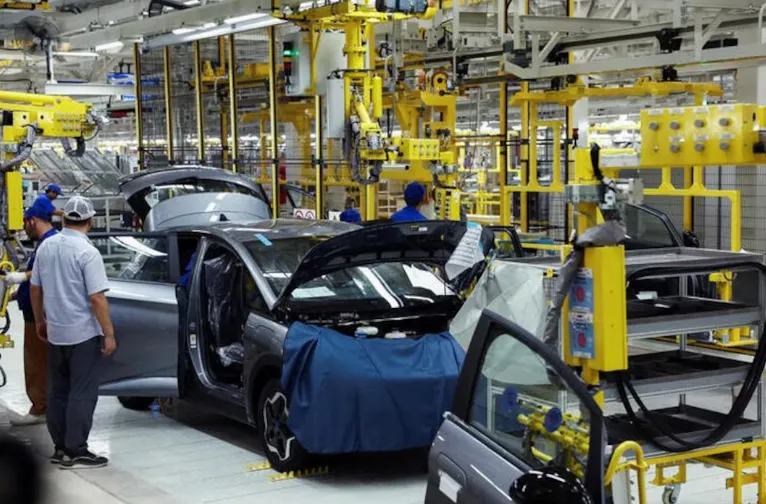
China’s EV manufacturers are expanding rapidly as global demand strengthens amid oil volatility. [Reuters]
Renewables and EVs Align in Energy Transition
Energy experts also suggest that oil shocks accelerate broader investment in renewable energy and electrification. Solar, wind, and battery storage systems are increasingly being integrated with EV infrastructure, creating a more decentralised and resilient energy ecosystem.
Some analysts describe the current environment as a potential “turning point” for global energy systems, where electrified transport becomes a central pillar of energy independence strategies rather than a niche sustainability goal.
Market Outlook: Structural Shift or Temporary Reaction?
While short-term spikes in EV interest are closely tied to fuel price volatility, long-term trends suggest a structural shift is underway. Falling battery costs, expanding charging networks, and increasing policy support continue to strengthen the case for electric mobility.
However, risks remain. EV adoption still faces barriers including affordability concerns, infrastructure gaps, and uneven policy support across regions.
The extent to which current oil market disruptions translate into sustained EV adoption will depend on how long energy instability persists.
Also Read: Iran Hormuz Transit Fees Disrupt Global Oil Shipping | Colitco
Final Thoughts
The latest surge in oil prices has once again highlighted the vulnerability of fossil-fuel-dependent transport systems. While the immediate reaction is increased interest in electric vehicles, the longer-term impact may be a gradual but lasting shift in how consumers and industries approach mobility and energy security.
FAQS
Q1: Why are electric vehicle searches increasing during oil price spikes?
A1: Higher fuel prices make EVs more attractive as consumers look for cheaper long-term transport options. Geopolitical disruptions that raise oil costs often trigger immediate spikes in EV interest.
Q2: Do oil price shocks lead to long-term EV adoption?
A2: Yes, partly. While interest may drop after fuel prices stabilise, studies show it rarely returns to previous levels, suggesting a lasting shift in awareness and consideration.
Q3: How does energy security influence EV growth?
A3: EVs reduce reliance on imported oil, making countries and businesses less vulnerable to global supply disruptions. This improves cost stability and energy independence.
Q4: Are EVs becoming cheaper compared to petrol cars?
A4: In many markets, entry-level EV prices are approaching or even undercutting some petrol models, especially when factoring in lower running and maintenance costs.
Q5: Which regions are driving EV adoption fastest during oil crises?
A5: Asia, particularly China and Southeast Asia, is seeing rapid growth due to high fuel exposure, strong manufacturing capacity, and expanding EV exports.
Q6: What role do governments play in accelerating EV adoption during crises?
A6: Governments often respond with subsidies, infrastructure investment, and policy support to reduce fuel dependence and stabilise transport systems.
Q7: Will EV adoption slow down if oil prices fall again?
A7: Interest may cool temporarily, but structural factors like technology improvements, cheaper batteries, and climate policies continue to support long-term EV growth.
Disclaimer
This article is based on analysis of publicly available reports, market data, and expert commentary on global energy trends and electric vehicle adoption. It is intended for informational and editorial purposes only. Colitco does not provide financial, investment, or transport advice, and readers should conduct their own research before making any decisions based on the information provided.
Sources
https://edition.cnn.com/2026/03/24/business/chinese-evs-oil-price-shock
https://www.cnbc.com/2026/03/25/iran-war-renewables-solar-wind-oil-gas-energy-strait-of-hormuz.html
https://discoveryalert.com.au/shift-electric-vehicles-middle-east-crisis-2026/
Last modified: March 28, 2026