
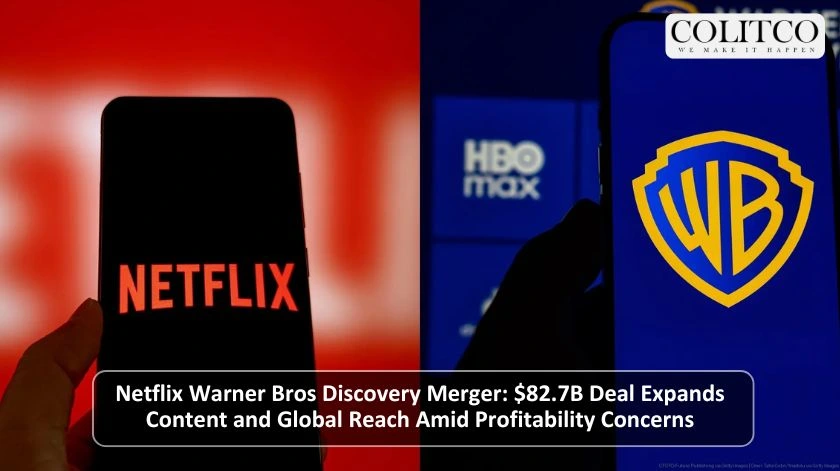
The merger between Netflix and Warner Bros. Discovery will allow Netflix to purchase the studios and streaming business of Warner Bros. Discovery for a total enterprise value of approximately US$82.7 billion, which is a huge premium in the industry.
The shareholders of WBD will get around US$72.0 billion in stocks with a share price of US$27.75, which will be paid partly in cash and partly in Netflix shares. The size of the transaction was a shock to the analysts, as it marked a new reference point for streaming mergers and made it necessary to answer the question about long-term returns.
Netflix to acquire Warner Bros Discovery for $82.7B
Will Shareholders Actually Gain From The Merger?
On the one hand, the WBD shareholders consider the deal very advantageous, as they get cash and stock, plus they have, along with the rest who are being spun off, a share of Global Networks, which is estimated to be about US$3 per share at the low end.
But on the other hand, Netflix shareholders are in a state of uncertainty since the expensive takeover could make the entity formed by the merger overvalued.
The premium left over after computing the savings is not only on the high side but also is subject to analysts’ discussions on whether Netflix is risking shareholder value for the sake of content expansion and winning the competition in the market.
What Are The Pros For Netflix After The Merger?
The deal with Netflix will provide the company with a vast collection of classic franchises, including those that were part of Warner Bros., along with their movies, television shows, and streaming assets.
In addition, it will also bring more global presence to the company. The merger will enable Netflix to add more quality content, win new customers, and lessen its dependence on others for supplying content.
Thanks to its international foothold, the company is in a great position to speed up growth in markets where it has yet to penetrate, and the extra content may even help in retaining customers while giving the company a position to compete with other streaming services.
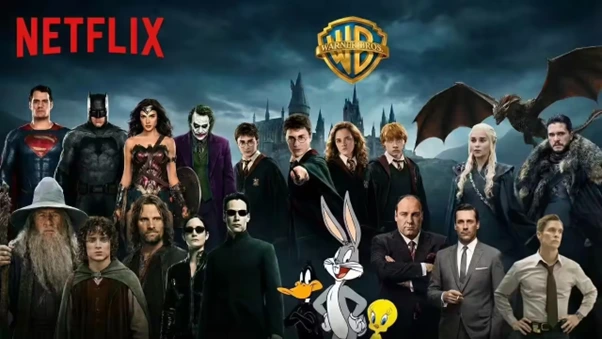
Netflix gains Warner Bros franchises, movies, shows, and global reach.
What Are The Risks And Challenges?
Despite the hope of the regulatory authorities, the US and the EU antitrust supervisors can block the merger or impose conditions based on the theory of market concentration. The situation of Netflix’s current subscribers overlapping with moviegoers of HBO Max could lead to the synergy being minimal and some parts of the deal being unnecessary.
Furthermore, the streamers’ rivalry and consumers’ changing tastes necessitate continuous investment in original content, which could deplete the funds generated by the merger. Some analysts caution that the use of debt and the difficulties of integration might make Netflix’s high-risk strategy the case in the short term.
Is The Merger A Strategic Win Or Overpriced Gamble?
On the one hand, the merger may lead to an extensive Netflix library and wider global reach, but on the other hand, the very high acquisition cost creates doubt about future profitability. For the stockholders of WBD, the conditions seem to be advantageous.
However, the investors in Netflix might have to take a risk because of the uncertainties brought by the regulators, the overlapping market, and the costs of integration. The analysts have not come to a consensus yet about whether or not the unified company will be able to provide enough profits to cover the investment.
This transaction reveals the conflict between strategic aspiration and financial discipline in the streaming industry, which is now a major challenge for Netflix’s management.
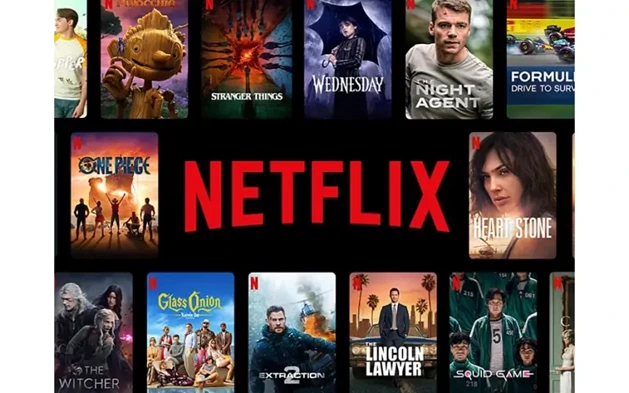
Merger expands Netflix content and reach, but high costs raise profitability doubts.
Looking Ahead
In case of the regulators’ approval and Netflix’s accomplishment of the projected synergies, the merged firm would be able to easily become a powerhouse in the world’s streaming and media markets for an extended period.
On the contrary, if the company does not reach the financial targets or does not satisfy the regulators, it will have to face the consequences of being overvalued and carrying a heavy debt, which will eventually lead to a loss of investor confidence. WBD’s Global Networks spin-off is expected to achieve the crucial merging milestone before the full merger completes in 2026.
Those who invest in the deal and thus take part in the industry will have to keep a close watch on the execution, as the success of the deal is largely dependent on integration efficiency, subscriber retention, and content utilization.
Also Read: KPop Demon Hunters’ Toy Shortage Sparks Fan Frustration Amid Netflix Phenomenon
FAQs
Q: What is the value of the Netflix Warner Bros Discovery merger?
A: The deal values Warner Bros. Discovery at US$82.7 billion enterprise value and roughly US$72.0 billion equity value.
Q: What will WBD shareholders get from the deal?
A: They receive US$27.75 per share, paid in cash and Netflix stock, and retain a stake in a spun-off Global Networks business valued about US$3 per share.
Q: Why do some analysts call the merger price exorbitant?
A: Netflix is paying 25 times the estimated 2026 EBITDA, a steep premium even after expected cost savings.
Q: What are the main risks for Netflix post-merger?
A: Regulatory hurdles, subscriber overlap, heavy debt funding, and rising content costs could challenge long-term returns.