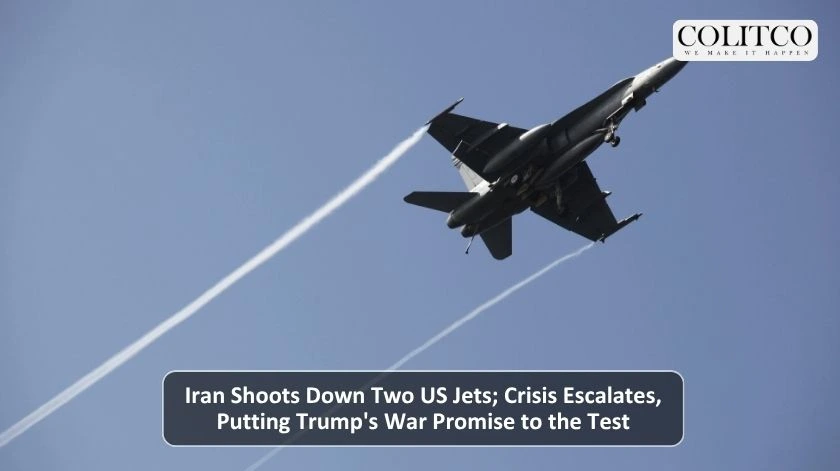
The shooting down of two United States military aircraft by Iran marks a critical turning point for the administration of President Donald Trump. This event presents a strategic quagmire that forces the United States to choose between deeper military involvement or a decisive exit from the conflict.
The situation now focuses the attention of President Trump on his goal to conclude the war. Recent developments contradict previous assessments of the conflict’s progression and the capability of the opposition.
Incident Report: Aircraft Destruction
Iran used missile systems to down two United States military aircraft during active operations. The losses include one F-15E fighter jet and one ground attack aircraft.
Search and rescue teams recovered the pilot from the ground attack plane and one member of the F-15E crew. One pilot remains missing after parachuting into the Khuzestan province in south-west Iran.
The Iranian government issued public broadcasts offering rewards for the capture of the missing personnel. This development complicates the military mission and increases the risk of a hostage situation.
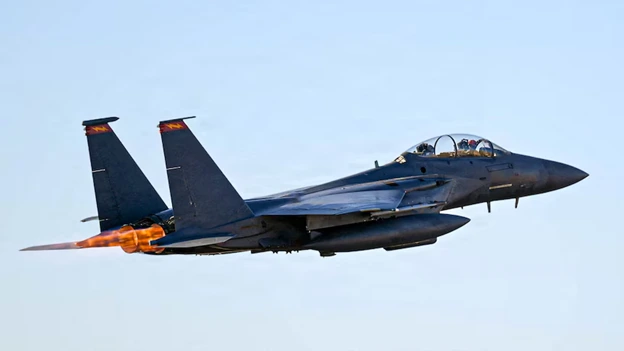
Figure 1: F-15E fighter jet [US Air Force via Reuters, file]
Global Consequences and Energy Inflation
The conflict directly impacts global oil supplies and international energy security. Iran maintains a blockade of the Strait of Hormuz, which restricts the flow of crude oil to global markets.
This disruption causes a significant increase in petrol prices for consumers worldwide. The economic pressure arrives as the United States approaches pivotal midterm elections this November.
The loss of sophisticated hardware like the F-15E challenges the perception of total air control. This event shifts public focus from a distant military campaign to the safety of American service members.
- Global petrol prices remain at record highs due to the Strait of Hormuz closure.
- The status of missing personnel drives domestic political discourse.
- Market volatility affects retirement funds and international trade sectors.
Entities and Leaders in the Conflict
President Donald Trump and Defense Secretary Pete Hegseth lead the United States’ military and political response. They previously assured the public that the United States established control over Iranian airspace.
The Islamic Revolutionary Guard Corps (IRGC) manages the Iranian military operations and the defence of key infrastructure. This group also oversees the state media channels broadcasting capture rewards.
The United States military, specifically special operations extraction teams, prepares for potential rescue missions. International allies in the Gulf region remain involved as Iran continues to target regional neighbours with missile strikes.
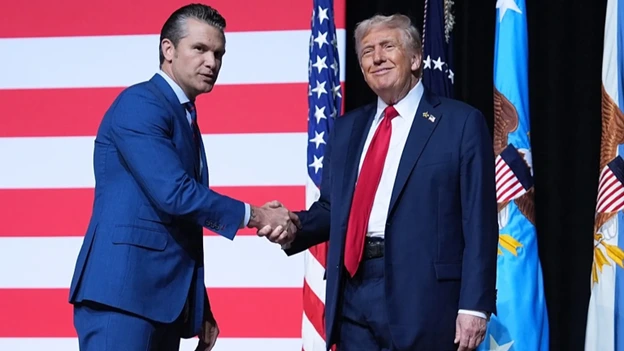
Figure 2: President Donald Trump and Defense Secretary Pete Hegseth [euronews]
Geography of the Combat Zone
The primary aircraft losses occurred over Iranian territory and the surrounding Gulf region. One pilot landed in the remote Khuzestan province, located in the south-west of Iran.
Strategic tension centres on the Strait of Hormuz, a narrow waterway essential for global oil transit. Iran maintains its presence in this area to enforce the ongoing maritime blockade.
Military planners focus on Kharg Island, the primary processing hub for Iranian energy exports. Additional interest concerns a facility near Isfahan where Iran allegedly stores partially enriched uranium.
Progression of Hostilities
These events occurred during a period when the Trump administration claimed the United States had already won the war. The downing of the aircraft follows a prime-time address where the President described the opposition as “decimated”.
The timing coincides with the lead-up to the November midterm elections. The administration faces pressure to resolve the conflict before voters head to the polls.
The search for the missing pilot continues as a matter of urgency. Iranian state media started broadcasting messages regarding the pilot immediately after the crash.
Also Read: Australians Set to Pay A$178.9 Million in Public Holiday Surcharges This April
How It Will Play Out
The United States now faces a decision regarding the deployment of Marines to Kharg Island. Taking control of this hub would eliminate the primary revenue source for the IRGC.
Engineers estimate that Kharg Island processes 90 per cent of all Iranian oil. A ground operation here would likely involve heavy resistance from IRGC forces using local knowledge and explosives.
United States special operations teams may also attempt to seize enriched uranium near Isfahan. This mission carries high risks of escalation and physical casualties for the ground forces.
- Special operations teams require significant support units for extraction missions.
- Ground invasions of energy hubs increase the likelihood of a long-term occupation.
- Success depends on accurate human and electronic intelligence within Iranian borders.
The fate of the missing pilot remains the most immediate concern for the American public. A hostage scenario would remove control of the situation from the United States military.
If intelligence locates the pilot, the President will likely order an extraction team into enemy territory. This action follows the military ethos of leaving no soldier behind enemy lines.
Every available option at this junction deepens the involvement of the United States in the region. This progression matches the classic definition of a military quagmire.
The IRGC maintains defensive positions around critical infrastructure and the reported uranium sites. They have used the duration of the conflict to plant hidden explosive devices.
President Trump promised to avoid “forever wars” during his time in office. This current crisis represents a moment of truth for that policy and his presidency.
The administration must now weigh the costs of a rescue mission against the risks of a broader ground war. Public expectation for the safe return of the pilot remains a primary driver for military action.
Increased special operations activity will likely lead to further confrontations on the ground. These skirmishes transform the nature of the conflict from an air campaign to a territorial struggle.
Economic analysts predict that petrol prices will not stabilise until the Strait of Hormuz reopens. The United States navy continues to evaluate options for breaking the Iranian blockade.
The IRGC continues to show significant capability despite the heavy bombardment of its navy and air force. The shooting down of a sophisticated jet proves that Iranian air defences remain active.
This war now reaches a point where it could become “Trump’s war in Iran”. The choices made in the coming days will determine the duration and scale of the United States’ commitment.
Disclaimer:This article is for informational purposes only. Colitco does not provide financial or geopolitical advice. Readers should rely on multiple credible sources for decision-making.
Sources
- https://www.euronews.com/2025/09/30/trump-and-hegseth-declare-end-of-politically-correct-leadership-in-us-military
- https://www.aljazeera.com/news/liveblog/2026/4/3/iran-war-live-trump-warns-assault-on-infrastructure-hasnt-even-started