

The first step in learning to analyse mutual fund commentary would be to recognise repeated patterns. The latest update of funds indicates that the managers are flocking to similar Australian equities.
The insights are based on a number of top-performing funds that are being followed by Livewire Markets.
The analysis was done on the outcome over the last six months, a turbulent yet eye-opening time. Managers preferred smaller companies with operating momentum, as opposed to large caps. Performance tables were dominated by small and micro-cap exposure.
That focus indicates the place of professional conviction nowadays. Repeated mentions should be paid attention to by the investors reading the commentary as opposed to isolated tips. The areas with the strongest capital flows are pointed out in many cases.
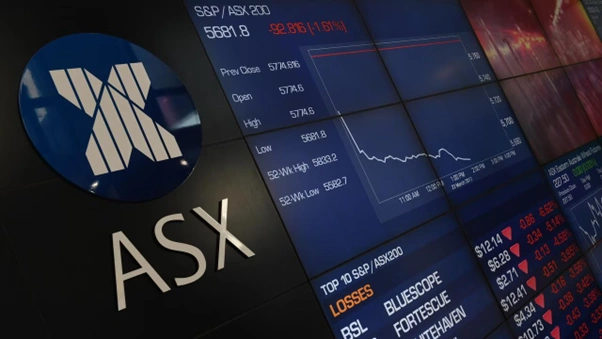
Commentary on funds specifies where professional money is pooling in the ASX. [The Australian]
Why Are Small Caps Driving Outperformance?
The majority of high-performing managers are working in the smaller market. This segment has been doing better than the ASX 20 mega-cap stocks in recent times.
Smaller stocks are more susceptible to commodity cycles and earnings upgrades. Sharper growth and valuation gaps are repeatedly characterised as such in fund commentaries.
These characteristics contribute to increased alpha production. Size bias is the thing to look for when you get to know how to read fund commentary.
It puts in perspective all the other decisions made by the managers. Small positioning can also be an early step before a wider market acceptance. Such an advantage in timing causes returns.
Which Resource Stocks Dominate Monthly Fund Commentary Explained?
The most common names that occur in portfolio notes are gold names. Manufacturers and innovators who have enhanced operations shine through. Genesis Minerals, Bellevue Gold and Capricorn Metals are the companies that can be observed in several reports.
Ramping production, higher grades and healthier balance sheets are some of the things that managers mention. It is about the acceleration of earnings, and not mere bullion exposure. Uranium also plays a strong role in it. Energy security plays are NexGen Energy and Paladin Energy.
These stocks are in line with the increasing demand for electricity and supply restraints. The identification of such repetition assists investors in understanding monthly fund commentary in terms of actual application.

Gold and uranium projects are commonly seen in professional fund reports. [The Assay Magazine]
Are Industrial And Energy Themes Shaping Decisions?
Capital is being commented to have moved into real-economy enablers. There are mining services, infrastructure and communications groups. The typical examples are Codan and Monadelphocus.
Such companies are bringing in cash now as opposed to growth in the future. Another structural tailwind is energy security. Managers relate uranium supply gaps to the demand for data centres and AI.
These connections prove that the macro views influence the choice of stocks. These explanations are an eye-opener on how managers can think beyond quarterly numbers.
Which Financial Platforms And Growth Stocks Stand Out?
The exposure to finances is skewed towards platforms rather than big banks. Generation Development Group, HUB24 and EQT Holdings are frequently found.
These companies enjoy the savings, circulation and growth of retirement. According to managers, they are like toll roads on wealth creation.
There is also later the AI sell-off, then Select technology re-emerges. Valuations reset and become opportunities for investors. The message is not speculative but selective.

Financial exposure favours platforms over banks; GDG, HUB24, EQT dominate.
How To Analyse Mutual Fund Commentary For Clearer Investing Decisions
Commentary should be taken as strategic, not marketing, by the investors. Begin with the identification of similar stocks and industries. Then, read these reasons for each holding.
Search for words such as production growth, balance-sheet strength or structural demand. Such hints explain the degree of conviction. Multiple funds are better than a single one being cross-checked.
The thesis can be heavy when several managers are brought together. This process simplifies fund commentary and renders it more action-oriented. Learning to analyse mutual fund commentary creates a sense of discipline and minimises emotional trading.
Also Read: 5 Must-Know Risk Management Techniques for Gold Traders [2026 Updated]
FAQs
Q1. What is mutual fund commentary?
A1: It is a manager’s written explanation of holdings, outlook and portfolio strategy.
Q2. How often is commentary released?
A2: Most funds publish monthly or quarterly updates for investors.
Q3. Why do the same stocks appear repeatedly?
A3: Repeated mentions usually signal shared conviction and strong fundamentals.
Q4. How can beginners use commentary effectively?
A4: Track themes, compare funds and focus on reasons behind each investment.