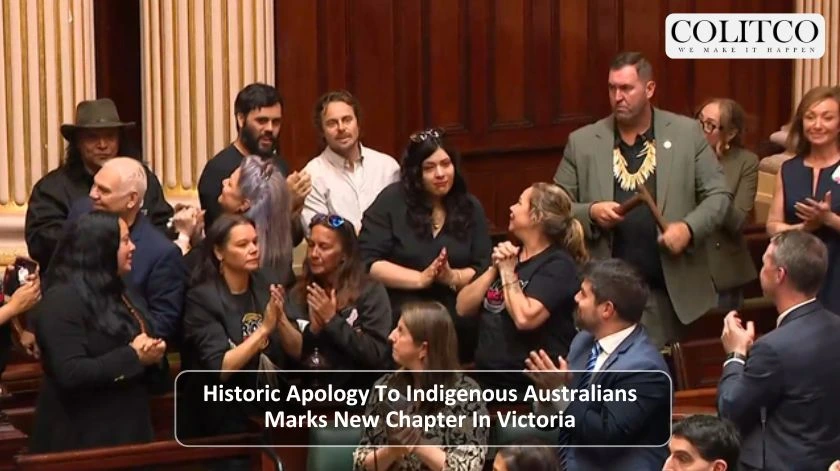
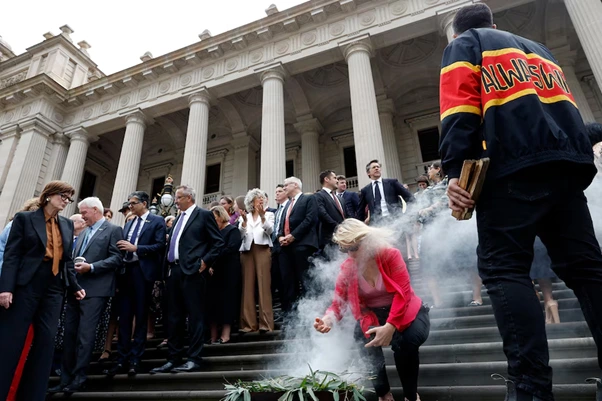
The Victorian government issued a historic apology to Aboriginal Victorians after the enactment of the first statewide treaty in the country.
The apology made clear the enormity of the harm inflicted through colonisation and the state policies that lasted for centuries and created inequality and trauma. It is a present-day confession that these injustices are not things of the past but are very much alive and harmful to the communities.
The apology is a heavy step in the direction of reconciliation, and at the same time, it is a promise of a new era of relationship building. This event marks a conscious move into the territory of healing, reparation, and shared responsibility.
Victorian government issues historic apology to Aboriginal Victorians after treaty.
What Led To The Apology?
The apology was preceded by the Yoorrook Justice Commission, which thoroughly went through the truth-telling process and reported the major injustices faced by the Aboriginal Victorians.
The Commission listened to the stories of taking away land, forced child removal, language extinction, and systemic discrimination in various institutions. These results gave a clear picture of the extent of harm inflicted and the necessity for official acknowledgement and reforms to be put in place.
The Statewide Treaty Act 2025 legalised the addressing of these matters and set up a structured way for the government to be accountable. The apology recognises this documentation and takes its cue from the Commission’s robust recommendations.
What Did The Government Acknowledge?
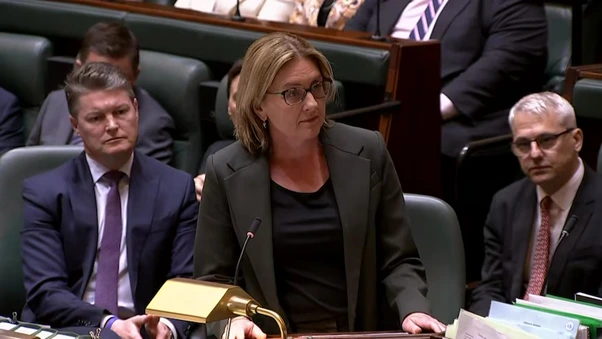
In the parliamentary speech, the government took upon itself the responsibility for actions and decisions that took away the land, culture, and rights of the Aboriginal people. It admitted that the colonisation in the region of Victoria was fast and furious, and never accidental or gentle, and that these actions have always been a source of long-lasting damage to families, communities, and cultural identity.
The apology acknowledged that there were government policies that led to displacement, loss of languages, and forced removal of children. It also confessed that those harms had been created through judicial and administrative means. This acknowledgement is intended to restore trust through transparency.
The government admits rapid colonisation caused lasting harm to Aboriginal land and culture.
Who Supported And Who Opposed It?
The apology was welcomed by the government MPs and by the other members who considered the act as necessary for reconciliation and justice. Yet, the opposition party of the state refrained from giving their support, saying that their concerns were about the wider treaty process rather than the apology itself.
A few members of the opposition expressed their regret for the past harm but criticised certain mechanisms of the treaty. Their position brought to light the continuing political controversy about how reconciliation should be achieved. Nonetheless, the motion was passed, signalling strong support for a new strategy. The occasion still marked a remarkable change in the political landscape of Victoria.
What Does The Treaty Involve?
The state treaty enacts the First Peoples’ Assembly of Victoria as the permanent representative body for the Aboriginal community. Moreover, it sets forth Gellung Warl, a novel mechanism that is aimed at truth-telling, accountability and cultural authority support.
These entities position the Indigenous community with the direct power to shape the laws and make decisions that affect them. The purpose of the treaty is to amend historical power disparities and to promote cultural preservation.
It establishes one another’s rights through systems of justice, consultation, and true partnership. The actuators of this paradigm will be long-term reforms that recognise, provide independence, and provide community leadership at their core.
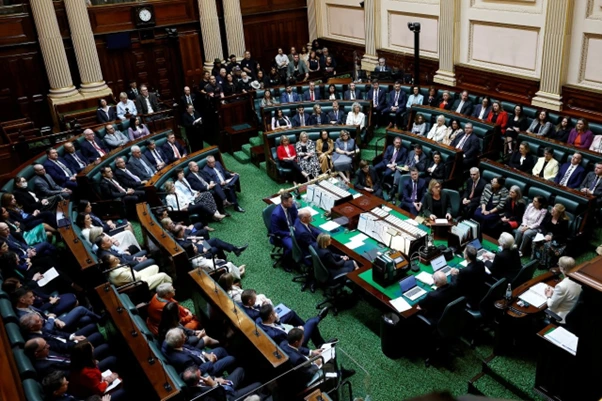
Treaty creates a permanent Assembly and a Gellung Warl for Aboriginal representation.
Why This Matters For Reconciliation
The historic recognition of the wrongful treatment of Indigenous people starts to work with the treaty, creating a new path to justice. It offers acknowledgement of the damage caused as well as a commitment to and non-destructive change rather than just symbolic actions.
It creates a common ground for healing through honesty, structural reforms, and real engagement. The apology admits that reconciliation is a never-ending process that demands its turn over many years.
It fosters the development of government-Native relationships to be more and more based on respect and understanding. The moment comes as a point where change renews itself, trying to get through the shared responsibility and progress.
Also Read: Powering the Future: Victorian Government’s Ambitious Investment in Battery Farm
FAQs
Q: What is the “Historic apology to Indigenous Australians”?
A: It is the formal apology issued by the Victoria Government that recognises the suffering inflicted on Aboriginal Victorians by the colonies and policies of the state.
Q: What caused the apology?
A: The findings of the Yoorrook Justice Commission and the Statewide Treaty Act 2025 were the main factors that triggered the apology and determined its course.
Q: What will the treaty bring about?
A: Upon the treaty’s effectuation, there will be the First Peoples’ Assembly of Victoria and the Gellung Warl body as the stronghold of an even more powerful Aboriginal voice and authority.
Q: Can the apology alone do the trick?
A: Certainly not! Genuine healing will take more than just an apology; it will necessitate continuous reforms, powerful alliances, and justice and equality as a long-term commitment.