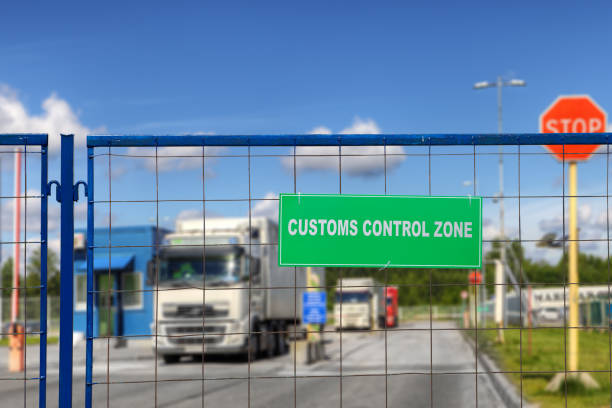
After almost four years of negotiations, the European Union, the United Kingdom, Spain and the Government of Gibraltar have finally agreed on the broad framework of a treaty that will shape Gibraltar’s future relationship with the EU after Brexit.

Gibraltar and Spain’s border area is set to change under the new post-Brexit agreement
The political understanding reached in June 2025 has now moved into its final stage, with lawyers in Brussels and London reviewing the legal text before it is signed and ratified. While the full document has not yet been published, the core elements of the deal are now clear, and they point to one of the biggest changes in Gibraltar’s status in decades.
A long road after Brexit
When the UK left the European Union, Gibraltar left with it. Unlike many other British territories, Gibraltar’s economy and daily life are closely tied to the EU, particularly to neighbouring Spain.
Every day, thousands of workers cross the border between Gibraltar and the Spanish town of La Línea de la Concepción. Brexit raised fears that border checks could return, disrupting jobs, trade and movement in a region that already faces economic pressure.
The new agreement is designed to remove that uncertainty by creating a special post Brexit framework for Gibraltar, separate from the wider UK-EU trade deal.
The border fence is set to disappear
One of the most significant changes under the agreement is the planned removal of the fence at the Gibraltar-Spain border.

The aim is to allow people and goods to move freely between Gibraltar and southern Spain, reducing long queues and supporting economic activity across the region. For residents and businesses on both sides of the border, this could dramatically change daily life.
To make this possible while still protecting EU borders, Gibraltar will be linked to the Schengen system.
How travel rules will work
Under the new framework, Gibraltar will be treated as part of the Schengen area for travel purposes, even though it will not formally join Schengen.
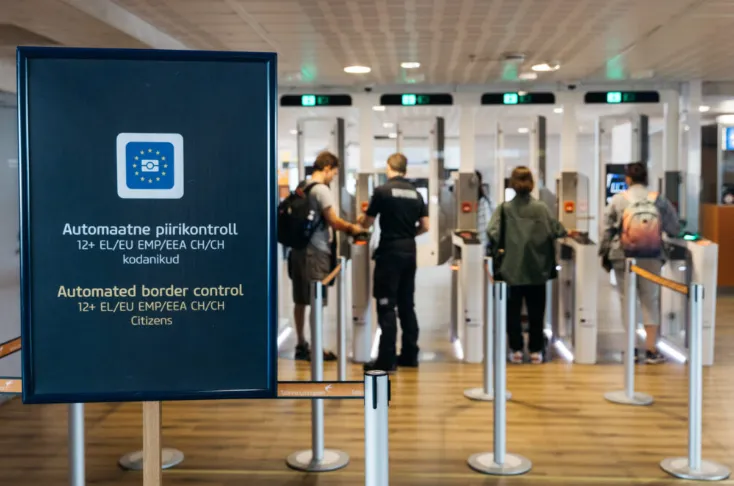
Gibraltar will be linked to Schengen, with border checks coordinated at ports and airports
Border checks will move to Gibraltar’s airport and port. Spanish authorities will carry out Schengen checks there, working alongside Gibraltar officials. This approach removes the need for routine checks at the land border while keeping the EU’s external border controls in place.
Taxes and customs changes
The agreement also tackles long-standing concerns about tax and trade differences between Gibraltar and the EU.
Gibraltar is expected to align parts of its tax system with European standards, including indirect taxes similar to VAT. The intention is to prevent trade distortions and protect the EU single market and customs union.
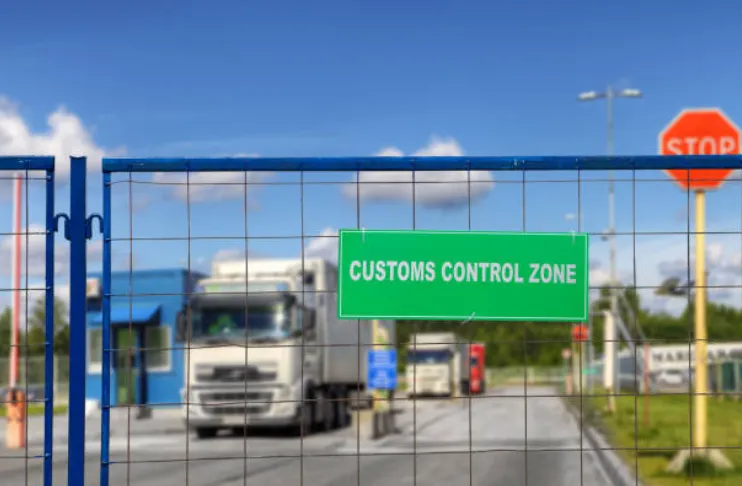
Customs cooperation and information sharing will also be strengthened, particularly for goods entering Gibraltar through Spain.
Ratification still lies ahead
Despite the political breakthrough, the treaty is not yet law.
Once the legal review is complete, the text will be translated into all official EU languages before being submitted to the EU Council and the European Parliament.
In the UK, the process starts in Gibraltar, where the local parliament must formally request ratification. The agreement will then go to Westminster, where MPs will have a 21-day scrutiny period. The House of Commons can block ratification through a formal vote, while the House of Lords can issue a non-binding opinion.
Local reaction is mixed with caution
In southern Spain, the response has been hopeful but careful.
Leaders in La Línea see the agreement as a chance to tackle long-standing economic challenges in the area. In Algeciras, however, concerns remain about the lack of detail, particularly around jobs, port activity, customs checks and the daily movement of workers.
Both the UK and Gibraltar governments have said the final text will be published before any vote takes place.
Gibraltar’s financial sector in the spotlight
The agreement comes at a time when Gibraltar is also working to strengthen confidence in its role as an international financial centre.
Its 2025 National Risk Assessment highlights progress in tackling money laundering, terrorist financing and sanctions risks, following Gibraltar’s removal from the FATF grey list in 2024. The territory is now preparing for another international assessment in 2027.
The report notes that the new Gibraltar EU treaty could bring further changes in border controls, data sharing and law enforcement cooperation, all of which may affect financial regulation and compliance.
Digital finance and insurance growth
Over the past two decades, Gibraltar’s financial sector has shifted from traditional services toward digital industries such as online gaming, e-money and virtual assets.
Gibraltar was one of the first jurisdictions to regulate distributed ledger technology in 2018 and later introduced a virtual asset service provider regime. Regulated firms now hold billions of pounds in client assets under supervision.
The territory also remains a major hub for remote gambling and insurance. A significant share of UK motor insurance policies is underwritten from Gibraltar, making the sector a key pillar of the local economy.
Also Read: Why metallurgical coal is holding up Australia’s coal trade
What happens next
The agreement does not change questions of sovereignty. Gibraltar remains under British control. What it does change is how the territory operates day to day with Europe.
If ratified, the treaty would finally replace temporary post Brexit arrangements with a long term framework built around movement, cooperation and economic stability.
For Gibraltar and the surrounding Spanish region, the next few months will determine how quickly political promises turn into practical reality.
FAQs
- What is the Gibraltar post-Brexit agreement?
It is a political agreement reached in June 2025 between the European Union, the United Kingdom, Spain, and Gibraltar. It sets the framework for Gibraltar’s border, trade, and cooperation with the EU after Brexit, clarifying how the territory will operate in practice.
- Why was the agreement needed?
Gibraltar was not fully covered by the UK-EU Brexit deal, leaving its border, trade, and travel arrangements uncertain. Without this agreement, daily crossings, trade, and regional economic activity could have faced serious disruption.
- What happens to the land border with Spain?
The agreement removes routine border checks between Gibraltar and the Spanish town of La Línea de la Concepción. People and goods can move freely across the land border, improving daily life for residents and workers.
- Will Gibraltar join Schengen?
Gibraltar will be linked to the Schengen system for travel purposes. This allows free movement across the land border while Schengen checks are conducted at Gibraltar’s airport and port.
- Who will check passports and entry?
At the airport and port, Gibraltar authorities will enforce entry rules for the territory while Spanish or EU authorities conduct Schengen checks. The land border itself will not have routine passport controls.
- Are goods still checked when entering Gibraltar?
Goods entering Gibraltar through Spain will go through Spanish customs checks to protect the EU single market while ensuring smooth trade.
- Does the agreement affect Gibraltar’s sovereignty?
No. The agreement does not change British sovereignty over Gibraltar or its internal governance.
- How will taxes and economic rules change?
Gibraltar will gradually align certain indirect taxes, such as implementing a tax similar to VAT, to prevent trade imbalances and harmonise economic conditions with the EU.
- Will people need visas to live and work?
The free movement arrangements allow daily crossings but do not automatically grant the right to live or work permanently in Gibraltar or Spain. Residency and work permits remain necessary under national laws.
- What is the next step before the agreement takes effect?
The treaty text is undergoing legal review and must be translated and ratified by the EU Council, European Parliament, Gibraltar Parliament, and the UK Parliament. It will become fully effective only after completing this process.