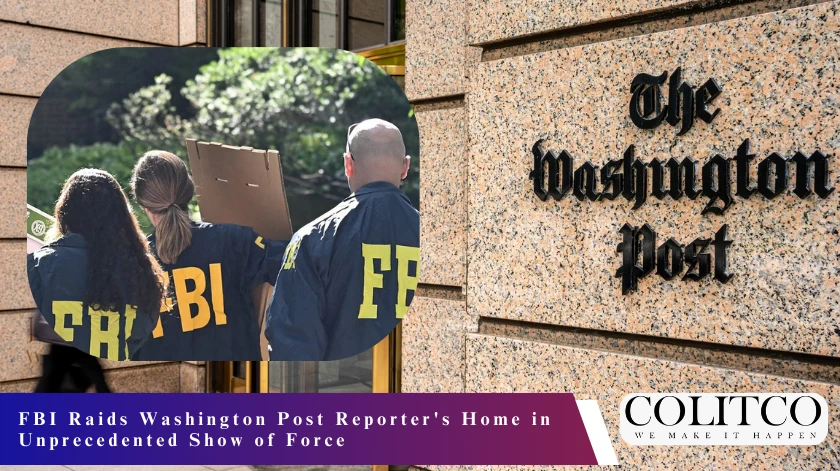
Federal agents descended on the Virginia home of Washington Post reporter Hannah Natanson on Wednesday morning, 14th January 2026, in what press freedom advocates are calling a highly unusual and aggressive breach of journalistic independence.
The FBI raid Washington Post’s reporter sparked immediate concern across media organisations and civil liberties groups. Natanson was at her residence when agents arrived with a search warrant and seized her mobile phone and Garmin watch.
The move marks a dramatic escalation in the Trump administration’s crackdown on government leaks. Natanson has become known among colleagues as the “federal government whisperer” for her extensive source network within the federal workforce.
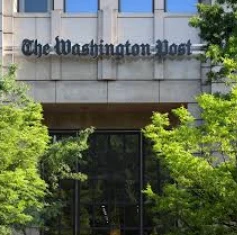
The FBI executed a search warrant at Hannah Natanson’s Virginia home as part of a classified documents investigation [Source: Washington Post]
Search Warrant Targets Reporter’s Sources
According to the FBI affidavit, the raid connects to an investigation into Aurelio Perez-Lugones, a Maryland-based systems administrator. Authorities accuse Perez-Lugones of illegally retaining classified intelligence reports.
FBI agents allegedly discovered classified documents in unusual locations:
- Inside Perez-Lugones’ lunchbox
- Hidden in his basement
- Removed from secure government facilities
Natanson was told she is not a target of the investigation. This suggests federal authorities are pursuing her confidential sources rather than the journalist herself.
The Washington Post confirmed agents searched Natanson’s home and electronic devices. A Post spokesperson said the publication is “reviewing and monitoring the situation.”
Reporter’s Coverage Drew Government Attention
Hannah Natanson covers the Trump administration’s transformation of the federal government. Her beat includes documenting mass firings, policy overhauls, and agency restructuring under President Donald Trump’s second term.
Last month, she published a revealing first-person account describing the relentless pace of her reporting. The piece detailed how hundreds of federal workers contacted her with tips about workplace upheaval.
“You’ve got to stop,” her fiancé pleaded at 11:30pm, according to the article. “Stop answering them.”
The timing of the FBI raid raises questions about whether Natanson’s high-profile coverage made her a target. She has been part of the Post’s most sensitive reporting on the second Trump administration.
Extraordinary Step Alarms Press Freedom Advocates
Searching a journalist’s home represents an extraordinary measure that even past administrations avoided. Previous leak investigations stopped short of raiding reporters’ residences, according to media law experts.
Press freedom organisations immediately condemned the FBI’s actions. The move signals what many view as a dangerous precedent for investigative journalism in Australia’s closest ally.
Bruce Brown, president of the Reporters Committee for Freedom of the Press, emphasised that source protection enables consequential journalism. “Some of the nation’s most important reporting is possible because reporters have been able to protect confidential sources,” he stated.
Similar tensions around press freedom have emerged in other democratic nations, as governments worldwide grapple with balancing national security and transparency. Recent political developments in Washington have heightened scrutiny of government accountability measures.
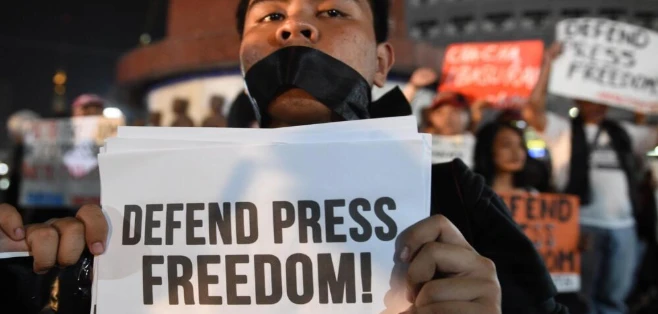
Press freedom advocates warn the raid could chill investigative journalism and whistleblowing [RFI]
DOJ Policy Shift Enables Aggressive Tactics
Attorney General Pam Bondi rescinded Biden-era protections for journalists in April 2025. The previous policy sharply restricted the Justice Department’s ability to seize reporters’ records or compel testimony in leak investigations.
Bondi’s memo decried leaks that “undermine President Trump’s policies” and called them “illegal and wrong.” She argued the policy change was necessary to protect classified information.
The new rules permit:
- Subpoenas for journalists’ phone records
- Court orders to obtain communications
- Search warrants for reporters’ materials
- Compelling journalists to testify
During Trump’s first term, prosecutors secretly obtained phone records from journalists at CNN, The New York Times, and The Washington Post. Then-Attorney General Merrick Garland implemented safeguards in 2022 to prevent such actions.
Bondi has now reversed those protections, returning to more aggressive leak investigation tactics.
Investigation Targets Government Contractor
Aurelio Perez-Lugones faces charges of illegally retaining classified documents. The systems administrator holds a top-secret security clearance and worked for an undisclosed government contractor.
Prosecutors allege Perez-Lugones accessed and removed classified intelligence reports from secure facilities. The discovery of classified materials in everyday items like his lunchbox suggests deliberate mishandling.
Federal authorities charged Perez-Lugones earlier this month. The raid on Natanson’s home appears designed to uncover any communication between the reporter and the accused leaker.
Implications for Investigative Journalism
The FBI raid Hannah Natanson experienced represents what many journalists fear most about the current climate. Reporters rely on confidential sources to uncover government wrongdoing, corruption, and mismanagement.
Without source protection, whistleblowers face criminal prosecution for sharing information with the press. This dynamic can effectively silence government accountability reporting.
Seth Stern, advocacy director for the Freedom of the Press Foundation, said every prediction about a second Trump administration targeting journalists has materialised. He criticised lawmakers who failed to pass the PRESS Act, which would have codified source protections into federal law.
The Society of Professional Journalists and more than 20 press freedom groups called on Congress to drop subpoenas targeting investigative journalists. They warn of government overreach designed to intimidate reporters.
Global Context and Australian Concerns
The incident resonates beyond America’s borders. Australia maintains close intelligence-sharing relationships with the United States through alliances like AUKUS, making American press freedom standards relevant to Australian interests.
Australian journalists and media organisations watch developments in Washington closely. Similar pressures on press freedom have emerged in various democracies facing tensions between national security imperatives and public accountability.
The Washington Post building stands as a symbol of investigative journalism’s role in democratic society. Yet the FBI raid demonstrates how quickly those traditions can face pressure from determined government officials.
Also Read: 2026 Rankings Reveal Winners and Losers in Global Travel Freedom
What Happens Next
The investigation into Perez-Lugones continues, with Natanson potentially facing further scrutiny. The reporter must now navigate a legal landscape where her journalistic work intersects with federal law enforcement priorities.
Whether prosecutors will attempt to compel Natanson’s testimony remains unclear. The Justice Department has not commented publicly on the raid or its broader implications.
For journalists covering sensitive government operations, the message appears unmistakable. Source protection no longer carries the same legal safeguards it did during the Biden administration.
The raid serves as a stark reminder that investigative journalism operates in an increasingly precarious environment. Press freedom advocates continue sounding alarms about government tactics they view as designed to intimidate reporters and silence whistleblowers.