
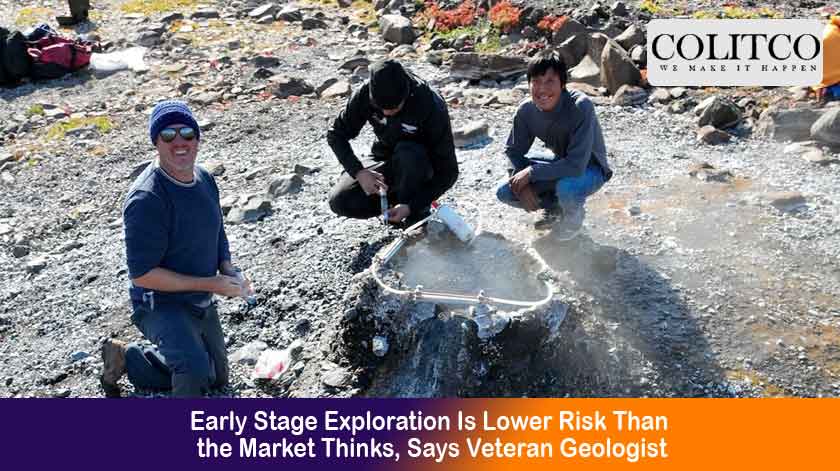
One of Australia’s most experienced geologists is pushing back against a deeply held market belief. Steve Beresford, who has led geology programs at BHP (ASX: BHP), IGO (ASX: IGO), First Quantum, and MMG, says early-stage exploration has been mislabelled as high risk, and that this perception is actively blocking capital from flowing to new discoveries.
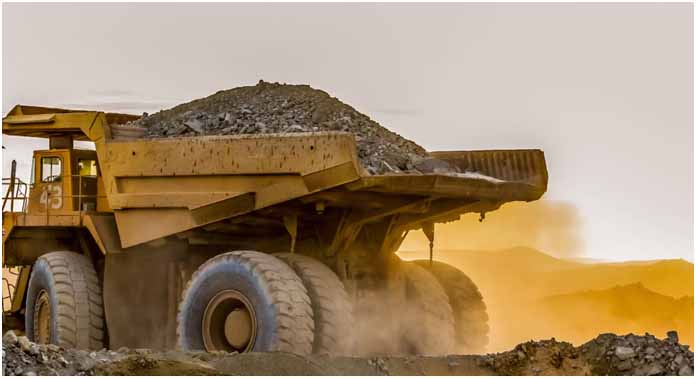
Figure 1: Large-scale mining haul truck transporting extracted material at an active site [Courtesy: Freepik]
Beresford is now pursuing a major copper discovery with Kazakhstan-focused Altai Resources, and is using his platform to challenge conventional thinking around the critical minerals supply chain and where exploration risk truly sits.
The Case for Rethinking Early Stage Exploration
The market has long treated early-stage exploration as speculative and capital-intensive. But Beresford argues this framing is doing the industry a disservice, particularly at a time when new discoveries are urgently needed.
Why the Market Has It Wrong?
Speaking at a WA Mining Club panel chaired by S2 Resources (ASX: S2R) chairman and Nova nickel mine founder Mark Bennett, Beresford made a pointed argument. He stated:
“I think early-stage exploration is as low-risk as exploration gets. It’s as low as risk as anything in the mining journey. I’m not sure when anybody came up with that it was high risk — it’s low risk, and we only add risk during the exploration process.”
Beresford said this belief system is making it difficult to raise money for the right kind of projects. Reframing that narrative is central to attracting capital toward generative greenfields work.
The Funding Gap It Creates
Beresford acknowledged that money is available in the market, but it is not always directed toward the right opportunities. Investors and institutions are backing later-stage projects where risk is arguably higher, and discovery upside is lower. He said:
“It’s easy to get money, but often for the wrong kind of project or the wrong part of the cycle.”
Flow-through share schemes in Canada have proven effective at incentivising investors to back early-stage explorers. Beresford believes similar structural incentives, combined with a shift in market perception, could unlock significant capital for sustainable mining technology and exploration activity in Western Australia.
Market Conditions Add Complexity but Not a Deal Breaker
The broader environment presents real challenges for explorers in 2026. The war in Iran has sent shockwaves through markets, and the closure of the Strait of Hormuz has triggered a fuel crisis that is adding cost pressures across the sector.
Funded Programs Will Continue Despite Cost Pressures
Despite the macro headwinds, the evidence suggests exploration activity in Australia is not grinding to a halt. A note from RBC Capital Markets analyst Nicholas Daish, focused on laboratory provider ALS (ASX: ALQ), indicated that drilling costs may rise as drillers work harder to secure diesel supply.
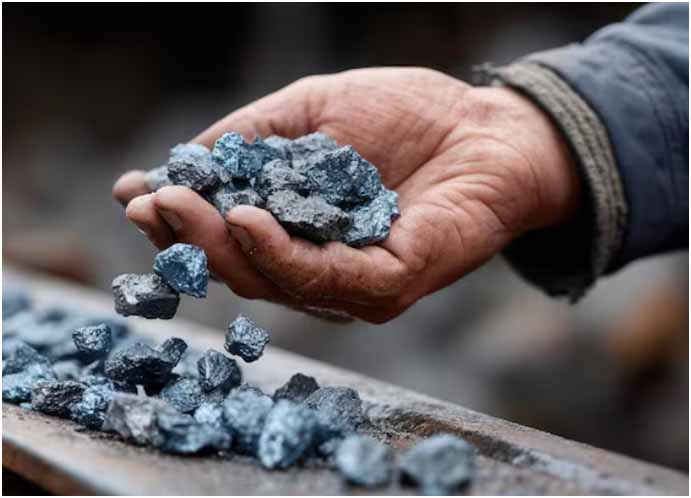
Figure 2: Raw mineral samples highlighting the physical output of early-stage exploration activity [Courtesy: Freepik]
Some exploration companies have already been notified of diesel levies being applied directly to their programs. However, Daish noted that already-funded drill programs are expected to proceed.
He stated that equity capital raised by junior and intermediate exploration companies more than doubled in 2025, reaching A$21.4 billion, a 109% increase on 2024 and a reversal of a three-year downward trend. This capital base provides a meaningful buffer for companies already in the field.
Cash Reserves at Record Levels
According to BDO, ASX-listed juniors were sitting on a record A$12 billion in cash as at 31 Dec 2025. This positions a significant number of companies to continue drilling through near-term market volatility.
Daish added that unfunded projects will face difficulty raising money in the current environment, but framed this as a timing issue rather than a fundamental one, linked directly to the duration of the Middle East conflict.
Australia’s Discovery Potential Remains Intact
Beyond the immediate market noise, geologists and exploration executives remain firmly convinced that Australia has major discoveries yet to be made. The critical minerals supply chain globally depends on new supply being identified and developed, and Western Australia, in particular, continues to demonstrate its geological potential.
A Titanium Discovery That Stopped the Industry in Its Tracks
Impact Minerals (ASX: IPT) managing director Mike Jones pointed to a recent titanium discovery in Western Australia as evidence of what remains possible. London-listed Empire Metals identified a 113 million metric ton titanium deposit at Three Springs in WA, described as approximately ten times larger than the world’s total global titanium resource prior to its discovery.
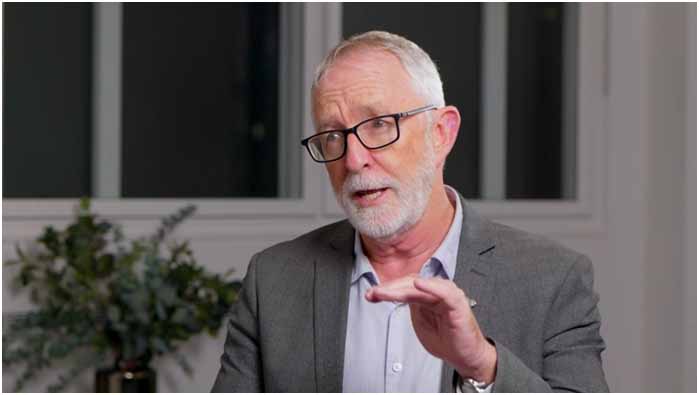
Figure 3: Impact Minerals Managing Director Mike Jones discussing recent exploration discoveries in Western Australia [Courtesy: Mining.com]
“It’s enormous, and it’s like everyone’s worked there, everyone’s driven over it, everyone’s done all those things, and it was just sitting there in plain sight.”
The discovery underscores the argument that modern exploration tools are still capable of revealing what decades of conventional exploration have overlooked. The question is whether the industry and its investors have the conviction to look for them.
Quality of Orebody Solves Everything
Beresford’s closing argument cuts through the regulatory and market complexity that often discourages early-stage investment. He argued that high-quality orebodies are capable of overcoming environmental, heritage, and regulatory constraints. He stated:
“The best way to solve them is quality of orebodies. You solve everything. We can have our cake and eat it too if we just go back to focusing on quality.”
This philosophy applies directly to sustainable mining technology in 2026. The combination of better geological targeting, AI mineral exploration software, and experienced technical leadership is changing what is achievable in greenfields exploration.
Industry Outlook
As demand for copper, lithium, titanium, and other essential metals accelerates. Western Australia remains one of the world’s most prospective jurisdictions for new discoveries, supported by established infrastructure, a skilled workforce, and a well-regulated operating environment.
The application of AI mineral exploration software is increasingly influencing how early-stage targets are identified and prioritised. Companies that combine modern data-driven tools with experienced geological leadership are well-positioned to generate discoveries that feed the critical minerals supply chain over the coming decade.
Future Direction and Impact on the Exploration Sector and Investors
The conversation Steve Beresford is having has implications well beyond Altai Resources. If the market recalibrates its understanding of early-stage exploration risk, capital allocation across the ASX mining sector could shift materially.
More funding directed toward generative greenfields work means a greater probability of new world-class discoveries. For investors tracking sustainable mining technology and the evolution of AI mineral ASX exploration software, the current environment, despite its short-term noise, presents a window.
Record cash reserves among ASX juniors, a strong 2025 capital raising year, and a geological community confident in Australia’s remaining prospectivity all point toward a sector with more upside than the market is currently pricing.
Frequently Asked Questions
Q1. Why does Steve Beresford say early-stage exploration is low risk?
Ans. Beresford argues that risk in exploration accumulates progressively as a project advances, not at the earliest stage.
Q2. How does early-stage exploration connect to the critical minerals supply chain?
Ans. New discoveries at the greenfields stage are the starting point for all future critical minerals supply.
Q3. What role does AI mineral exploration software play in modern exploration?
Ans. AI mineral exploration software improves the identification and prioritisation of geological targets.
Q4. How much cash do ASX juniors currently hold?
Ans. According to BDO, ASX-listed junior exploration companies held a record A$12 billion in cash as at 31 Dec 2025.
Q5. What was the titanium discovery mentioned at Three Springs?
Ans. London-listed Empire Metals identified a 113 million metric ton titanium deposit at Three Springs in Western Australia.
Disclaimer
This article is intended for informational purposes only and does not constitute financial or investment advice. All content is based on publicly available reporting and commentary published on 27 Mar 2026. Investing in securities involves risk, including the possible loss of capital. Readers should conduct their own research and seek independent financial advice before making any investment decisions. Colitco does not hold any position in the companies or organisations mentioned.
Sources
https://www.asx.com.au/markets/company/ALQ
https://www.asx.com.au/markets/company/IPT