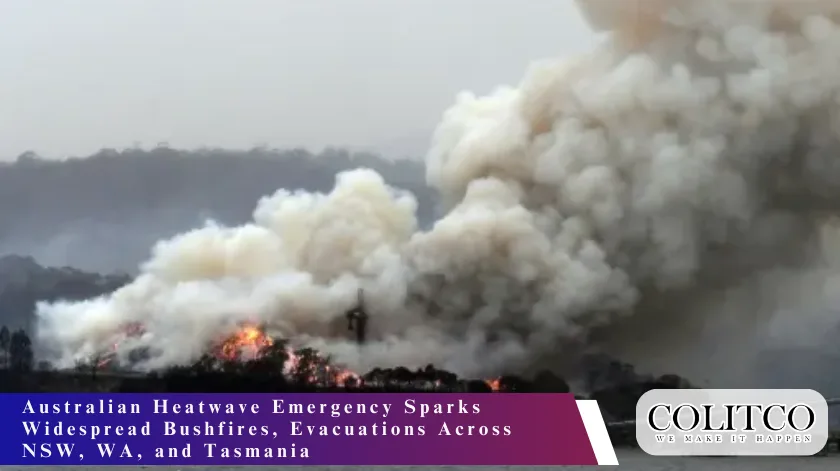
A hot air mass of gigantic proportions has invaded the interior and coastal zones of the continent, resulting in places with temperatures higher than 40 °C. The rapid drying of vegetation has transformed forests and savannas into potential fire-speakers. The strong winds have been the ones to fan the flames, thus making the flames spread quickly over urban and countryside areas.
The officials are already telling us that the mix of extreme heat, gusty winds, and dry earth is going to produce very dangerous fire behavior and so the risk to life, property, and infrastructure is going to grow.
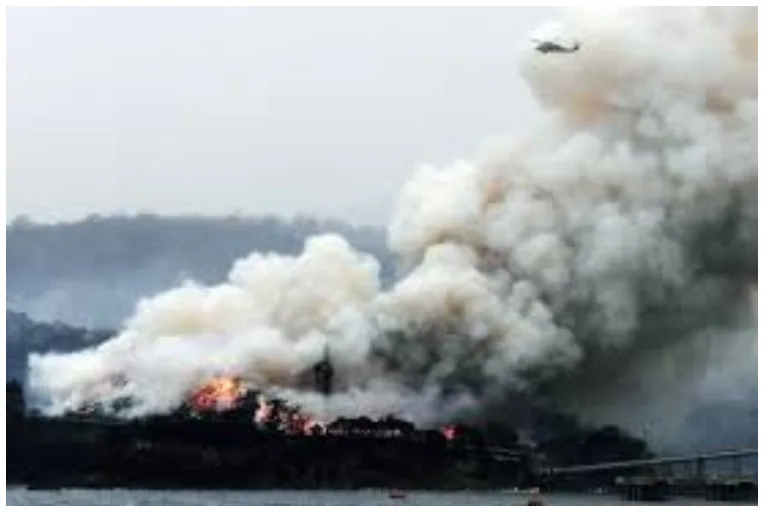
Gigantic hot air sparks fires across Australia rapidly.
Which Areas Face The Worst Fire Threat?
Fire emergency alerts have been issued for the whole of New South Wales, Western Australia, and Tasmania. Quite a few areas are now under “Watch & Act” alerts or complete evacuation orders. The coastal towns and the rural areas close to the woods are the most endangered by the swift-moving fire.
The inhabitants are advised to be vigilant as the fires are nearing the residences, farmlands, and transport lines. The extent of the warnings reflects the seriousness of this heatwave emergency in Australia, which is a nationwide problem.
Fire Damage And Losses Grow Rapidly
In a seaside town, a fire that broke out in the vicinity of Nimbin Road and spread through the bushland ended up destroying more than twelve houses. The fire that started further north near Bulahdelah destroyed four houses, and at the same time, another one burned over 9,000 hectares of the national park.
Families are displaced, and their future remains uncertain as the losses keep growing. The rescue teams are fighting to keep their numbers up as they have to deal with several fire incidents at once under extremely hot and windy conditions.
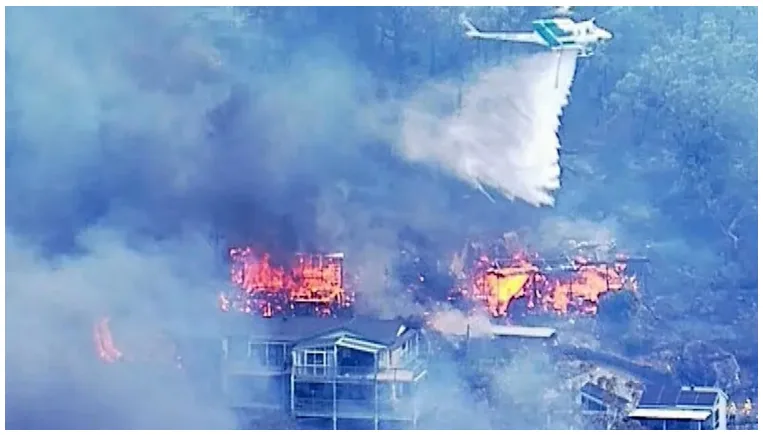
Fires near Nimbin Road and Bulahdelah devastate homes.
Emergency Evacuations Underway
In order to save lives and protect properties, authorities have ordered the immediate evacuation of people living in the high-risk areas. Moreover, the rescue centres have been activated to take care of the families and their animals that have been displaced.
In addition, measures taken to ensure that there are no accidents include closing transport routes such as roads and railways near fire zones. Officials are making it clear that the residents have to keep an eye on the local alerts, give their response promptly, and stay away from travelling that is not necessary. The proper following of these evacuation procedures is the only way to survive through this intense Australian heatwave emergency.
What Should Residents Do To Stay Safe?
Residents should always be and remain vigilant by monitoring fire and weather alerts. Emergency kits, water supplies, and essential medications should be prepared ahead of time.
Evacuation orders should be obeyed at once, and travelling to the nearby areas should be avoided. Closed windows will help to reduce smoke inhalation, and masks should be used if necessary.
Pets, livestock, and members of the family who are vulnerable should receive special attention. In addition, people should drink enough water and stay indoors during exceedingly hot weather.
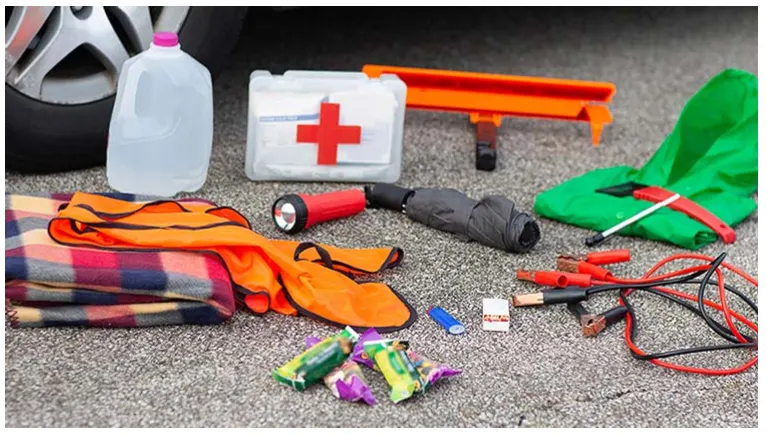 Residents must stay vigilant and prepare emergency supplies.
What Should Bring Relief Soon?
A cool spell expected later in the week may move into the southern regions of New South Wales and Victoria, thereby reducing their temperatures. The predicted onset could temporarily lower fire danger and allow the affected communities breathing space.
However, on the other hand, the experts warn that dry winds might come back soon after, thus keeping the fire risk quite high. Residents will have to keep close watch on the weather conditions and be prepared to evacuate if the situation becomes bad till the weather is completely safe for the long term.
Also read: Weather Volatility Hits Eastern Australia This Week: Key Factors Explained
Frequently Asked Questions
Q: What caused the heatwave now hitting Australia?
A: Hot air flows from the interior, along with the continuous dryness and low precipitation, were the factors that intensified this heatwave in Australia.
Q: Which areas have the highest fire warnings?
A: The states of New South Wales, Western Australia, and Tasmania are currently under the highest fire warning because of the heatwave that is affecting all of Australia.
Q: Are there fires that are causing the evacuations of residents?
A: Yes, evacuation orders have been given to many communities after fire incidents burned down houses or endangered fundamental facilities.
Q: What strategies can people use to keep themselves safe during this emergency?
A: The public should keep track of official alerts, evacuate when instructed, avoid smoke and heat, and provide water for their pets and ill family members, as well as take care of the elderly.
Q: Is cooler weather a harbinger of relief?
A: Weather forecasts admit that a cool change may bring momentary relief, but dry winds could return; thus, caution would still be necessary.