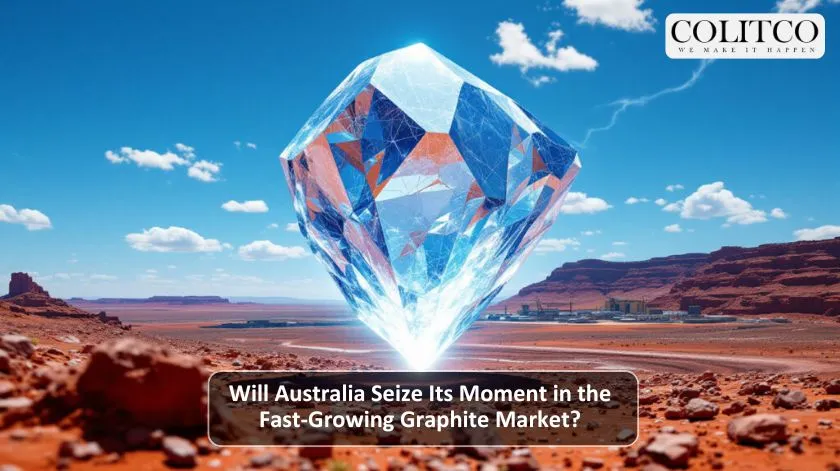
Australia is being encouraged to move quickly on a major economic opening in the global battery industry, with a new CSIRO report suggesting the country could become a significant supplier of battery-grade graphite as demand for electric vehicles and energy storage continues to surge.
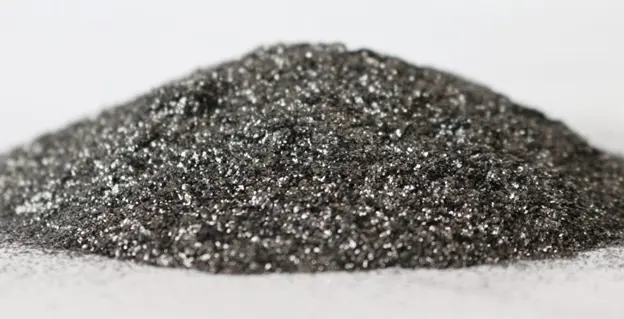
Graphite is the key material used to make battery anodes, and it accounts for as much as a fifth of the weight of a typical lithium-ion battery cell. With electric vehicle uptake growing worldwide, the value of the graphite market is expected to rise sharply from USD 26.27 billion in 2024 to more than USD 38 billion by the end of this decade. Yet, despite holding large natural deposits, Australia currently produces no battery-grade graphite.
Does Australia Have the Resources to Compete Globally?
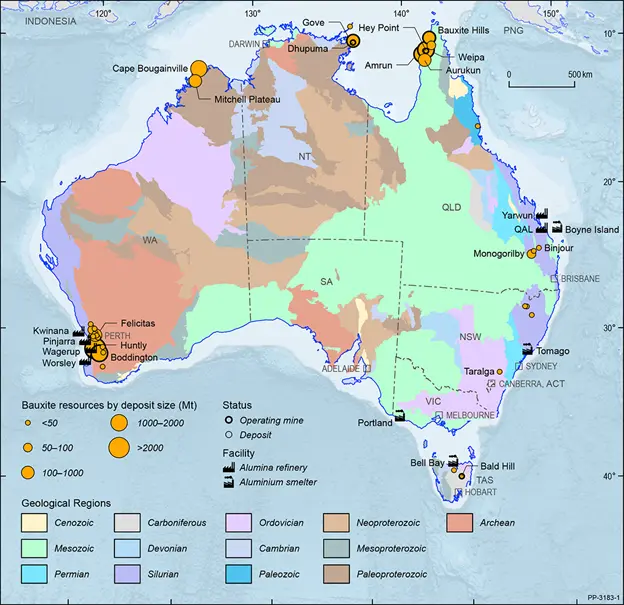
Australia has a strong resource base. The report shows the country holds almost 27 million tonnes of natural graphite, with just under half of that considered high-confidence resources. Most of this is located in South Australia, Western Australia and Queensland, and a recent discovery in the Northern Territory is likely to push the total even higher.
Even so, Australia has not produced graphite commercially since 2017. Several projects are moving toward development, including Renascor’s Siviour project on the Eyre Peninsula, but none are yet delivering the purified spherical graphite needed for battery manufacturing.
Why Does China’s Dominance Pose a Strategic Risk?
China controls the vast majority of the world’s graphite processing industry. In some parts of the supply chain, its market share exceeds 90 per cent. It is responsible for almost all global production of anode materials, which places much of the battery sector at risk if supply is disrupted.
The United States has raised concerns about long-term access to graphite as it builds out its own battery industry and recently introduced heavy tariffs on Chinese anode materials. These developments increase pressure on countries like Australia to help diversify global supply and reduce reliance on a single producer.
Where Is the Real Economic Value in Graphite Processing?
The biggest opportunity is not simply in mining but in converting graphite concentrate into finished anode material. The difference in value is stark. Concentrate typically sells for around USD 700 a tonne, while battery-ready material can fetch close to USD 7,000 a tonne. Two tonnes of concentrate are needed to produce one tonne of anode material.
Australian miners already operate with relatively low extraction costs, but the challenge is in the more complex stages, such as purification and shaping. These steps require large investments in equipment and energy. Natural graphite also loses a significant portion of material when it is shaped into spherical form for batteries, which increases overall costs.
Synthetic graphite presents a different challenge. It performs well in electric vehicle batteries but is extremely energy-intensive to produce. China has managed to make it cheaply, but this has also increased the environmental footprint of the global industry.
What Steps Could Position Australia as a Global Supplier?
The CSIRO outlines several key actions that could help Australia establish a stronger foothold.
● Can exploration be improved using modern tools?
Yes. The report encourages more detailed mineral analysis and the use of modern data techniques to understand deposits better. This would help identify which resources are most suitable for battery production.
● Should Australia target specific types of deposits?
Smaller flake sizes are preferred by battery makers because they reduce manufacturing steps. Prioritising these deposits could cut costs and improve competitiveness.
● Is downstream manufacturing essential?
Absolutely. If Australia wants to capture more value, it needs to develop its own processing and coating facilities instead of shipping raw concentrate offshore.
● Can renewable energy lower production costs?
Yes. Processing graphite requires large amounts of power, and using renewable energy would not only lower costs but also allow Australia to offer a cleaner, lower-emission product.
● Could recycling strengthen supply security?
Recovering graphite from used batteries could provide an additional domestic supply stream in the future. Hydrometallurgical recycling, in particular, allows graphite to be recovered rather than destroyed.
● Will cooperation with the United States accelerate progress?
Australia and the US are deepening their partnership on battery materials through shared research programs, study tours and policy frameworks. This connection is expected to grow as both countries seek to build more secure supply chains.
Also Read: TPG Telecom Issues New Update on Triple Zero Outage Ahead of Senate Hearing
Is Australia at Risk of Missing the Opportunity?
The CSIRO warns that the window to act is narrowing. Global demand for graphite is rising quickly, geopolitical tensions are reshaping trade flows, and China continues to expand its already dominant position.
Australia has the mineral resources, the stability and the renewable energy potential to become a trusted supplier of low-carbon graphite. Building an integrated mining and processing industry would support the domestic battery sector, strengthen energy security and create long-term economic benefits.
But without urgent investment and coordinated national planning, the country risks remaining a supplier of raw materials while others capture the value of the rapidly growing battery-grade graphite market.