Fuel Shortage Fears Trigger Emergency Planning
Authorities across Australia have begun preparing contingency plans after warnings that fuel supply disruptions linked to conflict in the Middle East could affect essential services. Officials in New South Wales said emergency planning is underway to ensure hospitals and other critical facilities maintain fuel access if shortages intensify.
Chris Minns, the Premier of New South Wales, confirmed that government agencies had convened a meeting involving energy, transport, police, and emergency services departments.
The meeting focused on assessing emergency fuel supplies and ensuring continuity for vital services during potential disruptions.
At the national level, Chris Bowen, Australia’s climate change and energy minister, announced that fuel distributor Ampol would prioritise deliveries to regional areas experiencing shortages.
The federal government also introduced temporary regulatory changes allowing additional petrol supply into the system for 60 days, increasing available fuel by roughly 100 million litres per month.
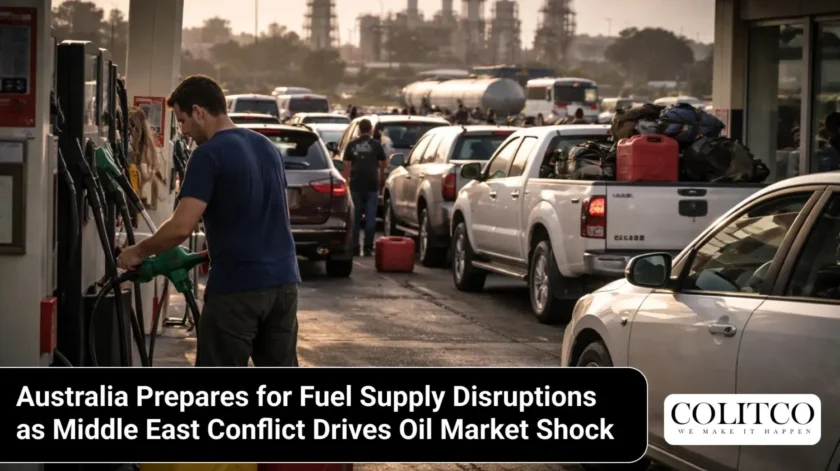
The measures come as motorists across several regions report rising fuel prices and limited availability at some service stations, particularly in rural communities.

Motorists refuel vehicles as fuel prices rise amid global oil supply concerns. [ABC]
Global Oil Market Turmoil Raises Stakes
The developments highlight Australia’s vulnerability to global energy disruptions despite being a major exporter of natural resources. A significant portion of the country’s refined fuel supply still relies on imports transported through key international shipping routes.
Market concerns intensified after oil markets reacted to disruptions linked to the conflict in the Middle East. Global benchmark Brent crude recently climbed above $100 per barrel amid reports of shipping evacuations and threats to major transport routes.
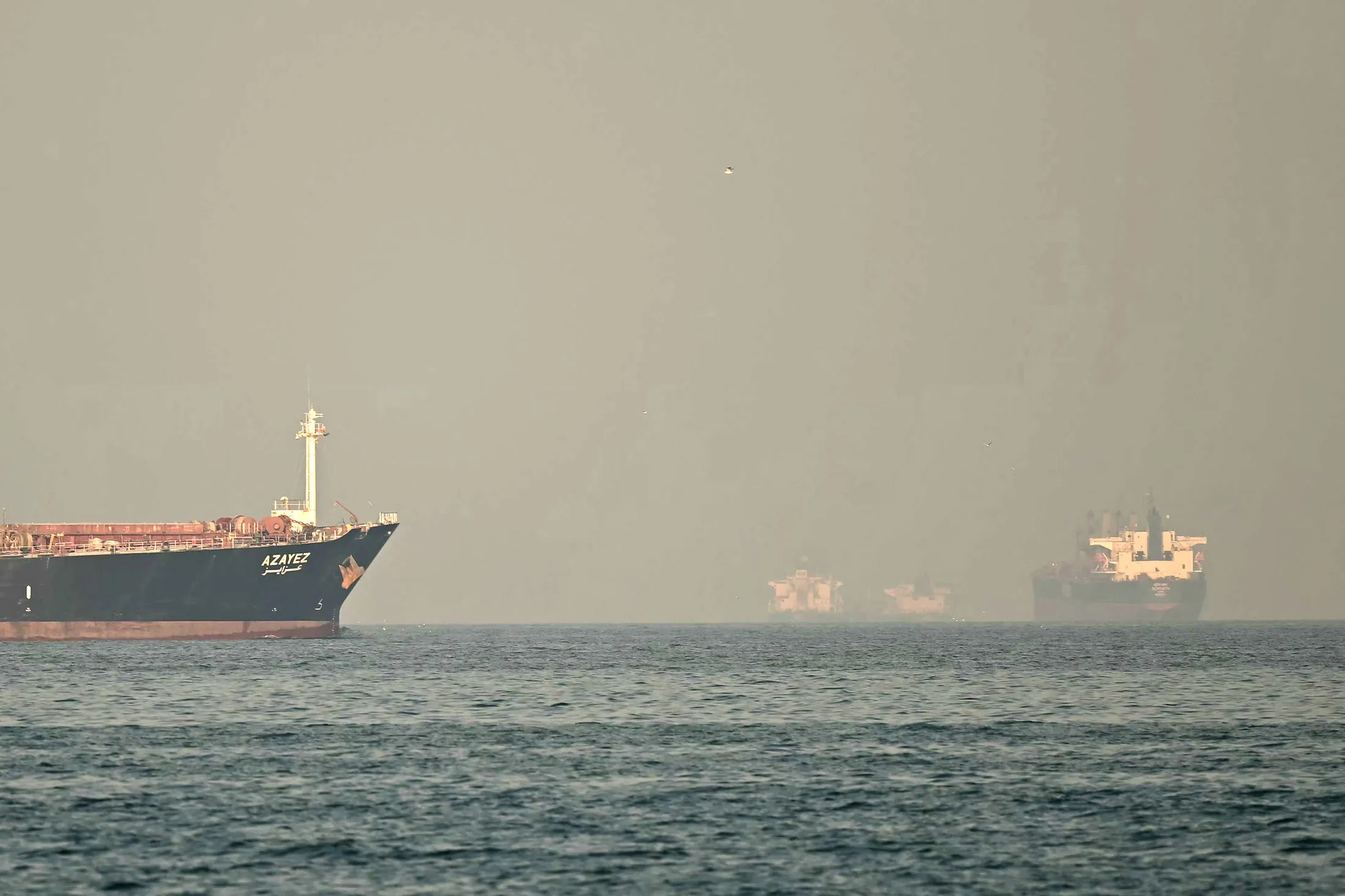
A major risk centres on the potential closure of the Strait of Hormuz, one of the world’s most critical oil transit chokepoints. Approximately 20 percent of global oil trade passes through the strait, meaning prolonged disruption could significantly restrict global supply.
Economists have warned that sustained increases in energy prices could trigger inflationary pressure worldwide. Higher fuel costs would raise transportation and production expenses, which could then flow through to consumer prices across multiple industries.
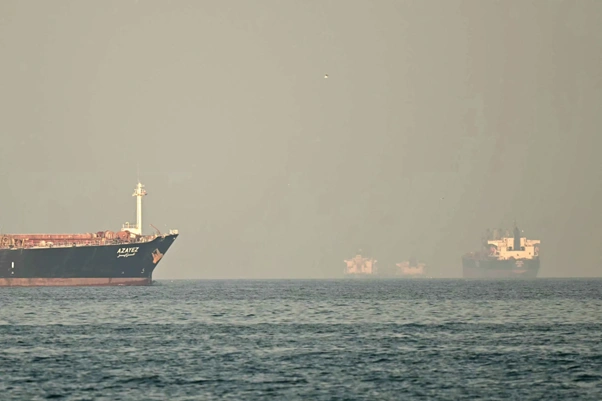
Oil tanker ships pass through the Strait of Hormuz, a critical route for global oil shipments. [Bloomberg]
Key Leaders and Institutions Respond
Several key policymakers and energy market analysts are closely monitoring the situation. In New South Wales, Premier Chris Minns is overseeing emergency planning to ensure fuel supplies remain available for hospitals, transport networks, and emergency services.
At the federal level, Energy Minister Chris Bowen is coordinating supply management measures with fuel providers, including Ampol. The government is also engaging with national security and supply chain agencies to monitor fuel availability across the country.
Meanwhile, analysts at major financial institutions have raised warnings about the broader market impact. Commodities strategist Vivek Dhar of Commonwealth Bank of Australia and analyst Daniel Hynes of ANZ both suggested the current disruption may represent a structural shift in oil markets rather than a short-term geopolitical shock.
Regional Supply Chains Under Pressure
The fuel supply response involves coordinated efforts between federal and state governments, particularly in regions most vulnerable to disruptions.
Key strategic focus areas
- Prioritising fuel deliveries to regional and remote communities
- Ensuring hospitals and emergency services maintain fuel reserves
- Increasing petrol supply through temporary regulatory adjustments
- Monitoring fuel distribution logistics across major states
In Western Australia, the government has also taken steps to secure fuel deliveries following industry concerns. Premier Roger Cook convened a fuel security roundtable with mining companies and logistics providers to review supply risks and transport capacity.
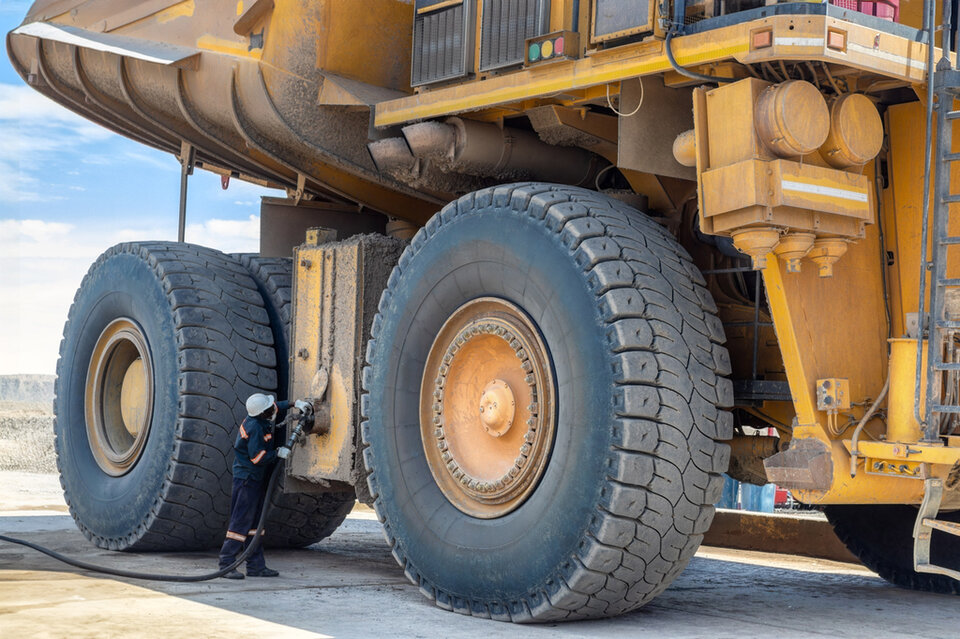
Mining companies have warned that diesel shortages could disrupt operations, particularly in remote regions where fuel deliveries are already limited.
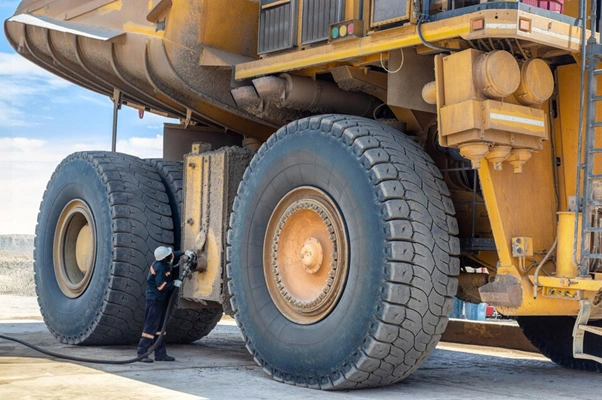
Mining operations in remote Australia rely heavily on diesel fuel supplies. [Mine]
How the Crisis Has Unfolded So Far
Government actions and market developments have unfolded rapidly since tensions escalated in late February.
Key timeline developments
- February 28, 2026: Middle East conflict escalates, triggering energy market concerns
- Early March 2026: Fuel prices in parts of Australia rise sharply as supply fears grow
- March 2026: Federal government introduces temporary fuel standard changes
- 60-day period: Additional petrol supply allowed to enter the market to stabilise availability
Officials say the temporary policy adjustments are intended to maintain an adequate fuel supply while global markets stabilise.
Also Read: EV Resources Acquires Full Ownership of Don Enrique Copper-Silver Project in Peru
What the Energy Shock Could Mean for the Future
Energy analysts warn that the oil market may remain volatile if disruptions to shipping routes persist. If the Strait of Hormuz remains partially closed, global supply constraints could push prices significantly higher.
Some forecasts suggest oil prices could climb well beyond current levels if the conflict continues for several months. Analysts have noted that spare global production capacity is limited, reducing the ability of other producers to offset supply losses.
Governments worldwide are already considering emergency responses. The International Energy Agency recently announced that member countries could release up to 400 million barrels of oil from strategic reserves to stabilise markets.
For Australia, the current situation underscores the importance of strengthening domestic fuel security. Policymakers are likely to face renewed calls to expand fuel storage capacity, diversify supply sources, and reduce reliance on overseas refined fuel imports.
FAQs
- Why is Australia concerned about fuel shortages?
Ans. Australia is monitoring potential fuel shortages due to disruptions in global oil supply linked to conflict in the Middle East. Rising oil prices and shipping risks have created uncertainty around fuel imports, which Australia relies on for refined petroleum products.
- What emergency measures has the government introduced?
Ans. The federal government has temporarily relaxed fuel quality standards for 60 days to increase petrol supply by around 100 million litres per month. Fuel distributor Ampol has also been asked to prioritise deliveries to regional communities where shortages are more likely.
- Are hospitals and emergency services at risk?
Ans. Authorities in New South Wales have begun contingency planning to ensure hospitals and critical services maintain access to fuel. Officials said emergency supplies and distribution plans are being reviewed to avoid disruptions.
- Why are global oil prices increasing?
Ans. Oil prices have risen due to fears that shipping routes in the Middle East could be disrupted. In particular, concerns about the security of the Strait of Hormuz, a key route for global oil trade, have pushed the price of Brent crude above $100 per barrel.
- Is the government asking people to stop buying fuel?
Ans. Officials have urged motorists not to panic-buy. Chris Minns advised residents to purchase only what they need to ensure supplies remain available for everyone, especially in regional areas.
- Could fuel shortages affect Australian industries?
Ans. Some sectors, including mining and transport, rely heavily on diesel fuel. Industry groups warn that prolonged supply disruptions could impact operations, particularly in remote regions where fuel deliveries are more limited.
Disclaimer:
This article is published by Colitco for informational and news reporting purposes only. The information presented is based on publicly available sources and official statements at the time of publication. While every effort is made to ensure accuracy, Colitco does not guarantee the completeness or reliability of the information. The content should not be considered financial, investment, or policy advice. Readers are encouraged to consult official government announcements and trusted sources for the most up-to-date information.
Sources:
WA moves to secure fuel supply after industry concerns – Australian Mining
Australian officials told to ‘keep quiet’ about fuel supply problems | news.com.au