
China Broadens Restrictions on BHP Iron Ore Shipments
China has expanded restrictions on iron ore imports from BHP Group, intensifying a commercial dispute between the global miner and Chinese state-backed buyers.
The move affects several of BHP’s major iron ore products exported from Western Australia’s Pilbara region.
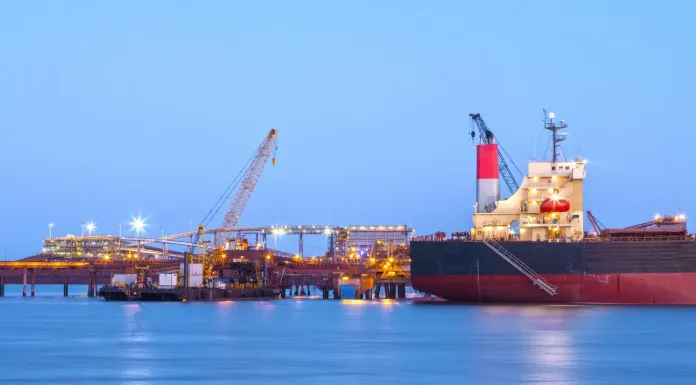
Iron ore cargo loading operations in Western Australia as shipments from BHP Group face new restrictions from Chinese buyers. [The Australian]
The restrictions were reportedly issued through China Mineral Resources Group (CMRG), an organisation created by Beijing to coordinate iron ore purchases for Chinese steel producers. The group has instructed some mills and traders to halt receiving certain BHP shipments while negotiations over new supply contracts continue.
Industry sources say the directive includes popular iron ore grades such as Newman fines and other key Pilbara products.
The decision follows earlier limits placed on other BHP ore types during the same negotiation process.
Some Chinese steel mills have responded by rapidly moving existing BHP stockpiles from port storage facilities to their plants. The activity suggests buyers are attempting to secure supplies already delivered to Chinese ports before tighter restrictions take full effect.
Contract Negotiations Trigger Trade Tensions
The dispute is linked to negotiations for iron ore supply agreements scheduled for 2026. China has been attempting to strengthen its bargaining power in the global iron ore market through centralized purchasing led by CMRG.
By coordinating demand from domestic steelmakers, China aims to gain stronger influence over pricing mechanisms and contract terms used by major mining companies.
The strategy has created friction with global suppliers that have traditionally negotiated contracts directly with individual steel producers.
The restrictions on BHP appear to be part of this broader effort to apply pressure during negotiations. Analysts believe the move is designed to encourage concessions on pricing or contract structures before long-term agreements are finalized.
Despite the dispute, global iron ore prices have remained resilient. Benchmark prices recently climbed close to their highest level in nearly a year, reflecting steady demand from the steel sector.
Market Reaction Highlights Investor Concerns
The development has drawn attention from investors and commodity analysts monitoring the global mining sector. Shares in BHP Group declined in early trading following reports of expanded restrictions on shipments to China.
Meanwhile, competing Australian producers recorded gains in the market. Investors appear to expect that rival exporters may benefit if Chinese steel mills shift purchases toward alternative suppliers during the dispute.
Market analysts estimate that the restrictions could affect a meaningful share of BHP’s shipments to China. Some assessments suggest that the measures may apply to a significant portion of the company’s annual iron ore output destined for Chinese buyers.
Even so, analysts generally believe the restrictions are unlikely to remain in place for an extended period.
China remains heavily dependent on imported iron ore to support its steel industry, limiting the feasibility of a long-term disruption.
China’s Centralised Buying Strategy
China Mineral Resources Group plays a central role in China’s strategy to reshape the iron ore market. The organisation was created to coordinate purchasing across the country’s steel sector and improve negotiating leverage with global suppliers.
China is the world’s largest importer of iron ore and accounts for a significant share of global demand. By consolidating purchases through a single entity, policymakers aim to stabilise prices and reduce dependence on traditional pricing systems dominated by major mining companies.
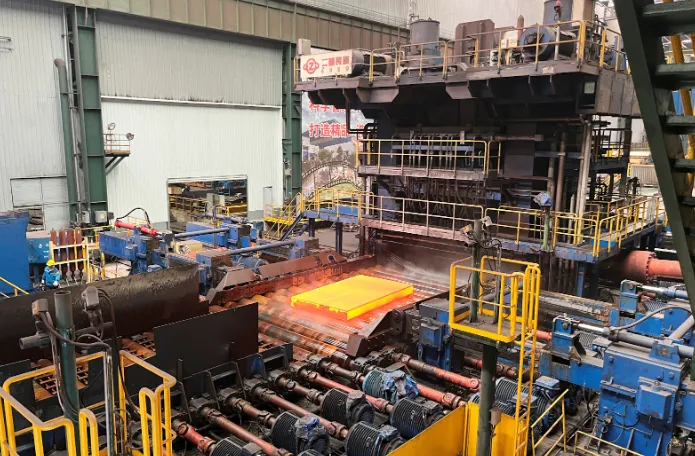
Steel production in China relies heavily on imported iron ore, shaping negotiations with global miners such as BHP Group. [Reuters]
This approach has introduced new dynamics into the iron ore trade. Mining companies now face negotiations with a single large buyer representing multiple steel producers rather than individual customers.
The strategy has also prompted discussions among exporters about diversifying their customer base to reduce reliance on one dominant market.
Strategic Responses from Global Iron Ore Producers
The dispute has encouraged mining companies to review their market strategies and export destinations. Although China remains the largest buyer of Australian iron ore, producers have increasingly explored opportunities in other Asian markets.
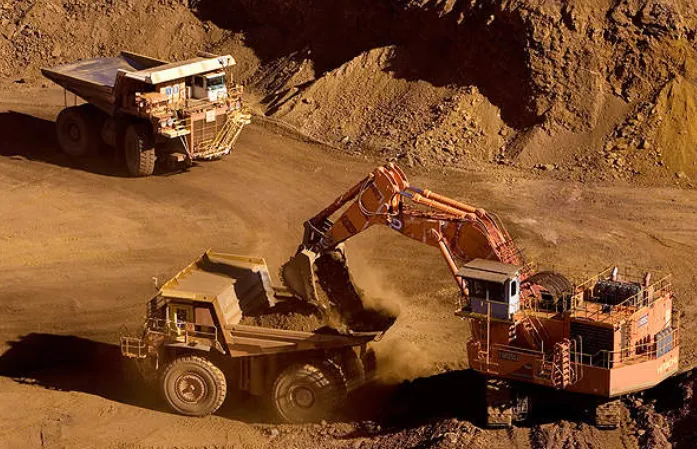
Mining operations in Australia’s Pilbara region, one of the world’s largest iron ore producing areas supplying Asian markets. [Mining-Technology]
Key strategic areas under consideration
- Expanding sales to emerging steel markets across Southeast Asia
- Strengthening relationships with long-term customers in Japan and South Korea
- Improving ore blending and processing techniques to increase product quality
- Adjusting contract structures to accommodate new pricing expectations
These initiatives could help exporters maintain stable volumes even during periods of negotiation or market disruption.
Key Developments Leading to the Dispute
The current situation has developed gradually over several months as negotiations between BHP and Chinese buyers intensified.
Timeline of recent developments
- Late 2025: Negotiations begin for iron ore supply contracts scheduled for 2026.
- Early 2026: Initial restrictions are placed on selected BHP iron ore grades.
- March 2026: China broadens the restrictions to include additional products such as Newman fines.
- Current stage: Steel mills move existing stockpiles from ports to processing facilities while talks continue.
This sequence highlights the growing complexity of iron ore negotiations between major producers and the world’s largest steel market.
Also Read: Kingsland Minerals Advances Leliyn Graphite Project After Positive Scoping Study Results
Global Iron Ore Market Faces Changing Dynamics
The dispute between BHP and Chinese buyers reflects broader changes in the global commodities market. As countries attempt to secure strategic resources, purchasing strategies and supply agreements are becoming increasingly complex.
For mining companies, the development underscores the importance of maintaining diverse export markets. Dependence on a single buyer can expose exporters to commercial pressure during negotiations.
At the same time, China’s continued reliance on imported iron ore suggests that supply disruptions are unlikely to persist indefinitely.
Australian producers remain among the world’s largest and most reliable suppliers of the raw material used in steelmaking.
As negotiations continue, the outcome may influence how future iron ore contracts are structured and negotiated. The resolution of the dispute could shape trade relationships between miners and steel producers across the global resources sector.
FAQs
1. Why has China expanded restrictions on BHP iron ore shipments?
Ans. China expanded the restrictions during negotiations over future iron ore supply contracts. The move is seen as part of efforts by China Mineral Resources Group to gain stronger leverage in pricing and contract terms with global mining companies such as BHP Group.
2. Which BHP iron ore products are affected by the restrictions?
Ans. The reported restrictions include several major products exported from Western Australia’s Pilbara region, including Newman fines and other widely used iron ore grades supplied to Chinese steel mills.
3. How important is China to BHP’s iron ore business?
Ans. China is the world’s largest importer of iron ore and one of BHP’s biggest markets. A large share of the company’s iron ore shipments is exported to Chinese steel producers, making the country a key customer.
4. Could the restrictions affect global iron ore prices?
Ans. Short-term restrictions can influence market sentiment and trade flows. However, analysts note that global demand for iron ore remains strong, which has helped keep benchmark prices relatively stable.
5. Are the restrictions expected to last long?
Ans. Many market analysts believe the restrictions may be temporary because China relies heavily on imported iron ore to support its steel industry. Negotiations between buyers and suppliers are expected to continue until new supply agreements are reached.
Disclaimer:
This article is published by Colitco for informational and news reporting purposes only. The content is based on publicly available information and industry sources believed to be reliable at the time of publication.
It does not constitute financial, investment, or trading advice. Readers should conduct their own research or consult a qualified financial advisor before making any investment decisions. Colitco and the author do not accept liability for any losses arising from the use of this information.
Sources:
https://www.gurufocus.com/news/8704020/china-expands-ban-on-bhp-bhp-iron-ore-amid-ongoing-dispute


