
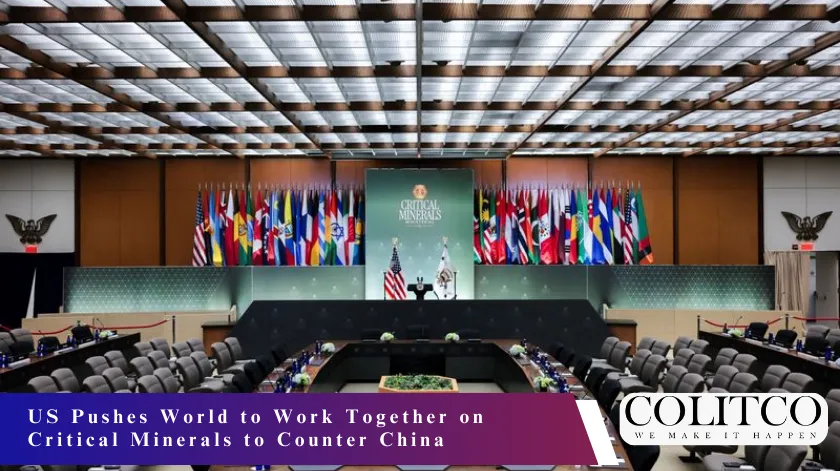
The United States is building a global alliance to challenge China’s dominance over critical minerals. Vice President JD Vance unveiled plans on 4 February 2026 for a preferential trade bloc spanning 55 countries to secure supplies of materials essential for semiconductors and electric vehicles.
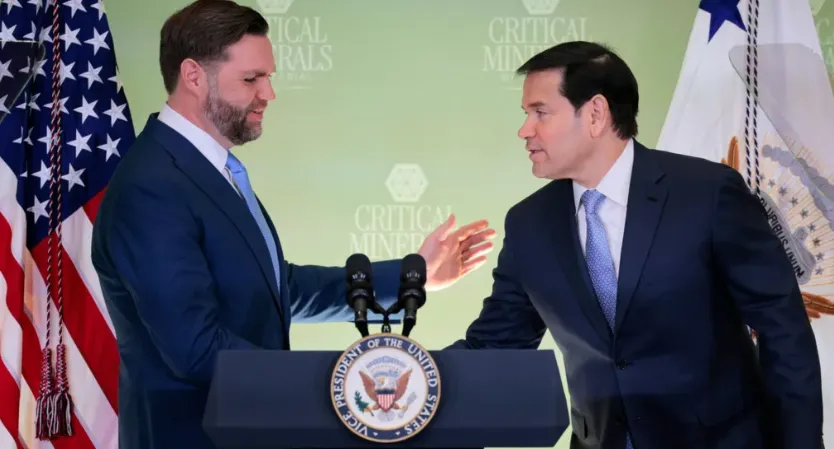
Figure 1: US Vice President JD Vance and Secretary of State Marco Rubio during discussions on critical minerals cooperation in Washington [BBC News]
The move marks Washington’s most ambitious effort yet to address the US China minerals conflict. China controls the processing of minerals needed for advanced manufacturing. Beijing has used this leverage to curb exports and undercut rivals attempting to diversify the minerals supply chain.
US Proposes Price Floors to Protect Domestic Production
Vance announced the establishment of reference prices for critical minerals at each production stage. These prices will operate as floors maintained through adjustable tariffs. The system aims to prevent cheap imports from undercutting domestic manufacturers.
The price floor mechanism represents a significant intervention in private markets. Washington hopes guaranteed minimum prices will open investment in mining projects. These projects have struggled to compete with cheaper Chinese supply for years.
Shares of mineral companies plunged on news of the trade bloc. MP Materials, Critical Metals, NioCorp Developments and USA Rare Earth posted losses ranging from 6 to 14 per cent. Investors questioned how price supports would affect the Company’s economics.
How US is Countering China with Minerals Through Global Alliance
Secretary of State Marco Rubio confirmed 55 countries attended the Washington talks. Participants included South Korea, India, Thailand, Japan, Germany, Australia and the Democratic Republic of Congo. Each nation brings varying refining or mining capabilities to the alliance.
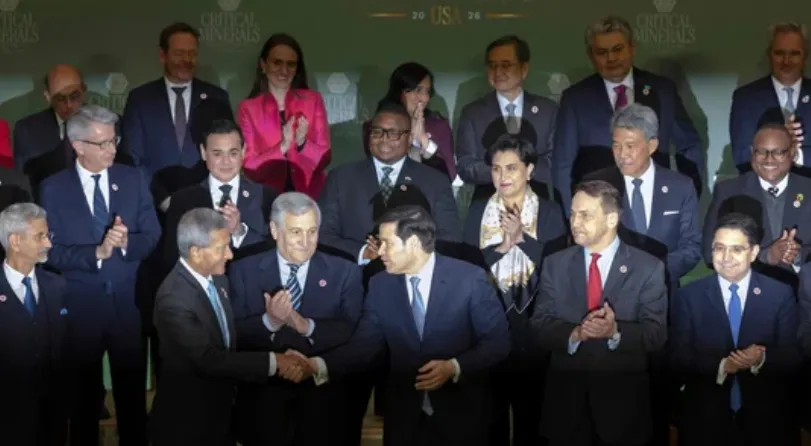
Figure 2: Representatives from multiple countries attend talks on a proposed US-led critical minerals trade bloc [Hindustan Times]
The minerals are heavily concentrated in one country’s hands, Rubio stated without naming China. This situation has become a tool of leverage in geopolitics. The Trump administration launched Project Vault on Monday, a US$10 billion strategic stockpile backed by the Export-Import Bank.
US Trade Representative Jamieson Greer announced bilateral plans with Mexico. He also revealed a trilateral agreement with the European Union and Japan. These frameworks strengthen the minerals supply chain and set the stage for broader cooperation.
China’s Chokehold on Critical Minerals Creates Vulnerabilities
China expanded export controls on rare earths last year, causing production delays across Europe and America. Auto manufacturers faced shutdowns due to material shortages. A China-generated lithium glut has stalled US production expansion plans.
Beijing requires companies to obtain government approval before shipping minerals abroad. Stricter measures implemented in October dealt a major blow to US industries. Chinese authorities later eased restrictions but maintained leverage in trade negotiations.
China’s embassy in Washington stated the country has played a constructive role keeping global supply chains safe. Beijing expressed willingness to continue active efforts in this regard. The statement came in response to questions about the ministerial meeting.
US China Minerals Conflict Escalates with Trade Bloc Formation
The US, EU and Japan agreed to pursue discussions within the Group of 7. They will also work through the Minerals Security Partnership. The plans explore specific measures including price supports, market standards, subsidies and guaranteed purchases.
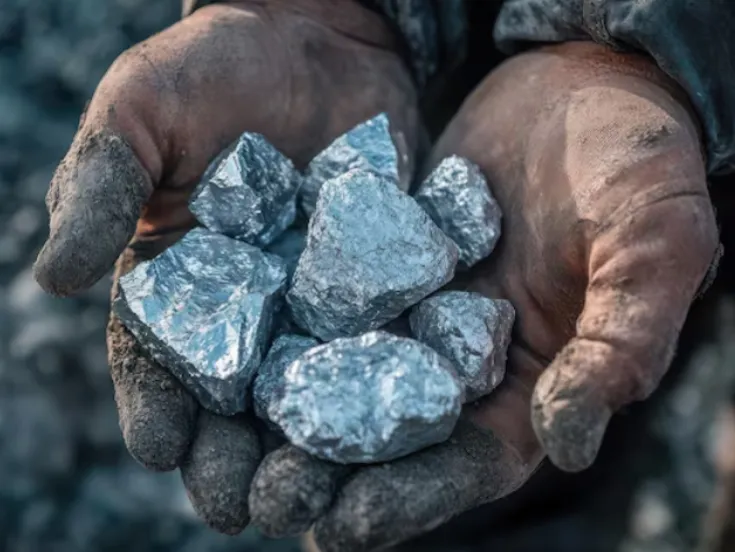
Figure 3: Generic representation of critical minerals used in advanced manufacturing and energy transition technologies [Freepik]
Argentina’s foreign ministry announced a framework agreement with Washington. The South American nation aims to boost copper and lithium exports. The bilateral deal demonstrates how the US is countering China with minerals through targeted partnerships.
Interior Secretary Doug Burgum said 11 more countries would join the trade club. The coalition currently includes the US, Australia, Japan, South Korea, Saudi Arabia and Thailand. Twenty additional countries showed strong interest in membership.
Minerals Supply Chain Reshaping Could Raise Short-Term Costs
The coordinated approach could reshape global supply chains for electric vehicles, semiconductors and defence systems. Manufacturers may face higher costs in the short term. Trade tensions with Beijing are expected to escalate further.
David Copley, special assistant to President Trump, said the US intends to deploy hundreds of billions in the mining sector capital. Investments have already been made in MP Materials and Lithium Americas. These companies produce rare-earth magnets and battery materials, respectively.
Industry figures welcomed the government’s decisive steps. Wade Senti, president of Advanced Magnet Lab, called it critical to shore up mineral supplies. The approach marks a recognition that America must act in concert with others.
Trump Administration Intensifies Focus on Economic Security
The multi-country effort represents the administration’s latest move to exert control over private business. The White House has taken stakes in several mineral companies and chipmaker Intel. Officials have negotiated deals with drugmakers for lower prices.
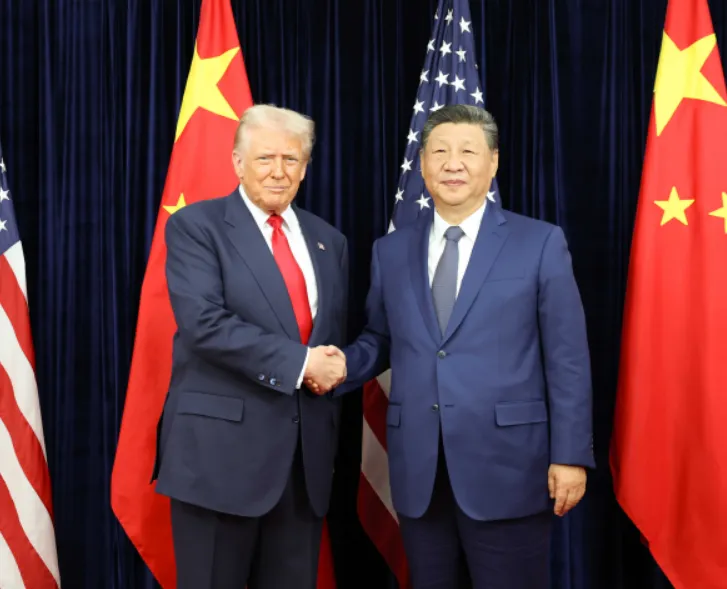
Figure 4: US President Donald Trump and Chinese President Xi Jinping [Chinese Consulate in Chicago]
Trump spoke with Chinese President Xi Jinping on Wednesday morning. The president described the call as excellent and very positive. They discussed trade and security issues from soybeans to Iran, but made no mention of minerals.
China’s leverage over critical minerals was evident in October. Trump agreed to trim tariffs on Chinese goods in exchange for Beijing holding off on stricter rare earths restrictions. Wednesday’s gathering underscores a broader US push to work with partners.
How US is Countering China with Minerals in Long-Term Strategy
Washington and its partners have struggled for years to implement durable alternatives. Domestic mining and processing of lithium, nickel and rare earths requires massive investment. Previous policies failed to create sustainable competition with the Chinese supply.
Scott Kennedy of the Centre for Strategic and International Studies noted the shift. This represents recognition that America must act in concert with others. Reducing vulnerability in areas where China has supply dominance requires coordinated action.
The Trump administration is moving away from granting price floors to individual domestic projects. Officials recently told the industry that the US seeks a global solution. This coordinated approach aims to create lasting change in the minerals supply chain.
Final Thoughts
The US-led critical minerals trade bloc represents a fundamental shift in global resource policy. Coordinated price floors and guaranteed purchases aim to stimulate investment outside China. The 55-nation alliance demonstrates broad concern about Beijing’s market dominance.
Success depends on sustained political commitment and significant capital deployment. Minerals supply chain diversification requires years of development work. The US China minerals conflict will shape economic and security relationships for the foreseeable future.
FAQ
Q1. What is the US critical minerals trade bloc?
Ans. The US is forming a preferential trade zone with 55 countries that establishes price floors for critical minerals through coordinated tariffs to prevent market flooding and support domestic production.
Q2. Why is the US China minerals conflict important?
Ans. China controls the processing of critical minerals needed for semiconductors, electric vehicles and defence systems, giving Beijing leverage to curb exports and undercut rivals attempting to diversify supply sources.
Q3. How will price floors work for critical minerals?
Ans. The US will establish reference prices at each production stage that operate as floors maintained through adjustable tariffs for trade bloc members, preventing cheap imports from undercutting domestic manufacturers.
Q4. Which countries joined the US minerals alliance?
Ans. Fifty-five countries attended the Washington talks including South Korea, India, Thailand, Japan, Germany, Australia, Mexico, the European Union and the Democratic Republic of Congo.