

Australia’s energy landscape is shifting beneath the surface. Beach Energy (ASX: BPT) CEO Brett Woods has pointed to an emerging force that could reshape domestic gas demand over the coming years. The Company posted a net profit of $219 million for the half year ended 31 December 2025, down 8 per cent from $237 million in the prior period.
Figure 1: Beach Energy head office signage in Australia [Climat Commercial]
Woods revealed that data centre growth is now translating into direct inquiries for gas supply. The observation comes at a time when global technology giants are building their own gas-fired power stations to fuel artificial intelligence ambitions. Beach Energy believes Australia must prepare for this transition or risk falling behind in the digital economy race.
What Does Data Centre Growth Mean For Australian Gas?
Beach Energy has started receiving inquiries from data centre developers seeking a reliable gas supply. Woods highlighted examples from the United States, where Apple, Google and IBM are constructing dedicated gas-fired power stations. These facilities are designed specifically to support data centre operations and artificial intelligence workloads.
The CEO stated that Australia needs to follow this pathway to allow the digital infrastructure industry to expand. He described gas as one of the most important fuels of the future. Woods emphasised that modernising the economy will require significant gas demand to support emerging technology sectors.
Energy Demand Surge Creates Policy Pressure
Beach Energy’s chief executive used the Company’s half-year results announcement to call for more supportive government policies. Woods argued that data centre growth driving gas demand makes the Federal Government’s east coast market review more critical than ever. The energy demand surge from technology infrastructure has prompted calls for urgent regulatory reform.
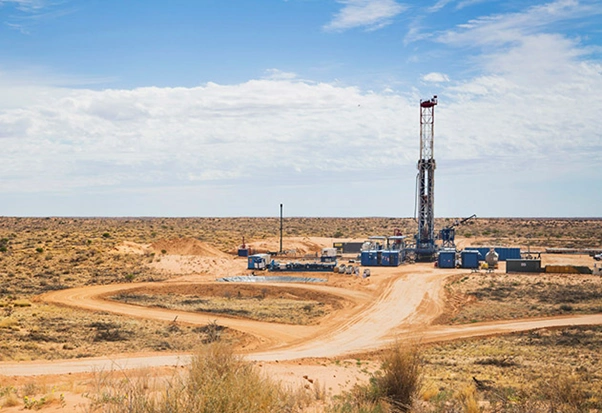
Figure 2: Onshore oil and gas drilling operations at a Beach Energy asset [Beach Energy]
The Company supports a domestic gas reservation scheme but insists it must come with streamlined approvals. Woods stated that domestic-only producers need prioritisation and incentives when delivering new projects. He said regulatory constraints and pricing limitations should not impact companies focused on the Australian market.
Beach Energy Financial Performance Under Pressure
Beach Energy reported sales revenue of $1.04 billion for the six months ended 31 December 2025, flat compared to the previous corresponding period. Net profit before one-time items declined to $219 million from $237 million, representing an 8 per cent decrease. The Company declared an interim dividend of 1 cent per share, down from 3 cents in the prior year.
Production reached 9.5 million barrels of oil equivalent during the first half. Beach Energy maintains full-year production guidance between 19.7 million and 22 million barrels. Woods described the first-half performance as solid, given operational challenges including Cooper Basin flooding in South Australia.
Waitsia Project Ramp-Up Supports Second Half Outlook
Beach Energy brought the delayed Waitsia gas project in Western Australia into production during the first half. Woods expressed confidence about the project’s ramp-up over the next two months. The Company expects stronger production in the second half to meet full-year guidance targets.

Figure 3: Brett Woods, Chief Executive Officer of Beach Energy [Beach Energy]
Cooper Basin operations have recovered well from flooding impacts, with 97 per cent of affected production now back online. Woods characterised the second half as active across Beach Energy’s core gas hubs on the east and west coasts. The Company is relying on this operational momentum to offset first-half challenges.
What Is The Market Sizing For Gas Demand?
The global data centre market is experiencing rapid expansion driven by artificial intelligence and cloud computing adoption. Industry analysts project that data centre energy consumption could double by 2030. Natural gas is increasingly viewed as a reliable baseload power source for facilities requiring 24/7 operation.
In Australia, the east coast gas market has faced supply constraints in recent years. The energy demand surge from data centre growth adds another layer of demand alongside traditional industrial users and liquefied natural gas exports. Beach Energy’s observations suggest this technology-driven demand could accelerate faster than current policy frameworks anticipate.
Industry Outlook For Domestic Gas Producers
Australia’s domestic gas producers face a complex operating environment as energy demand surge intersects with policy reform. The Federal Government’s review of the east coast market could introduce reservation requirements similar to Western Australia’s existing scheme. Beach Energy and other domestic-focused producers are pushing for incentives to balance any new supply obligations.

Figure 4: Gas processing infrastructure at Beach Energy’s Kupe production station [Beach Energy]
The emergence of data centre growth driving gas demand creates both opportunity and challenge. Producers who can secure long-term supply agreements with technology companies may benefit from stable revenue streams. The energy demand surge linked to data centre growth could reshape industry dynamics as artificial intelligence adoption accelerates across corporate Australia.
Share Price Movement Reflects Dividend Concerns
Beach Energy shares last traded at $1.192, giving the Company a market capitalisation of approximately $2.86 billion. The stock has moved within a 52-week trading range of $1.070 to $1.543 per share.
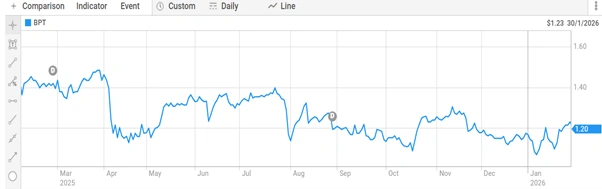
Figure 5: Beach Energy Limited (ASX: BPT) one-year share price performance chart [ASX]
Woods noted that the lower payout reflected spending planned for the second half, including decommissioning activities. Beach Energy is currently reviewing its policy of distributing 40 per cent to 50 per cent of pre-growth free cash flow. The Company is also evaluating acquisition opportunities that could require capital allocation.
Long-Term Strategic Positioning
Beach Energy positions itself as Australia’s third-largest oil and gas producer with backing from billionaire Kerry Stokes. The Company’s dual focus on East and West Coast gas hubs provides geographic diversification. Woods’ comments about data centre growth signal Beach Energy’s intention to participate in the emerging digital infrastructure energy market.
The Company’s support for domestic gas reservation, paired with regulatory reform, reflects a strategic bet on policy change. Beach Energy appears to be positioning for a future where the energy demand surge from the technology sector becomes a significant component of the Australian gas market. Investors will watch how government policy evolves in response to data centre growth and associated infrastructure pressures.
Final Thoughts
Data centre growth is creating unexpected ripples across Australia’s energy sector. Beach Energy’s CEO has identified this trend as a potential game-changer for domestic gas demand. The Company’s call for supportive policies reflects the tension between opportunity and regulatory uncertainty.
As global technology giants demonstrate their willingness to build dedicated power infrastructure, Australian gas producers face questions about preparedness. Beach Energy’s financial performance in the second half will provide insights into whether the Company can capitalise on both traditional and emerging demand sources.
FAQs
Q1. What is driving data centre growth in gas demand?
Ans. Artificial intelligence and cloud computing require 24/7 baseload power that gas-fired generation can reliably provide for data centres.
Q2. How much profit did Beach Energy report for the first half?
Ans. Beach Energy reported net profit of $219 million for the six months ended 31 December 2025, down 8 per cent year-on-year.
Q3. What is Beach Energy’s production guidance for the full year?
Ans. The Company maintains production guidance between 19.7 million and 22 million barrels of oil equivalent for the financial year 2026.
Q4. Why did Beach Energy reduce its interim dividend?
Ans. The Company reduced the dividend from 3 cents to 1 cent per share to fund second-half spending, including decommissioning and potential acquisitions.


