

The Internal Revenue Service (IRS) commenced the 2026 tax filing season on 26 January. This date marks the official start for processing 2025 federal income tax returns. The agency anticipates the receipt of 164 million individual returns during this period. Taxpayers must submit their filings by the 15 April 2025 deadline.
The tax season aligns with the 250th anniversary of the Declaration of Independence. It also marks 40 years of electronic filing systems. IRS Chief Executive Officer Frank Bisignano stated, “The Internal Revenue Service is ready to help taxpayers meet their tax filing and payment obligations during the 2026 filing season.” He noted that the workforce remains dedicated to serving the public.
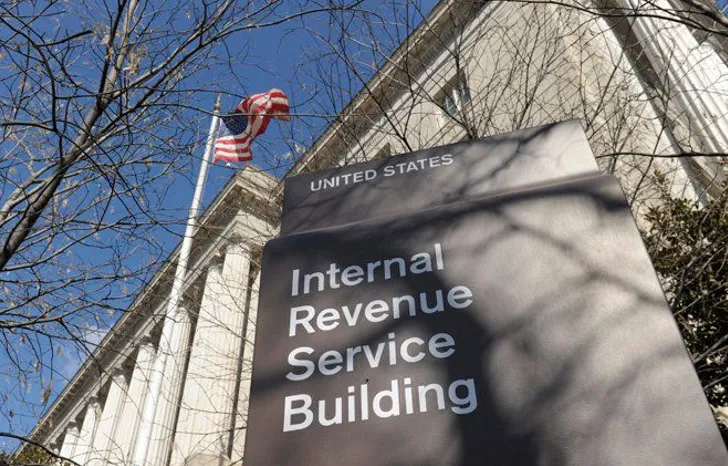
The 2026 tax filing season commenced on 26 January
Estimated Refund Timelines And Delivery Methods
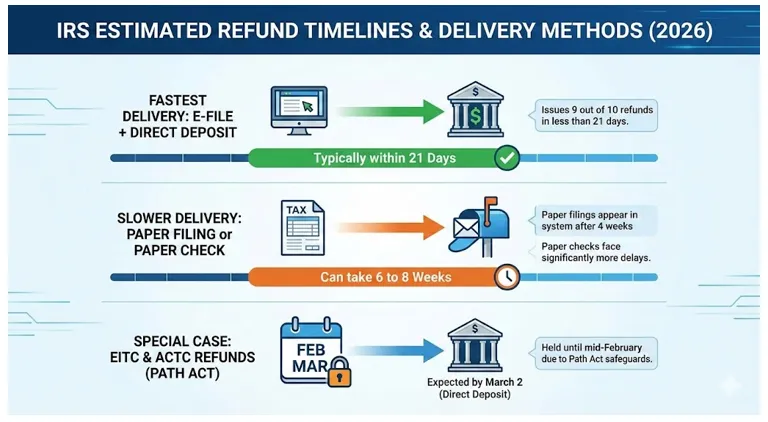
The IRS issues nine out of ten refunds in less than 21 days. Electronic filing remains the most efficient method for submission. Taxpayers who choose direct deposit receive funds more rapidly than those requesting paper checks. The agency identifies direct deposit as the primary method for issuing payments this year.
Most taxpayers receive their money within three weeks of the IRS accepting their return. Paper filings require significantly more time for processing. Mailed returns typically take four weeks to appear in the system. Refund delivery for paper checks may extend to six or eight weeks.
Estimated Refund Timelines
Phase-Out Of Paper Refund Checks
Executive Order 14247 mandates a transition to electronic payments. The IRS began phasing out paper refund checks on 30 September 2025. This initiative aims to modernise payments to and from bank accounts. Electronic refunds reduce the risk of loss, theft, or delivery delays.
Paper checks are 16 times more likely to face complications than digital transfers. The IRS encourages individuals without bank accounts to open one immediately. This step ensures the timely receipt of tax refunds. The agency will only issue paper checks in limited, specific circumstances.
Direct Deposit Rejections And Cp53e Notices
The IRS will freeze refunds if a bank rejects a direct deposit attempt. The agency will not automatically reissue these funds as paper checks in 2026. Instead, the IRS sends a CP53E notice to the taxpayer. This notice requests updated banking information through an online account.
- Taxpayers have 30 days to respond to the CP53E notice.
- The IRS releases the refund after verifying new deposit details.
- Failure to respond results in a paper check after six weeks.
- Certain groups, like minors and prisoners, maintain eligibility for checks.
Refund Dates For EITC And ACTC Recipients
The Path Act requires the IRS to hold certain refunds until mid-February. This rule applies to the Earned Income Tax Credit (EITC). It also affects the Additional Child Tax Credit (ACTC). These safeguards help the agency prevent fraudulent claims and identity theft.
The IRS expects these refunds to reach bank accounts by 2 March 2026. This timeline applies to taxpayers who choose direct deposit. Some financial institutions may post funds earlier than this date. The “Where’s My Refund?” tool provides specific updates for these filers by 21 February.

Taxfilers can use Where’s My Refund? Tool for specific updates
Tracking Refunds Via Online Tools
Taxpayers can track their refund status using the “Where’s My Refund?” application. Information becomes available 24 hours after the IRS accepts an electronic return. Paper filers must wait four weeks before the tool displays their status. The system updates once every 24 hours, usually overnight.
The tracker displays three distinct stages of the refund process. “Return Received” indicates the IRS has the filing in its system. “Refund Approved” means the agency finished processing the return. “Refund Sent” confirms the transfer of money to the financial institution.
Average Refund Amounts And Statistics
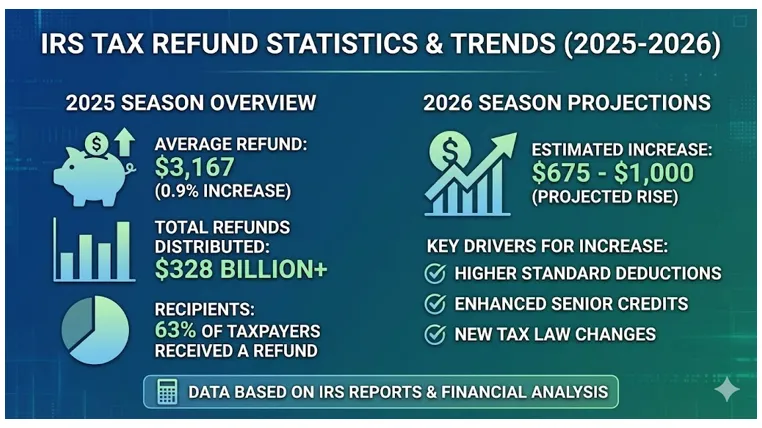
The average tax refund in 2025 reached $3,167. This figure represented a 0.9 per cent increase from the previous year. Approximately 63 per cent of all taxpayers received a refund last year. The IRS distributed over $328 billion in total refunds during that cycle.
Financial analysts predict higher refund amounts for the 2026 season. New tax law provisions from the “One, Big, Beautiful Bill” impact these figures. Some estimates suggest average refunds could rise by $675 to $1,000. These changes involve higher standard deductions and enhanced credits for seniors.
Tax refund statistics from 2025
Impact Of New Tax Legislation
Several provisions of the recent tax bill became effective for the 2025 tax year. Taxpayers no longer pay federal tax on tips or overtime earnings. This change directly affects millions of service and hourly workers. The law also includes a new deduction for car loan interest.
- No federal tax applies to tips earned during 2025.
- Overtime pay remains exempt from federal income tax.
- Seniors over age 65 qualify for an enhanced deduction.
- The state and local tax (SALT) deduction cap increased.
Also Read: Deep Creek Fire Growing: People Told to Be Ready to Leave
Government Shutdown Concerns And Filing
A potential government shutdown creates uncertainty regarding IRS operations. Lawmakers face deadlines to pass federal funding legislation this February. A shutdown could slow the processing of returns and the issuance of refunds. The IRS has not previously operated during an active tax season shutdown.
The April 15 filing deadline remains in place despite any funding lapses. Penalties and interest still accrue for late payments or missing filings. The IRS urges taxpayers to monitor the official website for real-time guidance. Electronic filing may offer the best protection against potential administrative delays.
Preparing For The 2026 Filing Season
Taxpayers should gather all necessary documents before starting their returns. This includes Form W-2, Form 1099, and records for digital assets. Accuracy on the initial filing prevents the need for manual reviews. Manual reviews often extend the refund wait time by several weeks.
The IRS Free File programme opened for qualified taxpayers on 9 January. This service provides no-cost tax preparation software for eligible individuals. Taxpayers can also access their Individual Online Account to view past records. Maintaining updated information ensures a smoother experience during the 2026 tax season.


