
Senator Elizabeth Warren is pushing for a federal investigation after reports surfaced that UAE-linked investors poured $500 million into a Trump-associated cryptocurrency company. The funding has raised questions about foreign influence and transparency in U.S.-linked financial ventures.
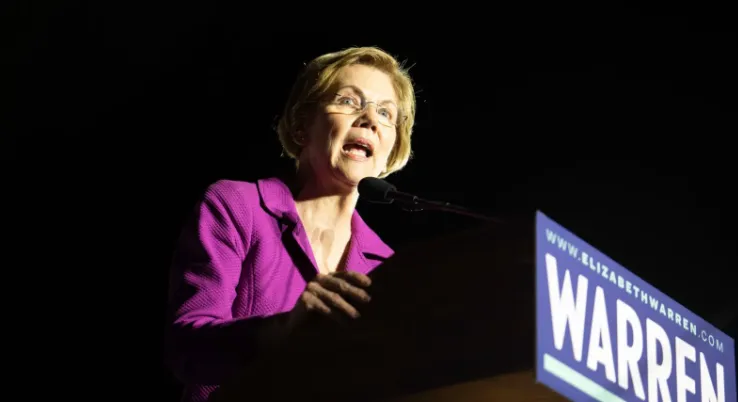
Senator Elizabeth Warren calls for federal investigation into UAE-linked investment in Trump crypto firm. (Source: Decrypt)
UAE Investors Take Big Stake in Trump Crypto
World Liberty Financial, the crypto platform tied to the Trump family, got a $500 million investment from UAE-related sources recently. The timing is drawing attention because it happened days before Trump’s presidential inauguration.
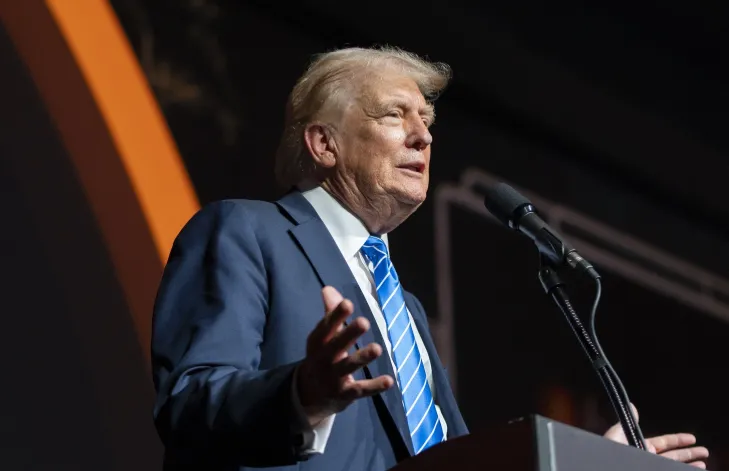
Former President Trump has ties to World Liberty Financial, which received $500 million from UAE investors. (Source: NBC News)
The UAE investors now control nearly half of the company’s shares. That gives them real influence over decisions and strategy, which worries some lawmakers. The firm handles digital tokens and offers blockchain-based asset management, making it a major player in U.S.-linked crypto.
The investment shows how cryptocurrency is attracting huge sums from foreign sources, especially in ventures with political connections. Experts say this can create risk if ownership and control aren’t transparent.
Warren Demands Oversight
Senator Warren wants regulators to check the investment. She says foreign ownership at this scale in a U.S.-linked crypto company could be a problem.
In a statement, she called for the SEC and other agencies to look at the deal closely. Warren warned that foreign investors might gain leverage over companies tied to American political figures. She also emphasized the need for transparency and federal oversight.
This demand comes amid growing concerns about cryptocurrency’s unregulated channels, especially when foreign money meets politically connected platforms.
Ownership Questions
Part of the $500 million went through Aqua1 Foundation, a company with almost no public record. Analysts are trying to figure out who really controls the money.
Blockchain tracing suggests parts of the funds came from UAE exchanges. Still, it’s unclear if they’re linked to private investors, government entities, or some mix. Experts say opaque structures like this make oversight essential.
The lack of transparency adds to worries about influence and potential misuse of funds in U.S.-linked ventures.
UAE Connections
Reports suggest Sheikh Tahnoon bin Zayed Al Nahyan, Abu Dhabi’s national security adviser and brother of the UAE president, is involved. Media outlets note his intelligence background, calling him the “Spy Sheikh.”
This raises red flags for lawmakers. Combining large financial stakes with national security connections makes this a sensitive situation. Analysts say foreign stakes in U.S.-linked crypto platforms are rare but increasingly common.
In a post on X, Senator Elizabeth Warren said the reported investment “raises serious questions” and called for stronger oversight of foreign involvement in U.S.-linked crypto firms.
Sen. Elizabeth Warren (D-Mass.) responds to this blockbuster WSJ report this morning with a statement directed at her colleagues: “Congress needs to grow a spine and put a stop to Trump’s crypto corruption.” https://t.co/LWRIIF4Cre pic.twitter.com/TE1mN4m8uT
— Brendan Pedersen (@BrendanPedersen) February 1, 2026
Timing and Corporate Governance
The UAE investment came just as the Trump-linked crypto platform announced new blockchain initiatives. Analysts say that foreign investors with big stakes can influence company strategy, board appointments, and financial decisions.
Governance experts warn that without strong checks, big foreign investors could push decisions that may not align with U.S. interests. In this case, the UAE investors have enough shares to make their voices heard in company decisions.
Controversial Investors
World Liberty Financial also has other early investors with sketchy backgrounds. Russian national Andrei Grachev pleaded guilty to fraud, and Guren Zhou is under investigation for money laundering in the UK.
These connections raise concerns about how the platform is run. Cryptocurrency ventures are often opaque, and high-profile political ties make scrutiny more urgent. Observers note that investor risk in crypto platforms grows when ownership transparency is low.
Federal Oversight
Lawmakers want multiple agencies to review the investment. The SEC, Department of Justice, and financial intelligence units could all play a role.
Concerns center on whether foreign money could influence U.S.-linked assets or circumvent regulations. Investigations might focus on how the $500 million was transferred, who ultimately benefits, and if U.S. laws were followed.
National Security Considerations
Cryptocurrency is increasingly treated as a strategic asset. Warren’s call is partly about national security.
Blockchain allows money to move across borders fast. Foreign stakes in politically connected platforms create potential vulnerabilities. Oversight ensures that foreign investors don’t get undue influence or access to sensitive financial networks.
Investor Influence
The UAE-linked stake gives investors power over corporate decisions. This includes hiring decisions, investment direction, and strategic initiatives.
Experts say unregulated sectors like crypto are more sensitive to this influence because ownership is opaque. Even small missteps can have regulatory and reputational consequences.
Calls for Transparency
Warren stresses transparency is key. Congress and regulators need clear information on who controls what.
This story fits a larger trend: foreign money entering U.S.-linked crypto companies, especially with political connections. Lawmakers argue that federal review can ensure investors don’t have disproportionate influence.
Also Read: Google Launches Project Genie: Your Text Prompts Now Build Interactive 3D Worlds
FAQs
- What was the $500 million UAE investment in the Trump‑linked crypto firm?
An Abu Dhabi‑backed investment vehicle agreed to purchase a 49 percent stake in World Liberty Financial, a cryptocurrency company associated with the Trump family, for $500 million.
- Who backed the investment from the United Arab Emirates?
The investment was backed by a UAE investment entity connected to Sheikh Tahnoon bin Zayed al‑Nahyan, the UAE’s national security adviser, making the foreign group the largest external shareholder.
- When did the UAE deal take place?
The deal was signed in January 2025, just days before Donald Trump’s second presidential inauguration, and was not publicly disclosed at the time.
- How was the $500 million from the deal allocated?
About half of the investment was paid upfront, with an estimated $187 million going to Trump family‑controlled entities and additional funds directed to companies connected to co‑founders of the crypto venture.
- Why have lawmakers called for a federal investigation?
Lawmakers, including Senator Elizabeth Warren, have called for congressional oversight and hearings to examine whether the timing and structure of the UAE investment pose ethical or national security concerns.
- What do critics say about the timing of the deal?
Critics note the investment occurred shortly before the administration approved the sale of advanced U.S. AI chips to the UAE, raising questions about whether there were connections between foreign investment and policy decisions.
- How has the Trump administration responded to criticism?
White House officials and World Liberty Financial representatives have denied any wrongdoing, stating that the company’s operations are separate from official government actions and that ethical rules are followed.


