
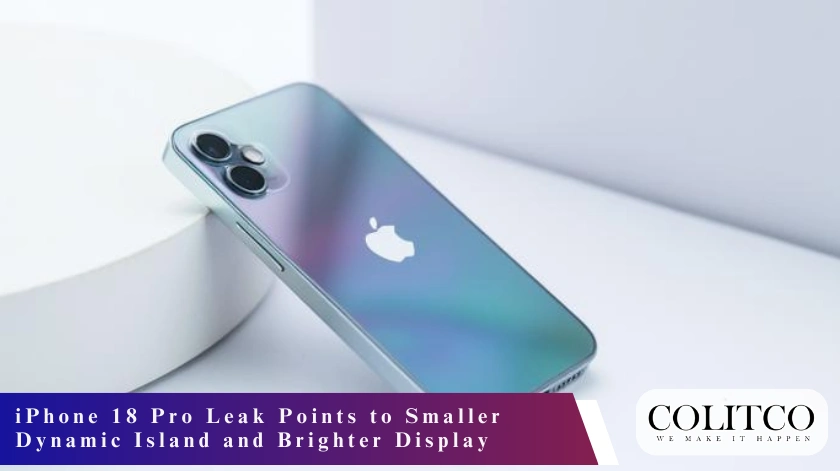
Apple’s next Pro iPhone may introduce a redesigned Dynamic Island and a brighter display. New leaks suggest a smaller front cutout and higher brightness targets. The changes are expected to arrive with the iPhone 18 Pro and Pro Max.
Dynamic Island Set for a Visual Redesign
A fresh report claims Apple will reduce the width of the Dynamic Island. The change would apply to the iPhone 18 Pro and iPhone 18 Pro Max.
Leaker Ice Universe shared measurements showing the cutout shrinking from 20.76 millimeters to 13.49 millimeters. That equals a reduction of about 35 percent.
The leaker posted the figures on X, drawing attention from several tech outlets. His past disclosures on Apple hardware have often proven accurate.
The Dynamic Island cutout width on the iPhone 18 Pro and iPhone 18 Pro Max has been reduced from 20.76 mm to 13.49 mm, representing a reduction of approximately 35%. pic.twitter.com/dLnUdCts7z
— Ice Universe (@UniverseIce) January 23, 2026
This redesign would mark the first major update to the Dynamic Island since its debut. Apple introduced the feature with the iPhone 14 Pro in 2022.
Earlier rumors suggested Apple might move the camera to a corner. Later reports said those claims came from mistranslations.
Instead, the Dynamic Island is expected to remain pill-shaped. The cutout would simply become narrower and less dominant.
Possible Shift of Face ID Components
The reduced size may come from hiding Face ID components under the display. One candidate is the flood illuminator.
That sensor plays a key role in facial recognition. Moving it beneath the screen would free visible space.
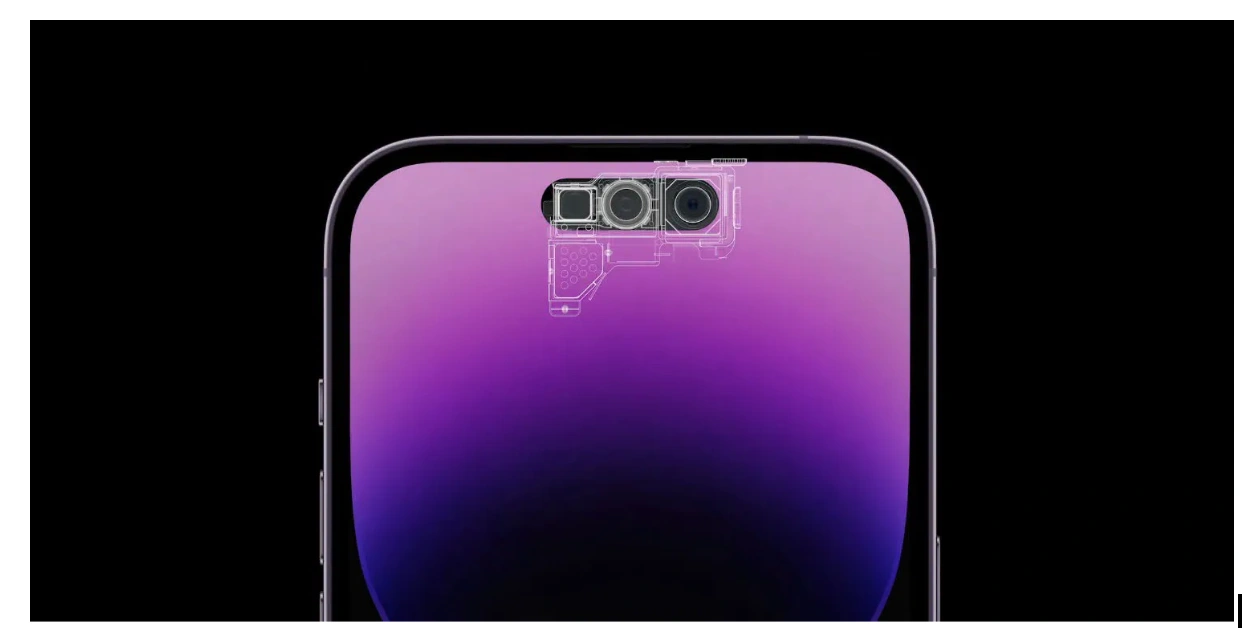 Apple is expected to move some Face ID components under the display to reduce the visible cutout. (Source: 9to5mac)
Leaks suggest some Face ID parts could shift under the panel. Not all sensors are expected to disappear from view.
This approach would keep Face ID functionality intact. At the same time, it would create a cleaner front design.
Analysts note Apple’s cautious approach to under-display sensors. The company has delayed full adoption for several years.
The Dynamic Island still serves a software purpose. It displays Live Activities and alerts in real time.
A narrower cutout would leave more usable screen area. That could allow more flexible layouts for notifications.
Which Models Will Get the Change
The redesigned cutout is expected only on Pro models. The regular iPhone 18 may not receive the update.
Previous leaks said the change would skip the base iPhone 18. That mirrors the original rollout of the Dynamic Island.
The feature appeared first on the iPhone 14 Pro. The standard model received it one year later.
Some reports also suggested the iPhone Air 2 would miss out. That claim remains uncertain.
The iPhone Air 2 may not launch until 2027. It is also positioned as a premium device.
Given that status, analysts question whether Apple would exclude it. Final decisions may depend on supply constraints.
Brighter Display Targets for iPhone 18
A separate leak points to a major upgrade in display brightness. The report came from leaker Instant Digital.
He posted on Weibo that BOE may struggle to meet Apple’s brightness requirements. The claim was later cited by MacRumors.
Apple’s demands for the next-generation display are described as unprecedented. That suggests a higher brightness ceiling.
The current iPhone 17 already introduced the Super Retina XDR display. It offers 1,000 nits typical brightness.
Peak brightness reaches 1,600 nits for HDR. Outdoor brightness peaks at 3,000 nits.
The iPhone 18 is expected to exceed those figures. BOE’s difficulties hint at stricter performance standards.
If suppliers fall short, Apple may rely more on Samsung or LG. Both already produce panels for Pro models.
What It Means for Pro and Standard Models
The iPhone 17 and iPhone 17 Pro share identical brightness levels. That marked a shift in Apple’s display strategy.
Given that parity, the iPhone 18 Pro is also likely to get the brightness upgrade. It would be unusual for the base model to lead.
The Pro line traditionally retains display advantages. Higher brightness would reinforce that distinction.
The iPhone 17 was also the first standard model to gain ProMotion. That brought 120Hz refresh rates to non-Pro devices.
Even so, Apple still differentiates through materials and cameras. Display quality remains a key selling point for Pro models.
A brighter screen would support better outdoor visibility. It would also improve HDR playback performance.
Supply Chain Signals and Reliability of Leaks
Ice Universe has a strong track record for Apple leaks. His disclosures often align with later confirmations.
The Weibo account Instant Digital is also known among Chinese tech watchers. Past posts have matched supply chain developments.
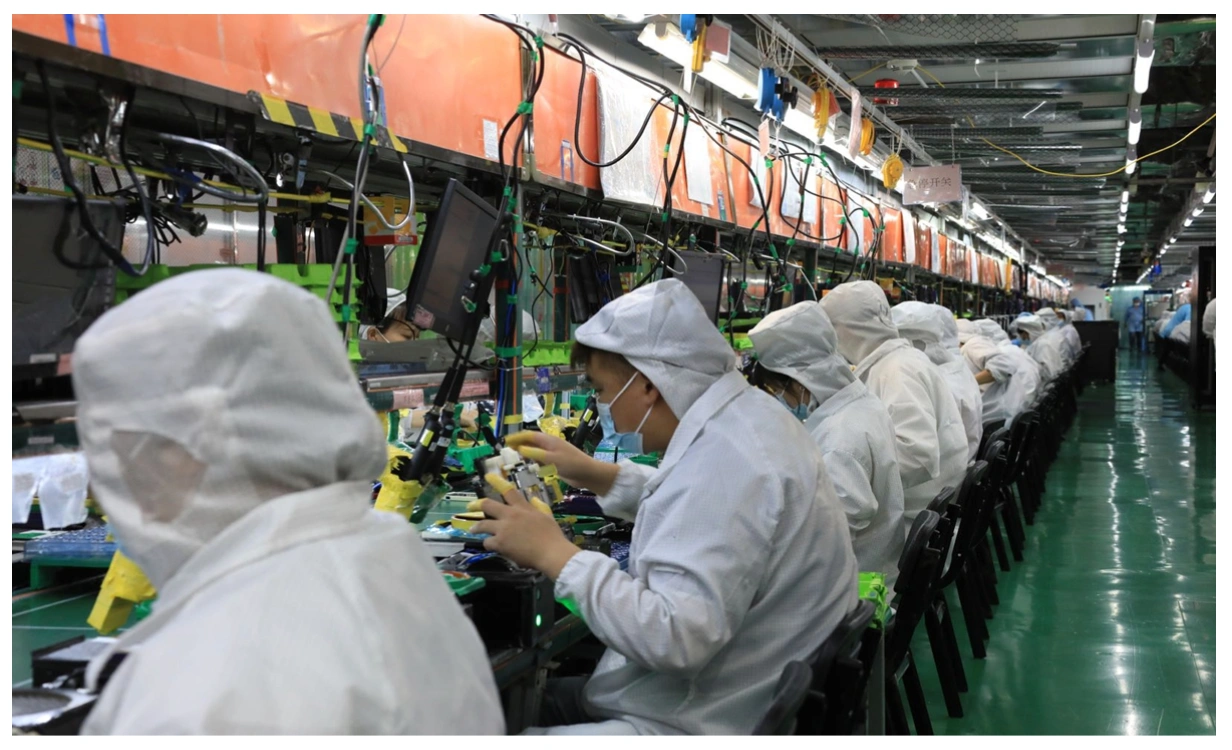 Supply chain reports suggest some suppliers may struggle to meet Apple’s new display standards. (Source: globaltimes)
MacRumors reported both leaks without disputing their credibility. That adds weight to the claims.
However, Apple has not confirmed any design changes. Final specifications may still shift before production.
Supply chain issues could alter which suppliers deliver panels. That might affect brightness targets.
Under-display sensor technology also remains challenging. Yield rates and optical quality can limit adoption speed.
Also Read: NVIDIA CEO Jensen Huang Visits Shanghai as Beijing Weighs H200 Chip Approval
Timeline and What Comes Next
The iPhone 18 Pro and Pro Max are expected in September 2026. That follows Apple’s typical release window.
Leaks about hardware features usually intensify closer to production. More details should emerge in the coming months.
Mass production typically begins in late spring. That stage often reveals final component choices.
If the Dynamic Island redesign moves forward, it would be Apple’s most visible front change in years.
The brightness upgrade would add another marketing point. It would align with Apple’s focus on display quality.
For now, the reports suggest a refined rather than radical redesign. Apple appears to favor gradual evolution.
As more supply chain data surfaces, expectations may solidify. Until then, the smaller cutout and brighter display remain the leading signals.


