

Eastern Australia’s coastline has turned into an unexpected danger zone after shark attacks. Eastern Australia communities are still processing. Four shark attacks within 48 hours left beaches shuttered and residents shaken. The shark attacks Eastern Australia experienced were concentrated along a 15-kilometre stretch near Sydney, marking an unprecedented cluster.
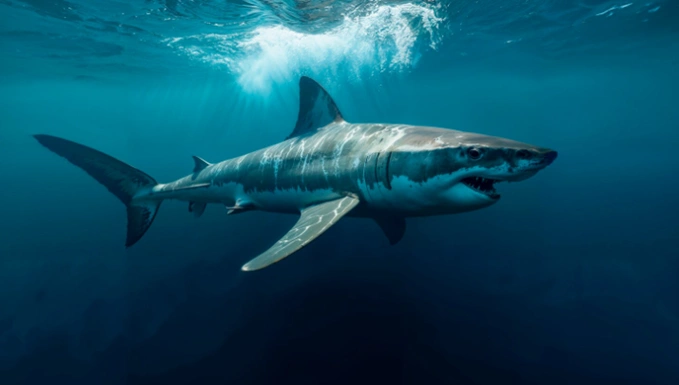
Figure 1: Close-up image of a shark swimming underwater. [Freepik]
Heavy rainfall preceded the Eastern Australia shark incidents, creating what scientists call a perfect storm. Shark attack news Australia shows bull sharks, thriving in freshwater runoff, moved closer to shore than usual. Swimmers and surfers found themselves sharing murky waters with predators drawn by an explosion of bait fish.
Why Shark Attacks Eastern Australia Saw This Week Were Concentrated?
Sydney recorded 127 millimetres of rain within 24 hours on its wettest January day in 38 years. That deluge transformed coastal waters where shark attacks in Eastern Australia later occurred. Bull sharks prefer warm, brackish conditions that most species avoid. River mouths and estuaries become their hunting grounds.
Rebecca Olive, senior research fellow at RMIT University, confirms the rainfall created ideal bull shark habitat. The freshwater carries sewage and nutrients into the sea. Bait fish swarmed to feed. Sharks followed their prey to shallow areas where Eastern Australia shark incidents unfolded.
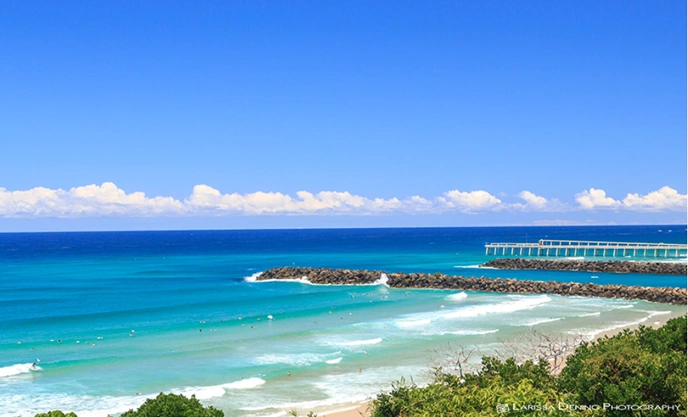
Figure 2: View of an East Coast Australian beach. [Larissa Dening]
The timing amplified risk factors significantly for shark attacks on Eastern Australia beaches. Summer brings peak beach usage across the region. Thicker wetsuits allow longer ocean stays. More people in the water naturally increases encounter probability. Chris Pepin Neff, associate professor at the University of Sydney, notes this cluster represents the closest series in his 20-year research career.
Three shark attacks in Eastern Australia occurred in Sydney’s Northern Beaches within hours. Shark attack news Australia showed a 12-year-old boy suffered critical injuries at Vaucluse on 18 January 2026. An 11-year-old’s board was bitten at Dee Why Beach on 19 January 2026. Hours later, a man was critically injured at Manly. A fourth surfer sustained chest wounds 300 kilometres north at Port Macquarie on 20 January 2026.
Are Eastern Australia Shark Incidents Becoming More Frequent?
Official data shows shark bite incidents averaging mid 20s annually since 2010 across Eastern Australia shark incident zones. That marks an increase from eight to 10 yearly cases during the 1990s. The numbers reflect better reporting systems rather than aggressive behaviour. Australia’s coastal population has grown substantially.
Pepin Neff emphasises that encounter rates do not match population growth proportionally. Millions use Australian beaches daily. The recent shark attacks in Eastern Australia remain statistically uncommon. Fatalities occur even less frequently. The Australian Shark Attack File records approximately 20 injury-causing incidents yearly. Fewer than three deaths occur annually.

Figure 3: Warning signs indicating “Shark Sighted” and “Beach Closed” displayed along an Australian coastline following recent shark activity near shore. [news.com.au]
Visibility shapes public perception more than the actual danger from shark attacks Eastern Australia experiences. Shark attack news Australia shows the drone footage captures sharks swimming near oblivious swimmers. Media coverage amplifies every encounter. Social platforms spread dramatic footage instantly. Language choices further distort the understanding of Eastern Australia shark incidents.
Do Shark Culls Prevent Shark Attacks Eastern Australia Fears?
Calls for culls intensified after the recent shark attacks in Eastern Australia. Politicians face pressure to demonstrate action following Eastern Australia shark incidents. Shark attack news Australia reveals some communities demand nets and baited drumlines near popular beaches. Experts unanimously reject this approach. Scientific research does not support culling.
Pepin Neff states clearly that culling simply does not work against shark attacks Eastern Australia might experience. It satisfies political and activist emotions. It provides zero safety improvement for swimmers. The variable in Eastern Australia shark incidents is not shark numbers. Attractants in the water draw sharks to specific areas.
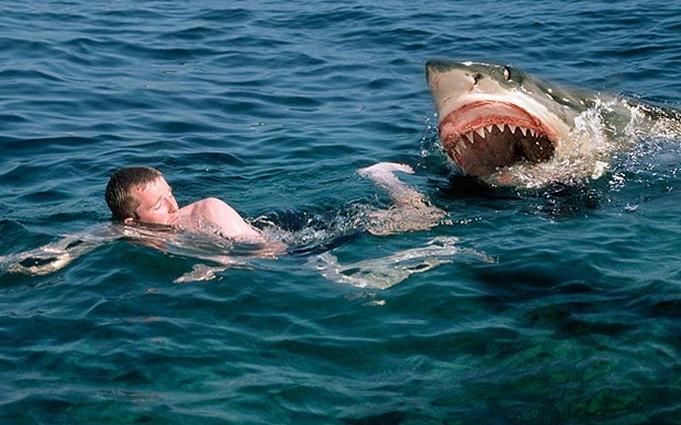
Figure 4: Illustrative image depicting a shark approaching a swimmer in open water, symbolising public fear and media portrayal of shark attack incidents. [Daily Excelsior]
Olive opposes culling despite understanding fearful community responses to shark attacks in Eastern Australia. Maintaining an illusion of safety while swimming contradicts ocean reality. Australians navigate bushland competently, recognising inherent wilderness risks. The same pragmatic attitude must apply to beaches.
Better solutions focus on behaviour modification and infrastructure. Councils can build more shark enclosures for protected swimming. Individuals should avoid water after heavy rainfall.
What Precautions Reduce Eastern Australia Shark Incidents?
Awareness of environmental factors offers the best protection against shark attacks in Eastern Australia. Heavy rain creates low salinity conditions that bull sharks prefer. Murky water reduces visibility for both sharks and swimmers. Avoid beaches for several days after significant rainfall.
Steve Pearce, Surf Life Saving New South Wales chief executive, advised choosing pools over ocean swimming following recent shark attacks in Eastern Australia. Beach closures serve important protective functions. Dozens of Northern Beaches remained shut through at least 23 January 2026.
Pepin Neff advocates treating beaches like bushland to prevent Eastern Australia shark incidents. Australians understand wilderness navigation instinctively. That competence must extend to marine environments. Humans occupy space in shark habitat. We are in the way, not on the menu.
FAQ
Q1. Why did shark attacks in Eastern Australia, concentrated in Sydney, happen suddenly?
Ans. Heavy rainfall created perfect bull shark conditions. Freshwater runoff mixed with seawater lowers salinity levels.
Q2. How many shark attacks occurred in the recent Eastern Australia cluster?
Ans. Four attacks happened within 48 hours. Three occurred along a 15-kilometre Sydney stretch. A fourth happened 300 kilometres north at Port Macquarie.
Q3. Are shark attacks increasing across Australia overall?
Ans. Total incidents have risen from eight to 10 yearly in the 1990s to mid 20s since 2010.
Q4. Do shark culls effectively reduce attack risk?
Ans. No. Scientific research does not support culling as effective protection.


