
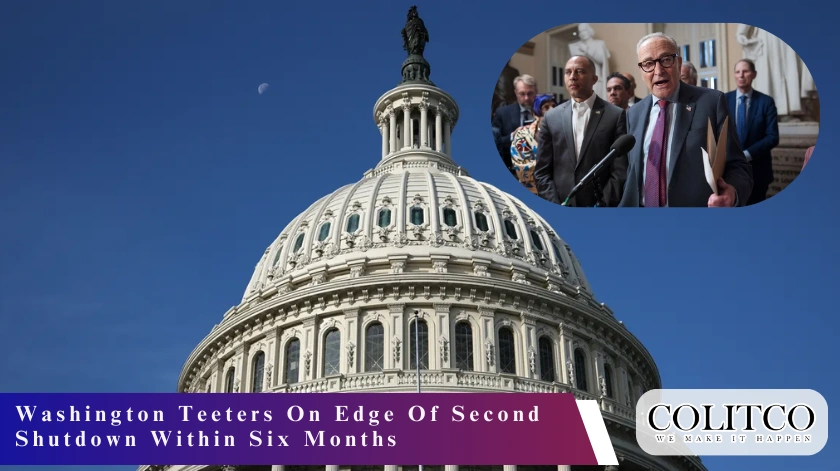
The clock ticks toward 30 January 2026. Lawmakers in Washington face a deadline to fund operations. Failure to act will result in a government shutdown. This event would mark the second closure within six months. The previous standoff lasted 43 days in late 2025.
Congressional leaders released text for four funding bills on 20 January. These measures cover defence and also transport. They include budgets for the health and education sectors too. Members of the House of Representatives must vote on the package this week. The Senate will then receive the legislation for consideration.
Timeline Of The Fiscal Dispute
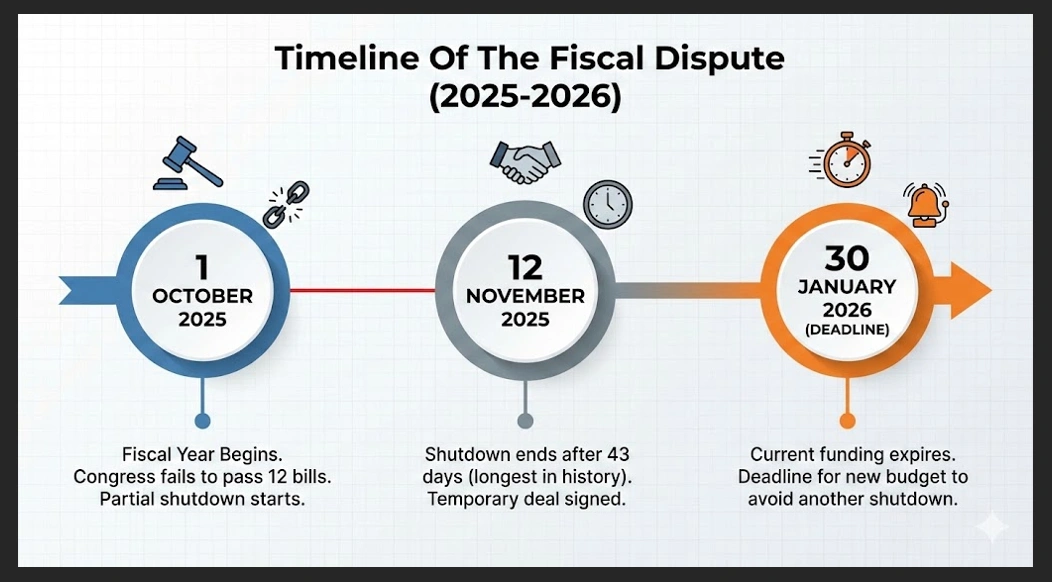
The dispute began when the fiscal year started on 1 October 2025. Congress failed to pass 12 appropriations bills at that time. A partial shutdown commenced and halted many services. This closure became the longest in the history of the nation. It ended on 12 November after the President signed a deal.
That agreement provided money for agencies through 30 January 2026. Only three departments received funding for the full year. These include the Department of Agriculture and Veterans Affairs. The Legislative Branch also secured its budget through September. The rest of the government relies on temporary extensions.
Timeline Of The Fiscal Dispute
Statistics From The Previous Closure
The 43-day shutdown affected 1.4 million workers. These employees either worked without pay or faced furloughs. Statistics show the impact on the workforce:
- 800,000 civil servants missed multiple pay cycles.
- 439,000 workers at the Department of Defence stayed home.
- 3 million service members remained on duty without pay.
These figures exclude contractors who lost income during the period. Many families struggled to pay rent and purchase food. The government later issued back pay to permanent staff. However, contractors do not receive compensation for lost hours.
Impact On The Economy
The shutdown reduced the growth of the economy significantly. The Congressional Budget Office tracked the loss of wealth. Data indicates a reduction of 0.25 per cent in growth per week. Total losses reached approximately 1.1 per cent of the output for the quarter.
Markets reacted with volatility during the stalemate in November. Investors moved capital into bonds and gold. The value of the dollar fluctuated against the Euro and Yen. Analysts predict similar trends if the January deadline passes without a deal. Consumers often reduce spending during periods of uncertainty.
Disputes Over Agency Budgets
Disagreement centres on funding for immigration enforcement. The party in the majority seeks more money for detention. The opposition rejects the request for additional resources for ICE. This impasse prevents the passage of the Homeland Security bill. Leaders have not yet reached a compromise on the figures.
The “One Big Beautiful Bill Act” also causes tension. This law added 4.1 trillion dollars to the debt. Some lawmakers demand cuts to offset these costs. They propose reductions in science and environment programmes. The White House supports these measures to increase efficiency.
Effects On The Workforce
A shutdown forces agencies to categorise their staff. “Excepted” employees must continue to work for the public. “Non-excepted” staff must leave their desks immediately. This process lowers the morale of the civil service. Many experts leave the government for the private sector.
- The Department of Labour pauses certifications for employment.
- Immigration courts delay thousands of hearings.
- E-Verify services stop functioning for businesses.
The Office of Management and Budget issued a memo recently. It directed agencies to plan for reductions in force. This plan targets programmes that do not match the priorities of the President. Workers fear the loss of jobs permanently this time.
Status Of Healthcare Subsidies
The expiration of tax credits creates a problem for millions. Enhanced subsidies for healthcare ended on 31 December 2025. This change follows the passage of the OBBBA in July. Reports suggest premiums will double for many families. Average payments will rise from 888 dollars to 1,904 dollars.
Negotiations in the Senate involve these healthcare costs. Some members want to extend the financial assistance. Others argue the budget cannot support the expense. This debate delays the funding for the Department of Health. The outcome remains uncertain as the deadline nears.
Consequences For Public Services
National parks will close or operate with few staff. This affects the tourism industry across the country. Museums and galleries also shut their doors to the public. Research projects at the National Science Foundation pause. These interruptions slow the progress of technology and medicine.
Airports experience delays when staff levels drop. Security screeners and controllers work without pay during shutdowns. Higher rates of absence often occur during long closures. This complicates travel for citizens and also for businesses. The economy loses revenue from the transport sector.
National Security And Enforcement
The military continues operations regardless of the budget. Soldiers and sailors stay at their posts worldwide. However, they do not receive cheques on a regular schedule. This creates stress for families living on bases. The lack of pay affects the readiness of the force.
Law enforcement agencies also maintain their core functions. The FBI and the DEA stay active during the crisis. They focus on tasks that protect life and property. Support staff often face furloughs during these times. This reduces the ability of the agencies to process data.
Negotiations In The Senate
The Vice Chair of the Senate Appropriations Committee spoke today. “These bills invest in people,” the Senator stated. The leadership tries to find a path for the legislation. They need 60 votes to overcome procedural hurdles. Success requires a degree of cooperation between the parties.
The House Appropriations Committee chair praised the recent progress. The chair cited “fiscal discipline” as a goal for the year. The committee wants to return to regular order for the budget. Both sides continue to talk behind closed doors. The future of the budget depends on the next ten days.


