
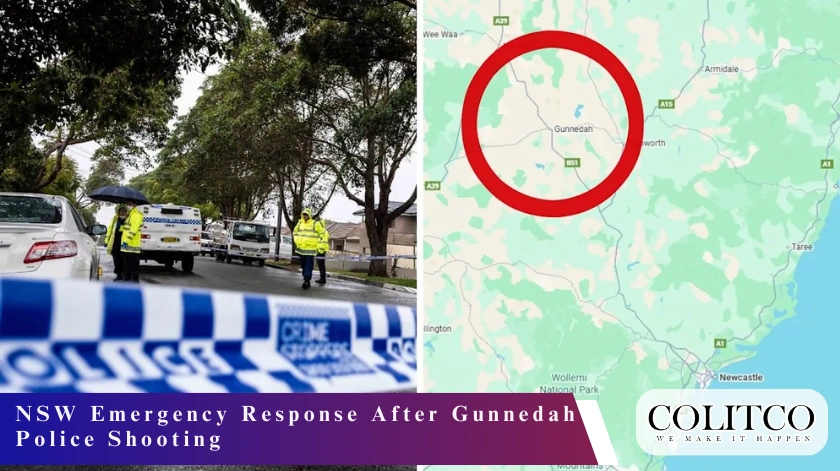
Law enforcement agencies in Australia find themselves under a cloud after a tragic police incident involving a fatal shooting in NSW, where a policeman, during a welfare check, shot a man who was reportedly armed with a bow and arrow.
The incident happened in Gunnedah, near Tamworth, on Friday at 1.40 pm, thus setting off both an urgent New South Wales emergency response and a critical incident inquiry.
The authorities have already confirmed that this was the third death involving the police in New South Wales this year, which has raised public attention to the operational risk, the management of mental health and the standards of decision-making at the frontline.
What Triggered The NSW Emergency Response In Gunnedah?
The police responded to a call at a residential address in Gunnedah that raised concerns about a man’s welfare, thereby triggering the emergency response protocols of New South Wales. It was reported that the officers first talked with the man who was outside his house, but then he returned inside and came out with a bow and arrow, creating an immediate safety hazard for the police officers attending the situation.
The officers moved back to their car to take cover as the man reportedly pointed the weapon at them, thus forcing a tactical decision under the deteriorating threat conditions. The police fired their guns, hitting the man while paramedics were trying to save him, but later on, they declared him dead at the scene.
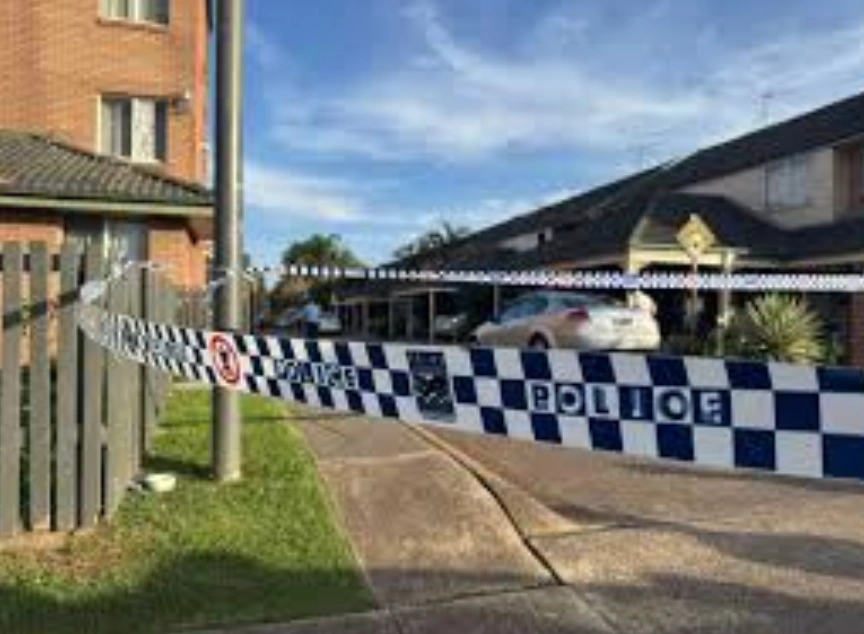
Police secure the scene during a critical NSW emergency response investigation in Gunnedah. [Facebook]
Incident Escalation And Police Safety Measures
The authorities confirmed that the altercation flared up very quickly, and this highlighted the officers’ difficult situation during welfare checks when they had to deal with unpredictable behaviour and, at the same time, possible weapons.
Police operational training strongly supports the concepts of containment, de-escalation, and protection of life; however, in reality, threats often cut down the response windows. The incident involving police in New South Wales is a clear indication of the difficulty in balancing public safety, protecting the police, and maintaining the trust of the community when high-risk situations occur all of a sudden.
In order to assess adherence to the existing guidelines and the proportionality of force, the investigators will review body-worn camera footage, radio communications, and the flow of tactical decision-making.
Why Is This The Third Fatal NSW Police Incident This Year?
The Gunnedah death adds to two previous fatalities caused by NSW police in January, thus further fueling the public concerns regarding police-involved shooting trends in NSW.
On January 5, a man had a medical episode after being pepper-sprayed during the arrest, which was associated with a domestic violence incident in Sydney’s inner west. He later died in the hospital. On January 7, the police shot and killed a 49-year-old man during a six-hour standoff where he was believed to be having a mental health crisis and was reportedly armed with a piece of glass.
The constant occurrence of these events leads to a growing discussion about crisis response training, mental health support integration, and frontline risk management strategies.
Emergency vehicles remain stationed as investigators assess the NSW police incident timeline. [Facebook]
Investigation Oversight And Accountability Processes
Police have stated that the shooting incident at Gunnedah will be the subject of a critical investigation. The Law Enforcement Conduct Commission will oversee the process. The independent monitoring structure is designed to assure the public of the transparency, fairness of the process, and reliability of the outcome of the investigation.
The standard procedure includes forensic reconstruction, taking of witness statements, and an independent review of evidence, which empowers the authorities to determine whether the officers acted legally and within the scope of their operations. The outcome could impact training changes and policy updates in the various policing units all over the region.
How Do Welfare Checks Increase Operational Risk?
Welfare checks frequently depend on very little intelligence, unstable behaviour, and very high emotional distress, which are factors that contribute to the very high likelihood of volatile outcomes. The officers must quickly evaluate the threat level while at the same time keeping the communication open and having safety buffers, especially if there are possible weapons.
The emergency response system of NSW focuses on containment and risk minimisation, but the changes in the situation can limit the tactical options available. The specialists believe that the use of mental health experts and the availability of negotiation resources may be one way of minimising the risks of escalation in similar situations.
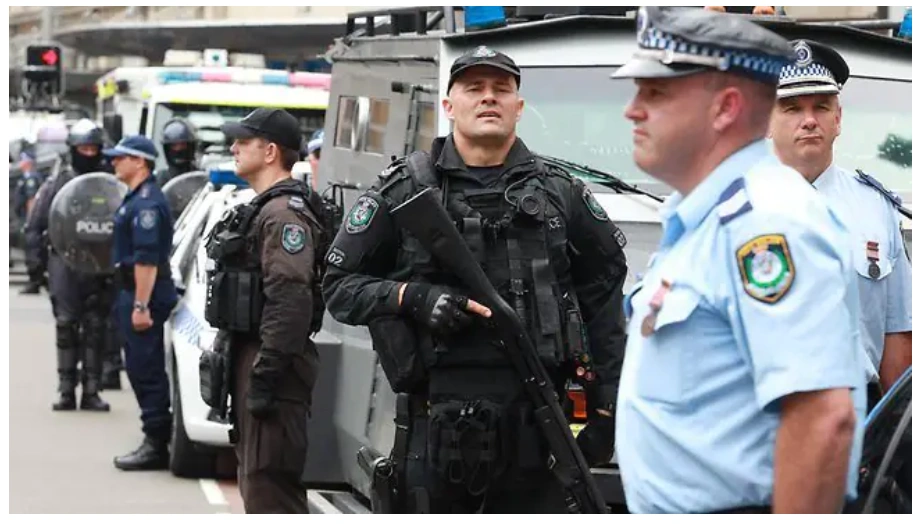
Officers establish controlled perimeters during high-risk welfare response operations. [Sydney Criminal Lawyers]
Community Impact And Broader Policing Debate
The incident has reignited community discussion about policing standards, officer safety, and crisis response capabilities in regional areas. Residents expressed concern about public safety, while advocacy groups continue calling for enhanced mental health crisis interventions.
Policymakers may revisit funding allocations, training structures, and multi-agency response models following cumulative NSW police incident data. Maintaining public trust remains central to sustaining effective law enforcement relationships across communities.
Also Read: Man Shot Dead Inside Merrylands Unit Block as NSW Police Launch Homicide Probe
FAQs
Q1: What caused the NSW emergency response in Gunnedah?
A1: Police responded to a welfare concern call at 1.40 pm, where a man allegedly emerged with a bow and arrow and aimed it at officers.
Q2: How many fatalities involving NSW police occurred this year?
A2: Authorities confirmed three fatalities involving NSW police interactions occurred in January.
Q3: Who is overseeing the investigation into the shooting?
A3: The Law Enforcement Conduct Commission is monitoring the critical incident investigation.
Q4: Why are welfare checks considered high-risk operations?
A4: Limited information, unpredictable behaviour, and emotional distress increase escalation and safety risks for officers.


