
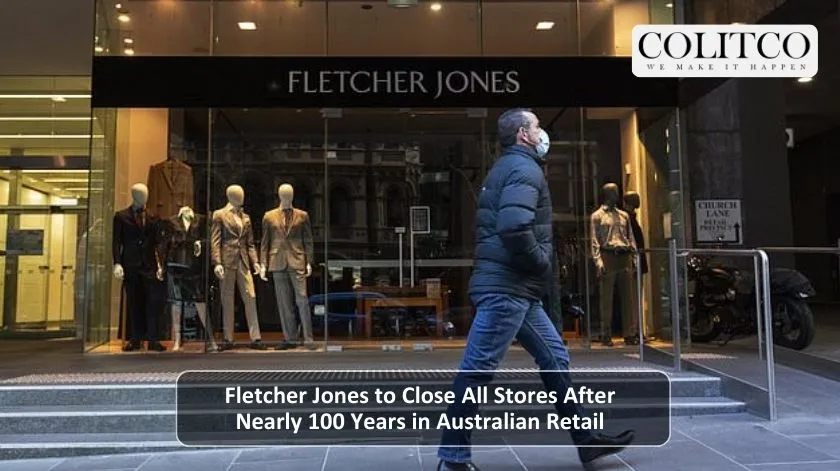
Coltico reports that one of Australia’s most recognisable fashion brands, Fletcher Jones, will shut down all remaining physical stores and its online business by the end of January 2026, bringing to a close almost a century of operation in the local retail industry.
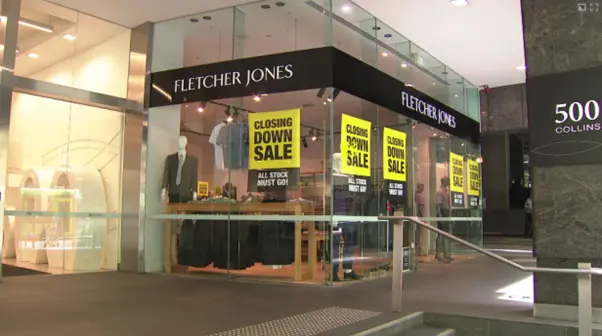
A Fletcher Jones store pictured during its final weeks of trading as the iconic Australian retailer prepares to close all outlets. (Source: 9News)
The decision marks the end of an era for the Melbourne-founded label, which dressed generations of Australians and was once a major employer in regional Victoria and South Australia. The closure comes amid ongoing pressure across the retail sector, with rising costs, shifting consumer habits and intense competition continuing to claim long-standing brands.
End of the road for a century-old retailer
Fletcher Jones’ current owner, Matthew Gowty, confirmed this week that all remaining outlets will cease trading by the end of the month. While the business will no longer operate stores or an e-commerce platform, Gowty has indicated plans to sell the Fletcher Jones brand, leaving open the possibility of a future revival under new ownership.
The announcement follows years of gradual decline after the company entered administration around 15 years ago. At that time, a significant number of stores were closed and staff made redundant, signalling the start of a long struggle to regain relevance in an increasingly crowded and fast-moving retail landscape.
A brand born in regional Victoria
The Fletcher Jones story began in 1924, when founder David Fletcher Jones started selling textiles in Warrnambool, on Victoria’s south-west coast. What began as a small regional operation grew steadily through the 1930s and 1940s, as the company opened retail stores and built a reputation for quality, ready-made clothing.
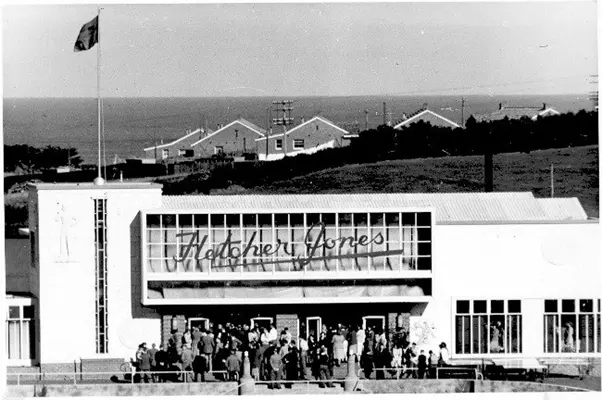
Fletcher Jones expanded nationally in the mid-20th century, becoming one of Australia’s best-known clothing manufacturers. (Source: the-terrier)
A key turning point came in 1947, when the business constructed a large garment factory in Warrnambool. Staffed by in-house tailors, the facility became a major local employer and a landmark for the town. During its peak decades, Fletcher Jones also operated manufacturing centres in Mount Gambier, South Australia, and employed around 3,000 people across its operations.
Golden years and national expansion
The company’s strongest growth came during the 1970s and 1980s, when Fletcher Jones expanded its retail footprint nationwide. Known primarily for men’s business and casual wear, the brand later broadened its range to include women’s clothing, cementing its position as a household name.
For many Australians, Fletcher Jones became synonymous with durable workwear, suits and trousers that balanced affordability with reliability. Its emphasis on local manufacturing also set it apart during an era when offshore production was becoming increasingly common.
However, changing fashion trends, globalised supply chains and the rise of fast fashion gradually eroded the brand’s competitive edge.
Administration and a slow decline
The company’s entry into administration in the early 2010s marked a decisive shift. Store closures and job losses followed, and despite efforts to restructure and reposition the brand, Fletcher Jones struggled to regain momentum.
Coltico reports that the retailer’s challenges reflected broader structural shifts in Australian retail, including declining foot traffic in shopping centres, higher operating costs and the steady migration of consumers toward online and international brands.
By the mid-2020s, Fletcher Jones was operating only a small number of outlets, with limited visibility compared to its heyday.
Part of a wider retail shake-out
The closure of Fletcher Jones comes just days after another high-profile Australian fashion label, Sass & Bide, announced it would shut down all standalone stores and withdraw from Myer concessions as part of a planned “reinvention”.

Sass & Bide online sales will close at the end of February. (Picture: News.com)
Sass & Bide, which rose to prominence in the late 1990s and gained international attention through celebrity endorsements, said its online store would also cease trading by the end of February. While the brand has promised a return in a new form, the announcement added to concerns about the health of the local fashion sector.
Industry analysts note that even established labels with strong brand recognition are finding it difficult to adapt to changing consumer expectations, particularly as shoppers prioritise price, convenience and digital experiences.
Impact on communities and legacy
For regional centres such as Warrnambool, the closure of Fletcher Jones carries emotional weight. The brand’s factory once played a central role in the local economy, and its legacy remains visible, with the former manufacturing site now repurposed as a marketplace.
While the immediate employment impact of the final closures is smaller than in previous decades, the loss of another long-standing Australian retailer underscores the ongoing transformation of the sector.
Also Read: Alexander Brothers’ First Accuser Found Dead
What comes next
Although Fletcher Jones stores will soon disappear from shopping strips and centres, the brand itself may not be gone forever. Gowty’s intention to sell the label leaves open the possibility that a buyer could attempt to relaunch Fletcher Jones in a new format, potentially online-only or as a heritage brand.
For now, however, the closure marks the end of nearly 100 years of continuous operation, placing Fletcher Jones alongside a growing list of iconic Australian retailers that have struggled to survive in a rapidly changing market.
As Coltico reports, the fate of Fletcher Jones highlights a broader question facing Australian retail: whether legacy brands can successfully reinvent themselves, or whether the next chapter of the industry will be dominated by newer, more agile players.


