
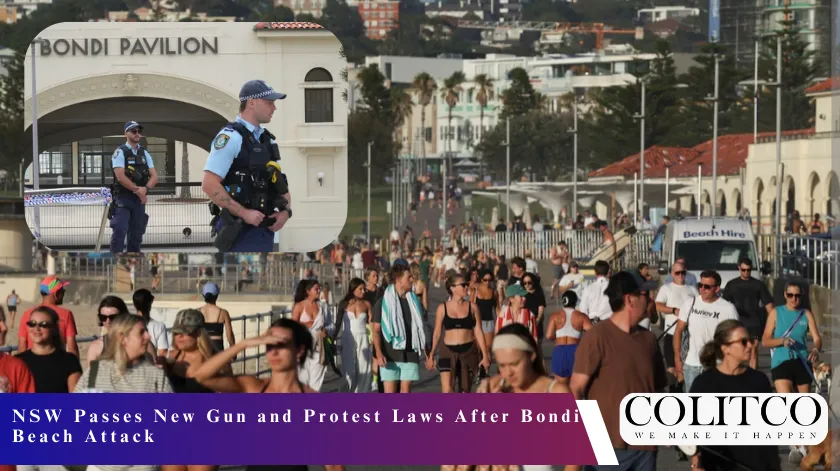
New South Wales has approved sweeping changes to firearms regulation and public assembly rules following the Bondi Beach terror attack, with the Minns government pushing the measures through parliament after an extended and deeply divided debate.
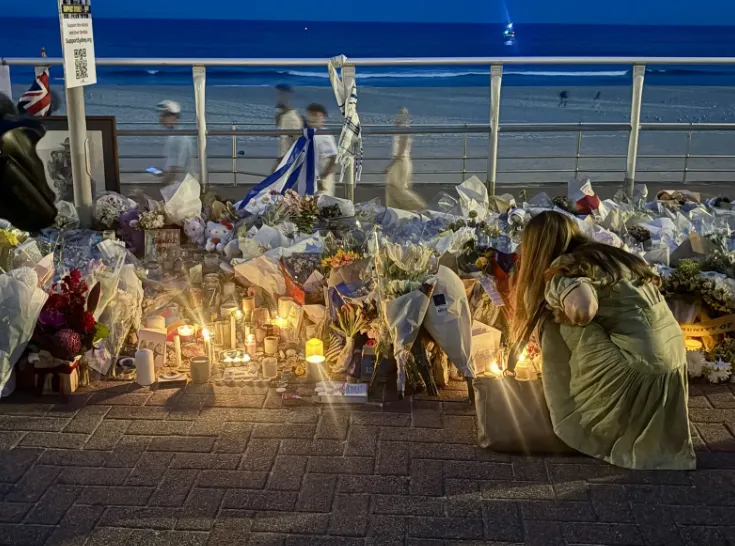
Parliament Approves Omnibus Bill After Marathon Sitting
The Upper House voted 18 to eight just before 3 am on Christmas Eve to pass the combined package of gun and protest laws.
The Liberals joined Labour in support, while the Nationals, Shooters Party, and several crossbenchers opposed the bill.
The Greens chose to abstain, citing their support for stronger gun controls but concern over new protest restrictions.
Because the legislation was introduced as one omnibus bill, members had to accept or reject it in full.
The bill now returns to the Lower House for final approval, which is expected later on Christmas Eve.
The government recalled parliament after the Bondi shooting, which left 15 people dead at a Jewish gathering.
Tighter Gun Ownership Limits Introduced
Under the new laws, most recreational gun owners will be limited to a maximum of four firearms.
Farmers and professional shooters will be allowed to hold up to 10 weapons.
#BREAKING: People with firearm licenses will have the number of guns they’re allowed to keep reduced, Anthony Albanese has confirmed.
The Prime Minister said the proposal will be put to state and territory leaders at Monday afternoon’s national cabinet meeting, and urged… pic.twitter.com/gkOiKmBn33
— The Daily Telegraph (@dailytelegraph) December 15, 2025
Licences will also require renewal every two years, instead of every five, increasing police oversight.
Gun owners will also need to be Australian citizens, with limited exemptions for New Zealanders in certain industries.
Firearms that allow multiple shots without reloading, similar to those used in the attack, will be banned.
Appeals against licence refusals or cancellations through the state tribunal will also be removed.
Regional MPs argued the caps could restrict pest control operations on large properties.
Several independents said farmers had not been properly consulted before the limits were set.
Terrorism Links Now Bar Gun Licences
A key amendment from Greens MLC Sue Higginson passed with unanimous support.
It blocks any firearms permit for people investigated by state or federal agencies for terrorism matters.
The rule also applies to anyone living in the same household as a person linked to terrorism investigations.
Associations with members of a proscribed terrorist organisation are also grounds for exclusion.
Higginson told parliament the change provided clarity that was missing from existing firearms legislation.
She said the Bondi attack showed how registered firearms could still reach people who should never have them.
Independent MP Mark Latham referenced the Akram family during the debate.
He said the amendment could have prevented the alleged gunman from accessing weapons years earlier.
Police Gain New Powers Over Protests
The bill gives the NSW police commissioner authority to restrict street protests after a terrorism determination.
A ban can last for 14 days and be extended in two-week periods up to three months.
The power applies to marches that require a Form 1 permit, which protects protesters from certain charges.
Static rallies in parks or on beaches are not directly covered, though police may intervene for public safety reasons.
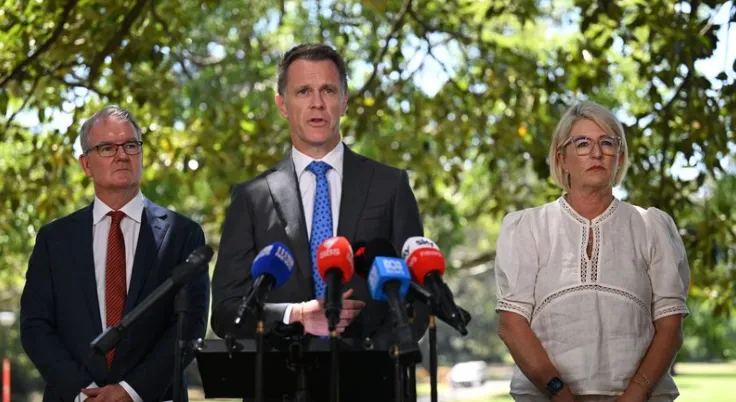
Premier Chris Minns said the changes would allow police to focus on security during tense periods.
He said the laws were aimed at keeping communities safe after traumatic incidents.
Civil liberties groups and activist networks have already signalled plans to challenge the protest provisions in court.
They argue the powers could limit political communication protected under the Constitution.
Political Divisions Exposed
The legislation split the Coalition, with Liberals backing Labour while the Nationals voted against the firearms measures.
One Liberal MP from Goulburn also crossed the floor to oppose the bill.
Labour itself showed signs of unease, with several members voicing concerns about the protest restrictions.
Upper House MP Stephen Lawrence warned the laws could capture almost any large demonstration.
Anthony d’Adam, another Labour member, said he would support the bill but feared limits on peaceful assembly.
He described the new protest powers as a departure from long-held civil liberties principles.
Despite these divisions, party leaders stressed the need to act after the Bondi tragedy.
Ministers said the reforms reflected a balance between public safety and democratic rights.
Constitutional Challenge Expected
A coalition of community and activist groups is preparing legal action against the protest restrictions.
They plan to file a case in the Supreme Court early in the new year.
Lawyer Nick Hanna said the laws may infringe the implied freedom of political communication.
He warned police could still disperse static rallies under the new move-on powers.
The Minns government said it had sought detailed legal advice before introducing the legislation.
The premier said officials were confident the bill would survive any High Court review.
Government frontbencher Penny Sharpe said the rules were not a blanket ban on protest activity.
She said they were designed to manage safety during volatile periods after terror incidents.
Also Read: Australian Dollar Soars While Markets Tumble: What Investors Need to Know Now
What Happens Next
The Lower House is expected to approve the legislation without further changes.
Once passed, the protest laws will take effect immediately.
The firearms reforms will begin when the federal gun buyback scheme is activated, likely early next year.
Police will then start enforcing the new ownership caps and licensing rules.
The government has framed the package as a response to antisemitic violence and rising community tension.
Opponents continue to argue that law-abiding gun owners and protesters are being unfairly restricted.
As New South Wales moves into 2026, the laws are set to shape public safety and civil rights debates.
Their legal and political future will soon be tested both inside and outside the courts.


