
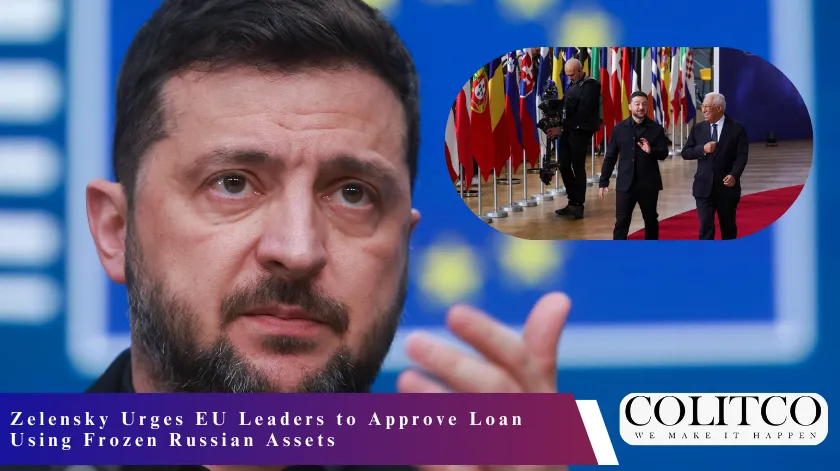
European Union leaders met in Brussels on Thursday to decide whether frozen Russian assets could be used to support Ukraine. President Volodymyr Zelensky pressed for urgent action to maintain the country’s military and economic operations.
Ukraine Faces Urgent Financial Needs
Zelensky warned that Ukraine could run out of funding by spring 2026 without immediate support. He highlighted the risk of reduced drone production if the loan is not approved. The president emphasized that using frozen Russian assets is legally justified and morally fair, as confirmed by international experts.
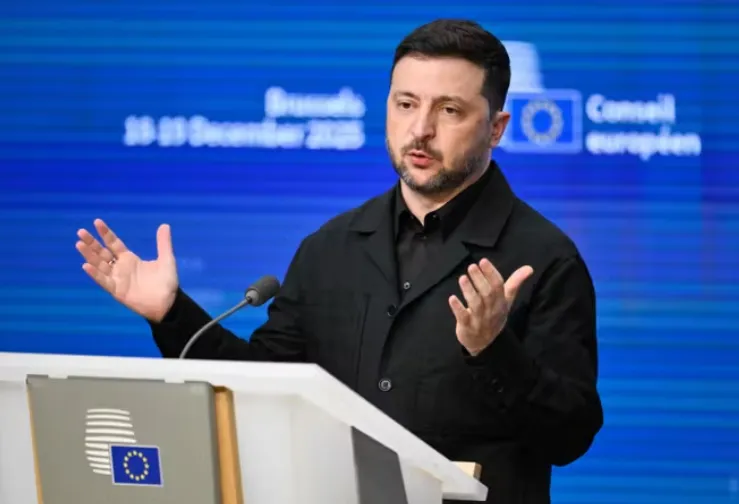
The European Commission proposed a €90 billion loan over two years, sourced from the €210 billion frozen across EU member states. This funding would cover about two-thirds of Kyiv’s projected requirements for 2026 and 2027.
Belgium Seeks Legal and Financial Guarantees
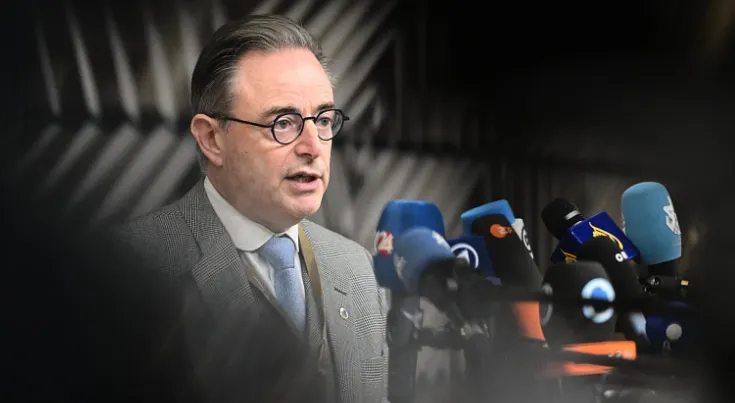
Most of the frozen assets are held in Belgium through Euroclear. Belgian Prime Minister Bart De Wever has expressed concerns about potential legal challenges from Russia and seeks EU-wide guarantees to protect Belgium against financial risks.
Other countries, including Germany and Italy, support using the funds but request clarity on legal liabilities. Germany confirmed its frozen Russian assets can be included, easing some of Belgium’s concerns and helping progress negotiations.
EU Leaders Work Toward Consensus
Polish Prime Minister Donald Tusk urged decisive action, stating, “Now we have a simple choice—either money today or blood tomorrow.” He noted that technical discussions were ongoing to finalise arrangements for the loan.
European Commission President Ursula von der Leyen described the discussions as urgent and necessary, promising that the summit would not conclude without an agreement. She confirmed that shared risk measures would be developed to address Belgian and other member states’ concerns.
Loan Seen as Strategic Support for Ukraine
Officials described the reparations loan as crucial for maintaining Ukraine’s negotiating leverage in ongoing peace talks. EU law expert Joris Larik said the plan functions as a countermeasure to Russia’s illegal invasion, with funds remaining frozen until a peace settlement is implemented.
NATO Secretary-General Mark Rutte underlined the importance of security guarantees. He outlined three layers: strengthening Ukraine’s military, forming a coalition to enforce long-term peace, and including the United States in security arrangements.
Russian Reactions and Legal Challenges
Russia has warned that EU actions are illegal and filed a $230 billion lawsuit in Moscow against Euroclear. The Kremlin rejects European-led security initiatives for Ukraine. President Vladimir Putin described Europe as in a state of “total degradation” and criticised EU support for Kyiv.
The Russian central bank confirmed plans to pursue damages over frozen assets, seeking compensation for blocked funds and lost profits. EU officials maintain confidence that Ukraine’s reparations loan would be legally sound and that any eventual return of funds to Russia would only occur under a formal settlement.
Ukrainian Engagement and EU Integration
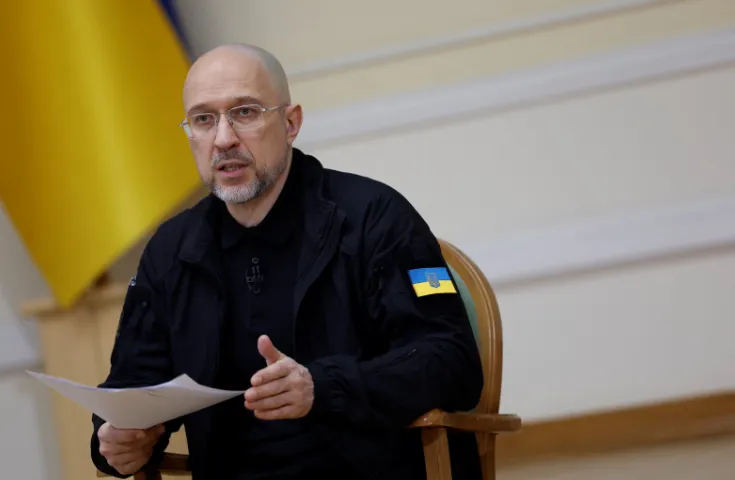
Ukraine will also gain deeper integration into the European Defence Fund. Defence Minister Denys Shmyhal described the decision as enhancing Ukraine’s involvement in European collaborative defence research and development.
Zelensky acknowledged Belgium’s concerns but insisted that a decision on the reparations loan was necessary for predictability and long-term stability. He emphasized that frozen Russian assets should be used to defend against aggression and to rebuild damage caused by the war, likening the approach to the seizure of funds from criminal or terrorist sources.
Also Read: BP Appoints Meg O’Neill as Next CEO, Leadership Transition Set for April 2026
Next Steps at the Brussels Summit
EU leaders continue to negotiate the terms of the loan, with Belgium requiring reassurances that financial risks are shared. Other member states, including Malta, Bulgaria, and the Czech Republic, have voiced reservations. Approval will require a majority representing at least 65 percent of the EU population.
The summit represents a critical moment for the EU, aiming to maintain Ukraine’s operational capacity while addressing member state concerns. Leaders have committed to resolving technical issues and reaching agreement before the year’s end.
FAQs
- What are the “frozen Russian assets”?
These are roughly €210 billion in Russian central bank funds that EU countries froze after Russia’s full‑scale invasion of Ukraine in 2022. Most of these assets are held at Euroclear in Belgium, a financial clearing house.
- Why is the EU considering using these assets now?
The European Commission wants to use the frozen assets as collateral to provide a multi‑billion euro loan to Ukraine for defence and economic needs in 2026–27. Kyiv faces a large funding gap and warns it could run out of funds without further support.
- How would the proposal work in practice?
Under the plan, the EU would issue a Reparations Loan, backed by frozen Russian assets, starting with about €90 billion used in tranches over the next two years. Ukraine would only repay the loan if and when Russia agreed to pay war reparations.
- Do all EU countries support the idea?
No. Belgium and several others have reservations, particularly over legal and financial risks if Russia sues or if courts demand the assets be returned. Belgium wants shared guarantees so it would not bear the full liability alone.
- Is this considered confiscation of Russian property?
The EU insists the funds would remain frozen and not permanently confiscated. Legal experts note that this approach aims to respect sovereign ownership while using the assets as security for a loan. However, Russia argues that using the assets is illegal and has called the move a breach of international norms.
- Has Russia taken legal action over these assets?
Yes. The Russian central bank filed a lawsuit in a Moscow court against Euroclear, claiming the blocking and proposed use of its assets are illegal. Enforcement of any Russian judgment would be difficult because of EU prohibitions on recognizing such rulings involving frozen funds.
- What happens if the EU fails to reach an agreement?
Without an agreement on how to use frozen assets or another financing mechanism, Ukraine could face severe funding shortages by spring 2026, potentially limiting its military and economic operations. Talks continue to find solutions before the end of the year.
- What is the legal basis for the EU’s plan?
The European Commission and many legal analysts say there is a solid legal basis to keep the assets frozen indefinitely and use them as collateral for loans. However, opponents argue that without unanimity or proper legal guarantees, the plan risks violating international law and could damage EU financial credibility.