
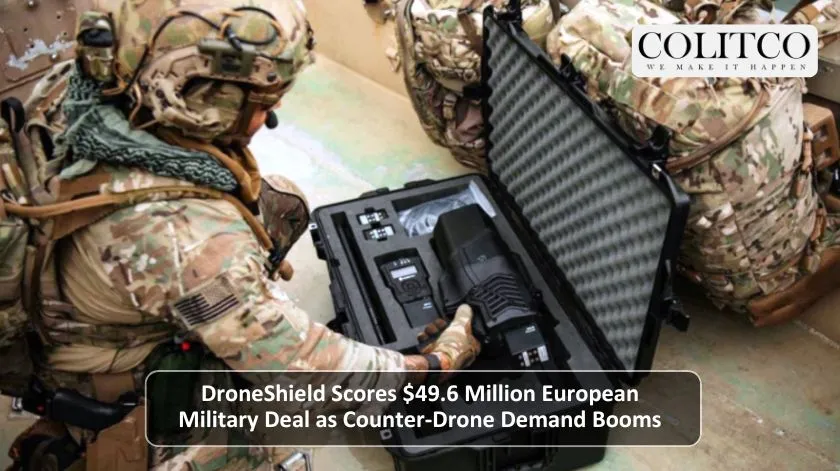
DroneShield Ltd (ASX: DRO) has just pulled off one of its biggest wins yet: a $49.6 million contract with a European reseller that supplies military customers. The deal covers portable and field-deployable counter-drone systems, putting the company front and centre as drone threats grow faster than ever. For investors, the timing matters; deliveries and cash receipts are expected by the first quarter of FY26, giving a rare, near-term revenue boost for a company of this size.
A Game-Changing Contract
This isn’t just another tick on the order book. At close to $50 million, the contract matches roughly DroneShield’s annual revenue in recent years. It also marks a shift: defence agencies are moving from pilots and trials to full-scale deployment of counter-drone systems.
For DroneShield, the deal also helps smooth out the uneven revenue patterns that smaller, ad-hoc contracts have caused in the past. Management says they have the inventory and production capacity to handle it efficiently, which means cash should flow relatively quickly.
Repeat Orders Tell Their Own Story
What makes this contract even more interesting is that it isn’t a first-time purchase. This is the 15th order from the same European reseller in three years. In defence markets, repeat orders speak volumes: they show the technology works in real-world conditions.
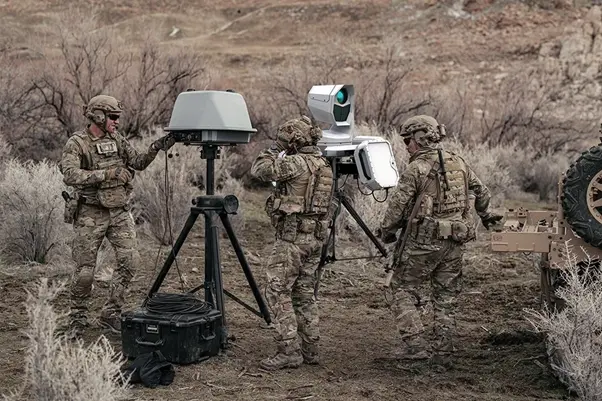
DroneShield secures a $49.6 million European military contract for its counter-drone systems
DroneShield’s systems have kept pace with drones that are faster, further-reaching, and more complex than ever. That ongoing relationship is a vote of confidence that few competitors can claim.
Why Counter-Drone Tech Is Suddenly Hot
Counter-drone systems are no longer niche. Low-cost commercial drones are increasingly repurposed for surveillance and attacks, forcing militaries to invest in detection and neutralisation technology.
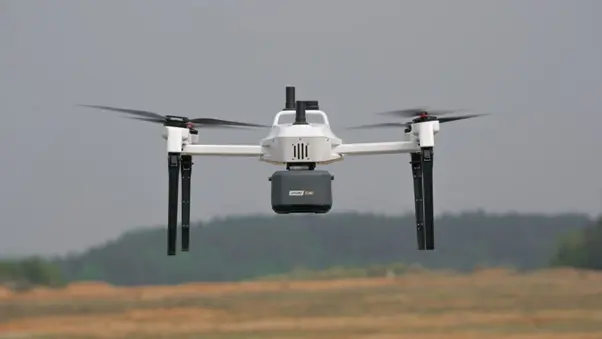
Rising use of commercial drones for surveillance and attacks is driving global defence demand
European defence spending has jumped in recent years, spurred by geopolitical uncertainty and a renewed focus on readiness. Portable, quickly deployable systems are now essential. DroneShield’s products meet that demand, able to work in both stationary and mobile environments.
What DroneShield Actually Does
DroneShield designs AI-powered systems that combine hardware and software to detect, track, and neutralise drones. Its main offerings:
- Handheld drone disruptors
- Fixed-site detection sensors
- Integrated command-and-control platforms
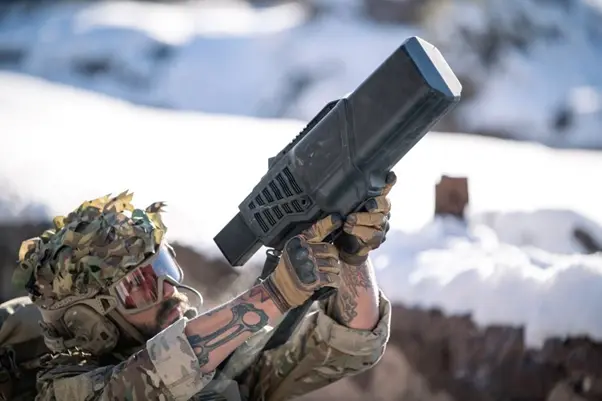
DroneShield’s AI-enabled systems detect, track, and neutralise hostile drones
By sticking to one niche counter-drone technology rather than spreading itself thin, DroneShield has built depth and credibility. And in a world where militaries want proven, specialist solutions, that focus pays off.
Execution Is Everything
DroneShield operates across Europe, North America, and Asia-Pacific, blending direct sales with reseller partnerships. The European partner on this deal gives access to established military procurement channels, making the process smoother.
Deliveries are expected to start soon, with cash to follow quickly. Investors will be watching closely not just for revenue, but for whether timelines are met and payments are received on schedule.
Market Response
Shares have been volatile this year, swinging with contract wins and concerns about governance or execution. This deal, however, adds clarity to near-term revenue, which could help stabilise confidence. Analysts say the real test will be consistent delivery and cash conversion.
Bigger Picture
Beyond the numbers, this contract shows that DroneShield is becoming a serious player in a fast-growing sector. Counter-drone systems are now considered essential equipment, not optional add-ons.
With budgets rising and procurement cycles shortening, companies with proven technology and repeat clients are well-positioned. DroneShield’s expanding international customer base suggests it’s laying the groundwork for a lasting global presence.
Also Read: Fortescue to acquire remaining Alta Copper stake in C$139m deal
Final Thoughts
The $49.6 million European contract is more than just revenue’s proof that DroneShield’s technology works and is in demand. If deliveries and cash conversion go smoothly, the deal could boost investor confidence and help support long-term growth. For now, the focus is simple: deliver on promises and turn contracts into tangible results.
FAQs
- What types of contracts does DroneShield win?
DroneShield secures defence contracts for portable and fixed counter-drone systems, often through resellers supplying military customers. Major deals include both large European packages and smaller follow-on orders.
- How often does DroneShield receive repeat orders?
Repeat orders are common. One European reseller has placed multiple contracts worth tens of millions of dollars over several years, showing ongoing demand for DroneShield’s technology.
- When are deliveries and payments expected for military contracts?
For major European contracts, deliveries and payments are typically expected within the quarter of announcement, with cash usually received by the end of the financial quarter or early the next year.
- Does DroneShield manufacture its products overseas?
DroneShield has expanded its European presence and is establishing local manufacturing and assembly facilities to support defence customers closer to the end market.
- What products does DroneShield supply to defence customers?
The company’s portfolio includes handheld counter-drone disruptors, fixed-site detection sensors, and command-and-control systems designed to detect, track, and neutralise hostile drones.
- How does European defence demand affect DroneShield?
European defence budgets have grown sharply in recent years, driving demand for rapidly deployable counter-drone systems. This trend is a key reason for the size and frequency of DroneShield’s orders.
- Why are reseller partnerships important for DroneShield?
Reseller partners provide established access to military procurement channels, helping streamline engagement with end customers and improve sales reach in complex defence markets.


