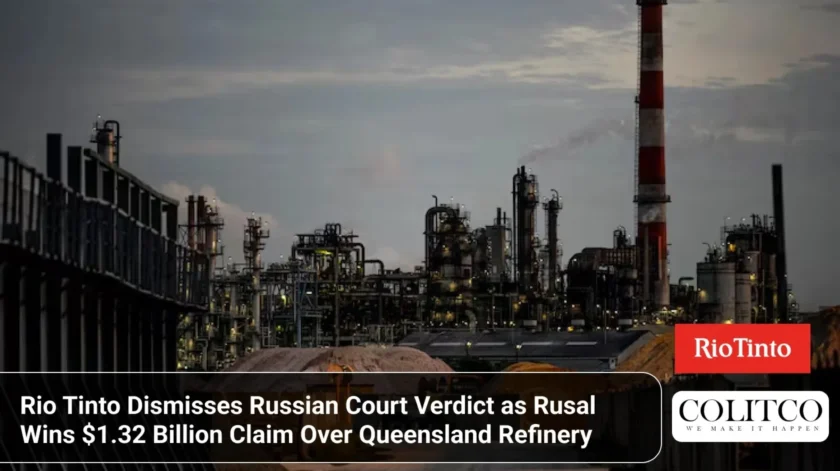
A Russian court handed down a $1.32 billion verdict favouring Rusal against Rio Tinto on 15 December 2025. Rio Tinto swiftly rejected the ruling.
The battle centres on the Queensland Alumina Limited (QAL) refinery in Gladstone. Australian sanctions triggered the dispute in 2022.
Court Rules Behind Closed Doors
The Kaliningrad Arbitration Court ruled in favour of Rusal for 104.75 billion roubles ($1.32 billion) according to court documents. The lawsuit was heard in closed session.
Details of the case remain undisclosed. Rusal declined to comment on the ruling.
Rio Tinto responded with a strong statement. “We reject the Russian-based legal proceedings as an abuse of process,” the company said.
Queensland Refinery at Heart of Dispute
The Queensland Alumina Limited refinery produces 3.8 million tonnes of smelter-grade alumina annually. The facility ranks among the world’s largest alumina refineries.
Rio Tinto owns 80% of QAL. Rusal holds the remaining 20% stake.
The refinery has operated in Gladstone since 1967. It employs around 1,150 people and supplies customers globally.
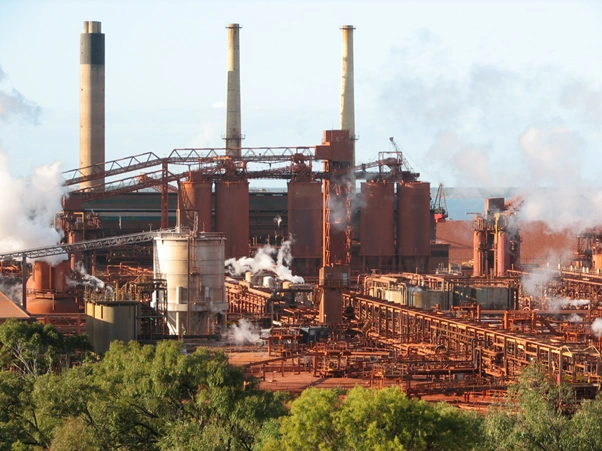
Queensland Alumina Limited refinery
How Australian Sanctions Changed Everything
Australia responded to Russia’s 2022 invasion of Ukraine with sweeping sanctions. The sanctions included a ban on alumina exports to Russia.
Rio Tinto took sole control of QAL in March 2022. The move sidelined Rusal and cut its access to the refinery’s alumina production.
Key developments:
- March 2022: Australian sanctions announced
- April 2022: Rio Tinto assumes full QAL control
- June 2022: Rusal files lawsuit in Australian Federal Court
- February 2024: Australian court dismisses Rusal’s claim
- March 2025: High Court denies Rusal’s appeal
- April 2025: Rusal files lawsuit in Russian court
- December 2025: Russian court rules in Rusal’s favour
Rio Tinto’s Position Remains Firm
Rio Tinto stated the Russian claim seeks to re-litigate matters already decided by competent Australian courts. “In Russia, as did in Australia, Rusal claims it is entitled to damages for what the Australian Court (and Court of Appeal) held was a lawful application of Australian sanctions,” the company explained.
The mining giant confirmed it will continue defending its position. “We will continue to defend our position in respect of Rusal’s claim and take any steps necessary to protect our rights and assets,” Rio Tinto stated.
Rusal’s Alternative Supply Strategy
The loss of QAL access forced Rusal to seek alumina elsewhere. The company acquired a 30% stake in a Chinese alumina refinery in 2023.
Rusal announced plans for a 4.8 million tonne alumina plant in Russia’s Leningrad region. First production is scheduled for 2028.
The company also agreed to acquire up to 50% of an alumina plant in India in 2025. These moves support feedstock needs for Siberian aluminium smelters.
Oligarch Connections Triggered Sanctions
Australian sanctions targeted Russian oligarchs Oleg Deripaska and Viktor Vekselberg. Both hold stakes in Rusal.
Deripaska owns 25.6% of Rusal. Vekselberg holds 8%. Their connections to Russian President Vladimir Putin triggered the restrictions.
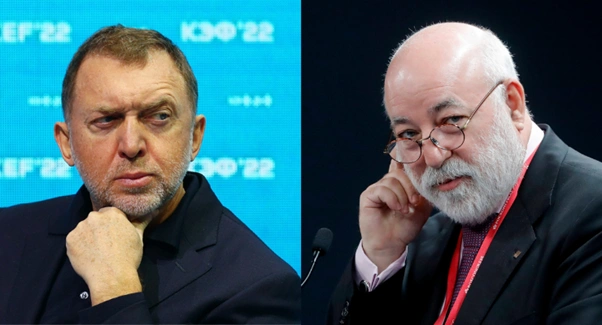
Oleg Deripaska and Viktor Vekselberg
The sanctions prevented Rio Tinto from supplying bauxite to Rusal. They also restricted QAL from processing bauxite for or supplying alumina to Rusal.
Legal Battle Timeline
Rusal first challenged Rio Tinto in Australian Federal Court in June 2022. The company sought to restore access to its 20% share of QAL’s alumina production.
The Federal Court ruled against Rusal in February 2024. The court found Australian sanctions lawfully restricted Rio Tinto’s ability to supply Rusal.
Rusal appealed to the High Court of Australia. That appeal was denied in March 2025.
The Russian lawsuit followed in April 2025. The Kaliningrad court’s 15 December ruling marks the latest development.
Industry Context and Impact
Rio Tinto remains Australia’s second-largest mining company. The company maintains operations across multiple commodities including iron ore, copper, and aluminium.
The QAL dispute represents one of several challenges Rio Tinto faces. The company recently announced a major restructure targeting $650 million in cost savings.
Global alumina markets tightened following the 2022 sanctions. Supply disruptions affected aluminium producers worldwide.
What Happens Next
Rio Tinto shows no signs of backing down. The company considers the Russian ruling unenforceable in Australia.
Legal experts suggest Russian court judgments face significant hurdles for recognition in Australian courts. The sanctions framework provides additional protection for Rio Tinto’s position.
Rusal may pursue enforcement through Russian asset seizures. However, Rio Tinto’s limited Russian presence reduces this risk.
The dispute underscores ongoing tensions between Western mining companies and Russian partners. Similar conflicts emerged across multiple industries following 2022 sanctions.
FAQs
Q: What is the Queensland Alumina Limited refinery?
A: Queensland Alumina Limited (QAL) is one of the world’s largest alumina refineries located in Gladstone, Queensland. The facility produces approximately 3.8 million tonnes of smelter-grade alumina annually and has operated since 1967.
Q: Why did Rio Tinto take control of the refinery?
A: Rio Tinto assumed full control of QAL in March 2022 following Australian government sanctions on Russia. The sanctions restricted dealings with certain Russian oligarchs connected to Rusal, prompting Rio Tinto to sideline Rusal and take sole operational control.
Q: Can Rusal enforce the Russian court ruling in Australia?
A: Russian court judgments face substantial barriers to recognition in Australian courts. The Australian sanctions framework and existing Australian court decisions upholding Rio Tinto’s actions create additional obstacles to enforcement.
Q: How has this affected global alumina markets?
A: The 2022 sanctions and QAL dispute contributed to tighter global alumina supply. Aluminium producers worldwide faced supply chain disruptions as Russian-connected sources became restricted for Western companies.
Q: What is Rusal doing to replace QAL supplies?
A: Rusal acquired stakes in Chinese and Indian alumina facilities. The company also announced plans to build a 4.8 million tonne alumina plant in Russia’s Leningrad region scheduled for 2028.