
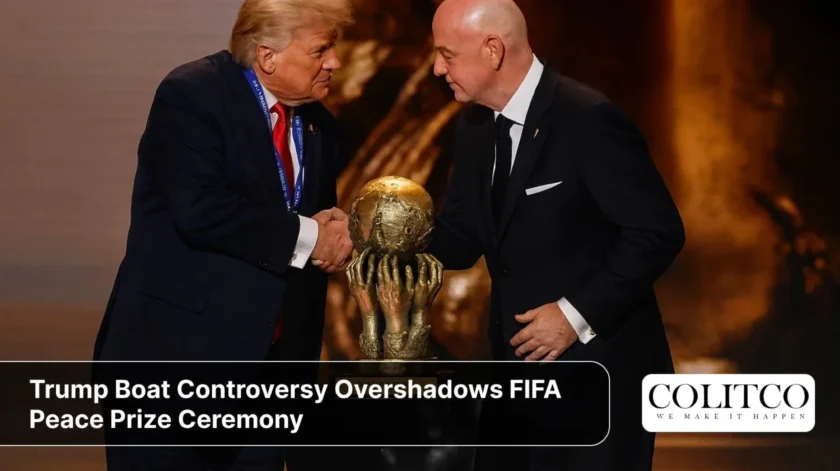
President Donald Trump received FIFA’s inaugural Peace Prize during the 2026 World Cup draw in Washington DC on 5 December 2025. The Trump boat controversy dominated discussions as Congress intensified scrutiny over deadly military strikes on alleged drug vessels. The ceremony at the Kennedy Centre became a focal point for football fan reactions and political debate.
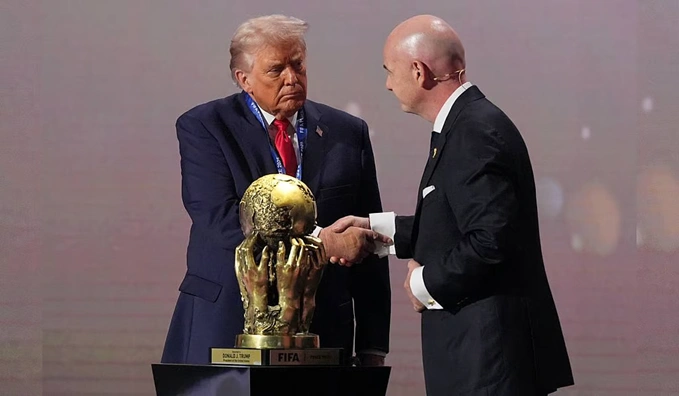
Trump refused to address questions about potential conflicts between the peace award and recent military actions. The juxtaposition sparked widespread commentary across social media and live World Cup coverage platforms. FIFA President Gianni Infantino credited Trump with brokering peace agreements in multiple global regions.
Global Audience Divided on Peace Prize Decision
The football fan reactions to Trump’s peace prize ranged from celebration to outrage across social platforms. Many supporters praised the president’s diplomatic achievements in the Middle East and other regions. Critics questioned the timing given ongoing scrutiny of the Trump boat controversy involving Caribbean strikes.
FIFA announced the new annual peace accolade in November 2025 for exceptional actions promoting global unity. The selection process remains unclear, sparking debate among football communities worldwide. Trump called the honour “truly one of the great honors of my life” during acceptance remarks.
Live World Cup Coverage Interrupted by Military Strike Questions
Live World Cup coverage shifted focus when reporters questioned Trump about the Trump boat controversy before the ceremony. The president avoided answering whether the peace prize conflicted with threats to strike Venezuela. He emphasised saving lives and referenced settling eight wars during his administration.
CNN’s Kaitlan Collins pressed Trump on the apparent contradiction between military escalation and peace recognition. The administration faces mounting congressional pressure over so-called double-tap strikes killing survivors. Republicans largely defend the operations whilst Democrats suggest potential war crimes occurred.
Admiral Consulted Military Lawyer Before Controversial Second Strike
Admiral Frank Mitchell Bradley oversaw the controversial 2 September 2025 strike on an alleged drug vessel. Bradley consulted a uniformed Judge Advocate General officer before approving the secondary strike killing survivors. The JAG officer assessed that the second attack would be legally permissible under operational guidelines.
Two survivors clung to the wreckage for approximately 41 minutes following the initial strike that killed nine. Bradley, then head of Joint Special Operations Command, deliberated with military officers during that period. Defence Secretary Pete Hegseth observed the initial strike but departed for other meetings beforehand.
Congressional Divide Deepens Over Trump Boat Controversy Legality
The Trump boat controversy has created sharp partisan divisions on Capitol Hill regarding strike legality. Most Republicans assert that the military actions against drug traffickers were justified and necessary. Democratic lawmakers suggest the double-tap strike may constitute violations of international law.
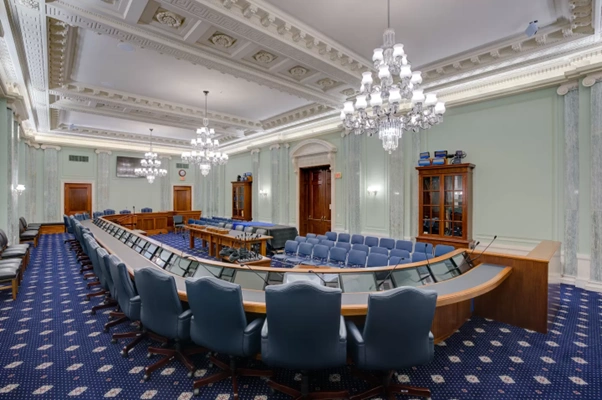
Figure 2: An empty congressional hearing room on Capitol Hill
House Minority Whip Katherine Clark demanded public release of video footage showing the September incident. She emphasised national security concerns and the need for transparency regarding American military operations. Trump previously indicated his administration would “certainly” release the controversial footage.
Trump Meets North American Leaders at Kennedy Center Event
Trump met with Mexican President Claudia Sheinbaum and Canadian Prime Minister Mark Carney at the venue. The three leaders attended the World Cup draw together as co-hosts of the 2026 tournament. A White House official confirmed the bilateral discussions occurred during the Kennedy Center event.
The meetings come amid Trump’s controversial national security strategy released the previous day. That document takes unprecedented confrontational positions toward European allies whilst prioritising Western Hemisphere operations. Trump also toured Kennedy Center renovation work with former Ambassador Ric Grenell.
Military Operations Continue Despite Congressional Scrutiny
The Trump administration demonstrates little indication of reducing Caribbean military operations despite criticism. The president repeatedly suggested expanding strikes to land targets in drug-producing regions. He stated on 3 December that authorities know “every route, every house” where drugs are manufactured.
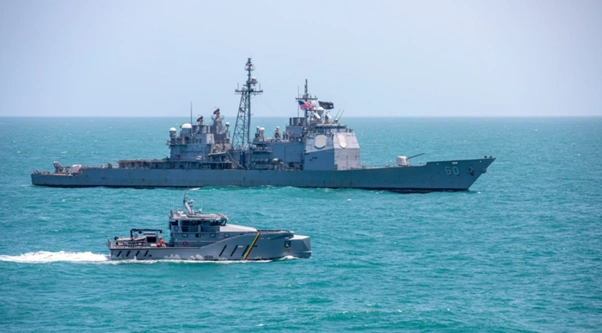
Figure 3: US naval vessels operating at sea
The United States military carried out another deadly attack on a suspected drug boat yesterday. These continued operations fuel the ongoing Trump boat controversy amongst lawmakers and international observers. The administration frames the actions as necessary measures against transnational criminal organisations.
Live World Cup Coverage Reveals Broader Foreign Policy Tensions
The live World Cup coverage inadvertently showcased numerous simultaneous foreign policy challenges facing the administration. US and Ukrainian delegations held constructive discussions in Miami regarding potential peace frameworks. The talks followed lengthy negotiations between Russian President Vladimir Putin and US envoys earlier this week.
Trump’s new national security strategy outlines dramatic realignments of American military priorities and diplomatic relationships. The document emphasises Western Hemisphere security over traditional European partnerships and Middle Eastern commitments. These shifts generated football fan reactions mixing sports enthusiasm with geopolitical concerns.
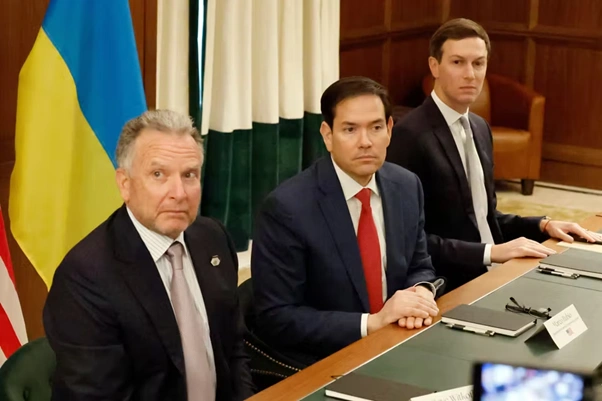
Figure 4: US and Ukrainian officials during high-level discussions
Strike Debate Extends Beyond Domestic Politics
The Trump boat controversy carries significant implications for America’s international standing and military doctrine. Legal experts debate whether the double-tap strike methodology violates laws of armed conflict. The precedent could influence future counternarcotics operations throughout the Caribbean and Latin America.
Democratic Representative Katherine Clark emphasised two critical concerns regarding national security and legal standing. She accused Defense Secretary Hegseth of unprecedented information withdrawal from congressional oversight. The debate over video release continues as transparency advocates demand public accountability.
Trump’s acceptance of the FIFA peace prize whilst military operations escalate creates optical challenges. The administration insists drug interdiction efforts save lives by preventing deadly substances entering American communities. Critics argue the methods undermine international humanitarian principles and American moral authority.
ALSO READ: World Cup Draw: Socceroos Land USA in Group D Showdown
FAQs
Q1: What is the Trump boat controversy about?
The Trump boat controversy involves deadly double-tap strikes on alleged drug vessels in the Caribbean. A September 2025 attack killed survivors 41 minutes after an initial strike.
Q2: Why did Trump receive the FIFA Peace Prize?
FIFA President Gianni Infantino credited Trump with brokering peace agreements in multiple global regions. The new annual award recognises exceptional actions promoting unity.
Q3: What were the football fan reactions to the peace prize?
Football fan reactions split along political lines with supporters praising diplomatic achievements. Critics questioned the timing given ongoing military operations scrutiny.
Q4: Will the strike video be released publicly?
Trump stated his administration would “certainly” release the footage showing the September incident. Democratic lawmakers including Katherine Clark demand immediate transparency.
Q5: What role did Admiral Bradley play in the strikes?
Admiral Frank Mitchell Bradley oversaw the controversial September 2025 operation as Joint Special Operations Command head. He consulted a military lawyer before approving the secondary strike.


