
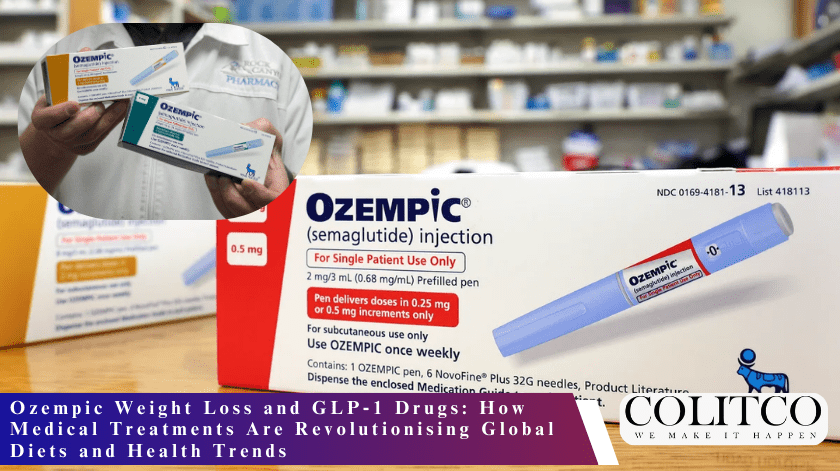
The skyrocketing demand for GLP-1 weight-loss drugs is mainly driven by the increasing number of cases of obesity and the falling desire to wait for the results of long-term solutions.
Ozempic and the like work on the same mechanism of action as a hunger suppressant by speeding up the metabolic process, which also includes slow digestion. The patients sometimes feel less hungry and can handle the portions better. Many say they have stopped thinking about food, their choices, and even the triggers of their emotional eating.
With the rising number of prescriptions, the pharmaceutical companies are having record-breaking revenues. The whole thing is a complete reversal from fads about dieting to drugs easing the overweight problem.
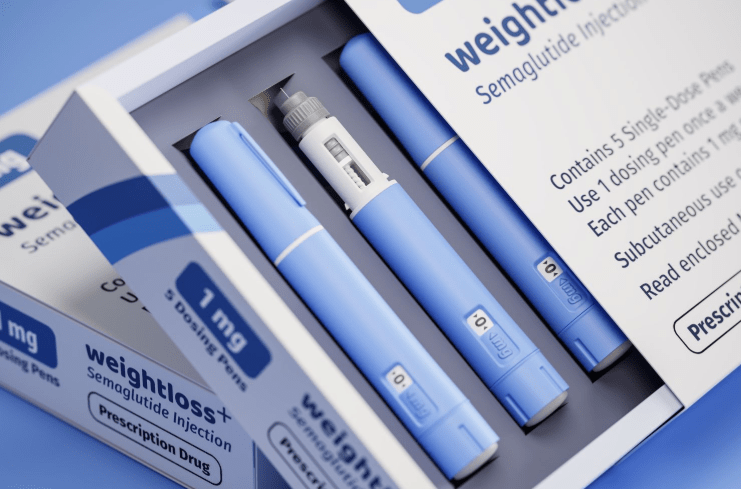
GLP-1 drugs surge as obesity rises and dieting fades.
Why Are Eating Patterns Changing Rapidly?
There have been a couple of studies to estimate the amount of money households spend on food, which is going to be less if they buy GLP-1 drugs. The user buys less food because he is eating less; the user is not on a diet but is using a drug to lessen the hunger.
Thus, the shrinking grocery budget, lighter meals, and fewer snacks are all signs of sliding toward a less fashionable or, at least, a less-tolerated option in having no demand for the sugary or processed items that come with the retailers’ offer of healthier produce.
The phenomenon suggests that the spreading of the Ozempic weight loss will affect the consumer food markets all over the world in the same way or even more so. Cravings and convenience were the driving forces behind eating habits, but now it is the appetite that has undergone the transformation that guides the shift.
Are There Health Benefits Beyond Weight Loss?
Clinical trials have proposed that GLP-1 weight-reducing drugs might be of help at the doctor’s office rather than just at the scale. Patients sometimes also comment on getting better blood pressure, along with their weight. In some, improvements in the kidney and heart parameters are observed.
It also seems that clearing of inflammation and metabolic stress could be consequences of their sustained use. For some, in fact, these medications become a beacon in treating conditions like hypertension and type 2 diabetes, which are usually associated with obesity. Therefore, besides the weight loss, Ozempic might have a broader public-health impact.
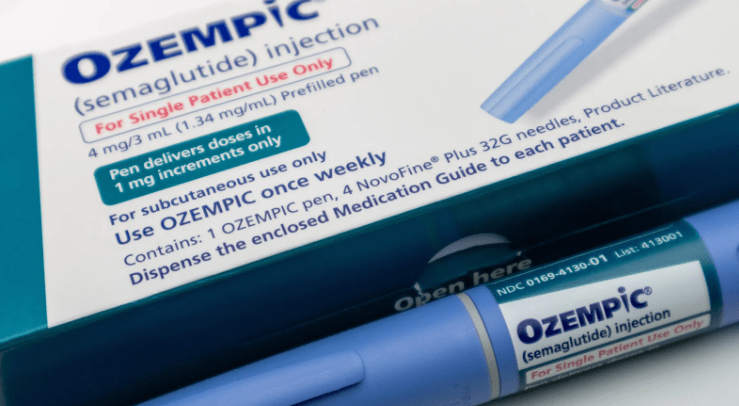
GLP-1 drugs like Ozempic may improve health beyond weight loss.
The Rise Of GLP-1 Drugs Has Triggered Market And Medical Interest
Pharmacies around the world have been having a tough time making GLP-1 drugs available because of the enormous demand. The manufacturers increased production at a fast rate just to fulfill the orders that kept on coming. Investors are looking at the pharmaceutical companies that are going to be listed and are recording the earnings tied to these drugs which are getting higher and higher.
Governments are contemplating providing financial support to the treatments in order to reduce the costs of healthcare related to obesity. Hospitals are predicting less number of operations and treatments related to morbid obesity. The emergence of the GLP-1 weight loss drugs, such as Ozempic, indicates the possibility of changes in health economics in the long run.
The Downside: Side Effects And Safety Concerns
Nevertheless, although the benefits are very high, the GLP-1 drugs still have side effects and risks associated with them. The side effects most frequently reported by the patients are nausea, dizziness, or discomfort in the digestive tract. Some users have experienced tiredness or changes in mood while being on the treatment.
Long-term usage might sometimes bring up the questions regarding the health of bones or muscles. When the therapy is over, the hunger is back and the weight loss that has been maintained might disappear. Experts warn that these medicines can only be part of a wider lifestyle strategy.

GLP-1 drugs carry side effects and require broader lifestyle management.
The Future Of Diet And Obesity Treatment Looks Complex
The worldwide acceptance of GLP-1 weight-loss drugs indicates that the obesity treatment is moving to a new phase. The diet culture that was once characterised by counting calories and trendy diets now faces extinction. Many people who are struggling with obesity see medical intervention as the only solution.
However, the questions of long-term safety, affordability, and accessibility are still up in the air. The legislature and the health sector have to judge the good sides against the bad ones. For the time being, the weight loss with Ozempic is seen as one of the most effective weapons in the ongoing fight against obesity.
Also Read: Buying Ozempic in Australia? Here’s What Costco’s U.S. Expansion Signals
Frequently Asked Questions
Q: What is the mechanism of action of GLP-1 drugs in the suppression of appetite?
They simulate the effects of natural gut hormones, which cause the sensation of fullness and delay the passage of food through the intestines, thus drastically reducing the appetite.
Q: Are GLP-1 drugs safe for long-term use?
Long-term safety is still being investigated. Side effects and metabolic changes need continuous careful monitoring.
Q: Is there any possibility of improvement in health markers due to GLP-1 use?
Yes, weight loss is accompanied by improvements in blood pressure, glucose levels, and also decreased inflammation for some users.
Q: Will the weight loss remain after the cessation of treatment?
A lot of people lose their appetite and also gain back the lost weight as soon as they quit. Therefore, in most cases, a change in lifestyle is required to maintain the results.