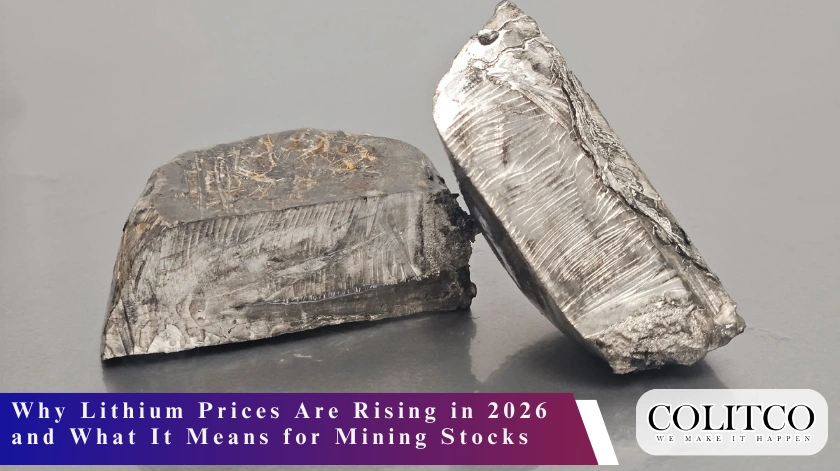
Lithium prices have risen sharply in late 2025 and early 2026 after a prolonged downturn. The rebound reflects stronger electric vehicle production, rapid growth in energy storage, and supply disruptions in major producing countries. Analysts now expect the global lithium market to shift into deficit in 2026 after a surplus in 2025.
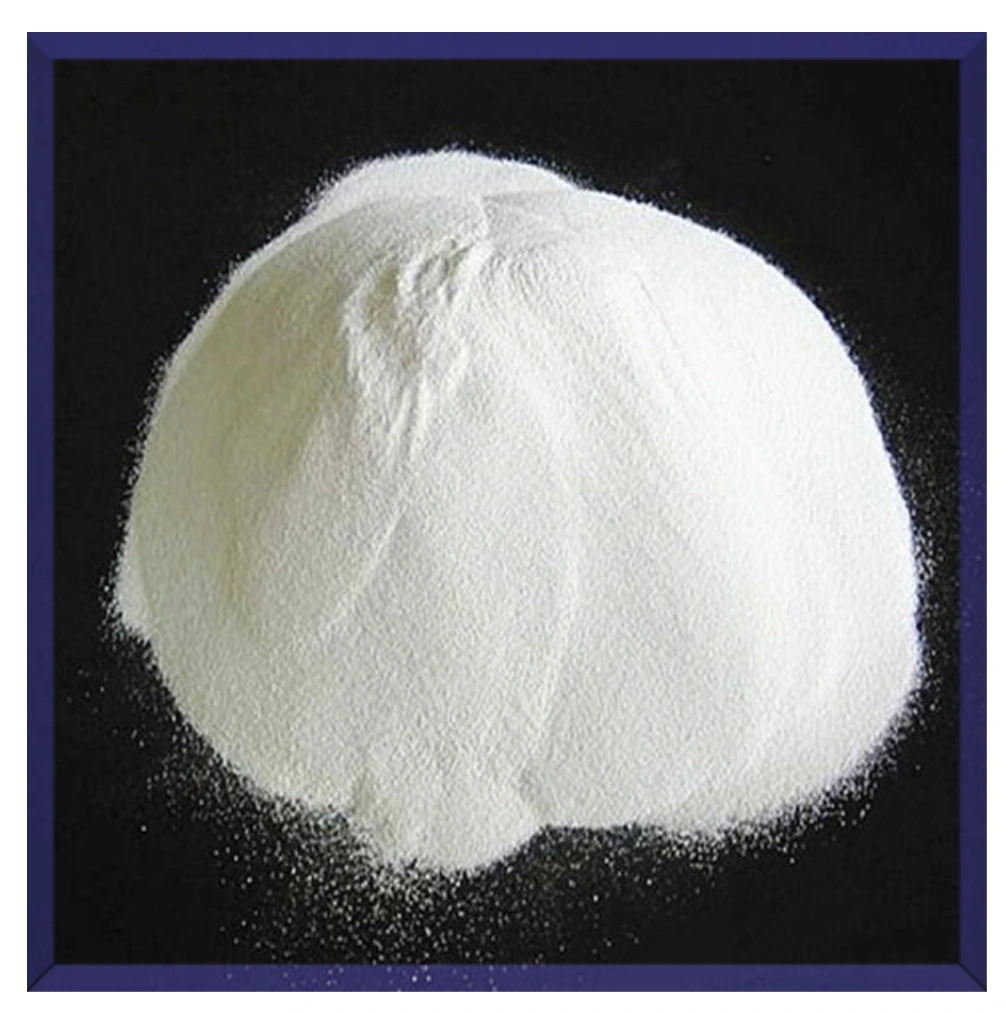 Lithium prices have rebounded in 2026 as demand strengthens and supply tightens. [Gautamzen]
Market forecasts indicate that lithium carbonate prices have recovered from multi-year lows reached in mid-2025. Industry estimates suggest the market could move from a surplus of about 61,000 tonnes in 2025 to a deficit approaching 80,000 tonnes in 2026. This tightening has improved sentiment toward lithium mining stocks.
Electric Vehicle Demand Drives Lithium Market Recovery
Electric vehicles remain the largest source of lithium demand. Automakers continue to expand battery production despite uneven economic growth in some regions. China, Europe, and the United States have maintained policy support for EV adoption, which sustains battery manufacturing activity.
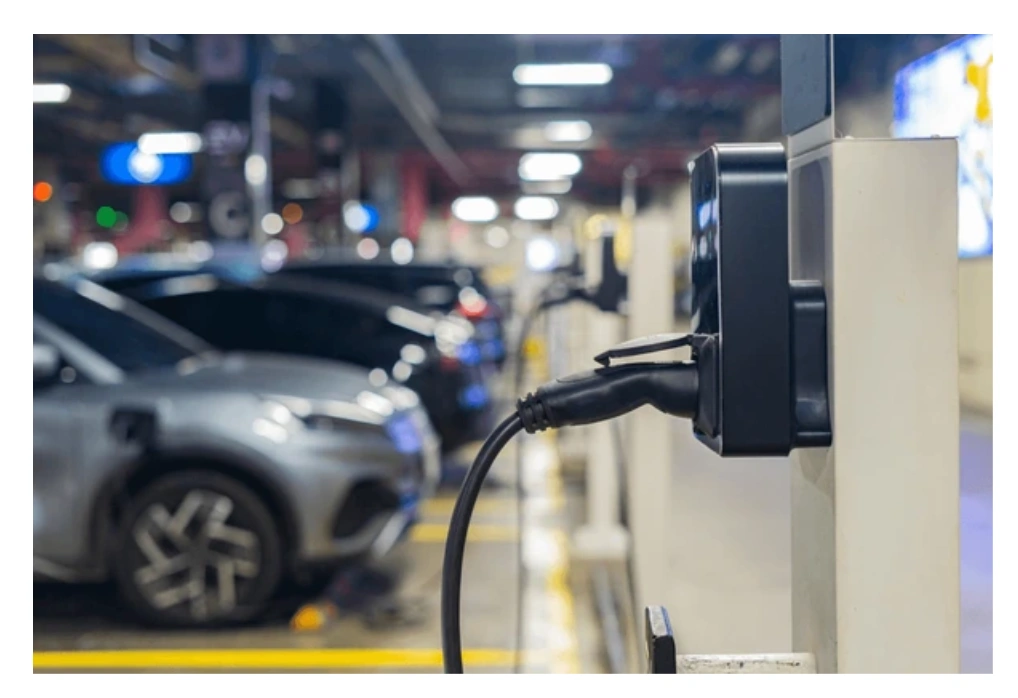 Electric vehicle production continues to drive global lithium demand. [Shutterstock]
Industry leaders in China expect lithium demand to grow between 30% and 40% in 2026. Battery producers continue to increase output to meet EV targets. As a result, lithium hydroxide and lithium carbonate consumption have accelerated. These trends have tightened supply and supported higher lithium prices.
Energy Storage Expansion Boosts Lithium Consumption
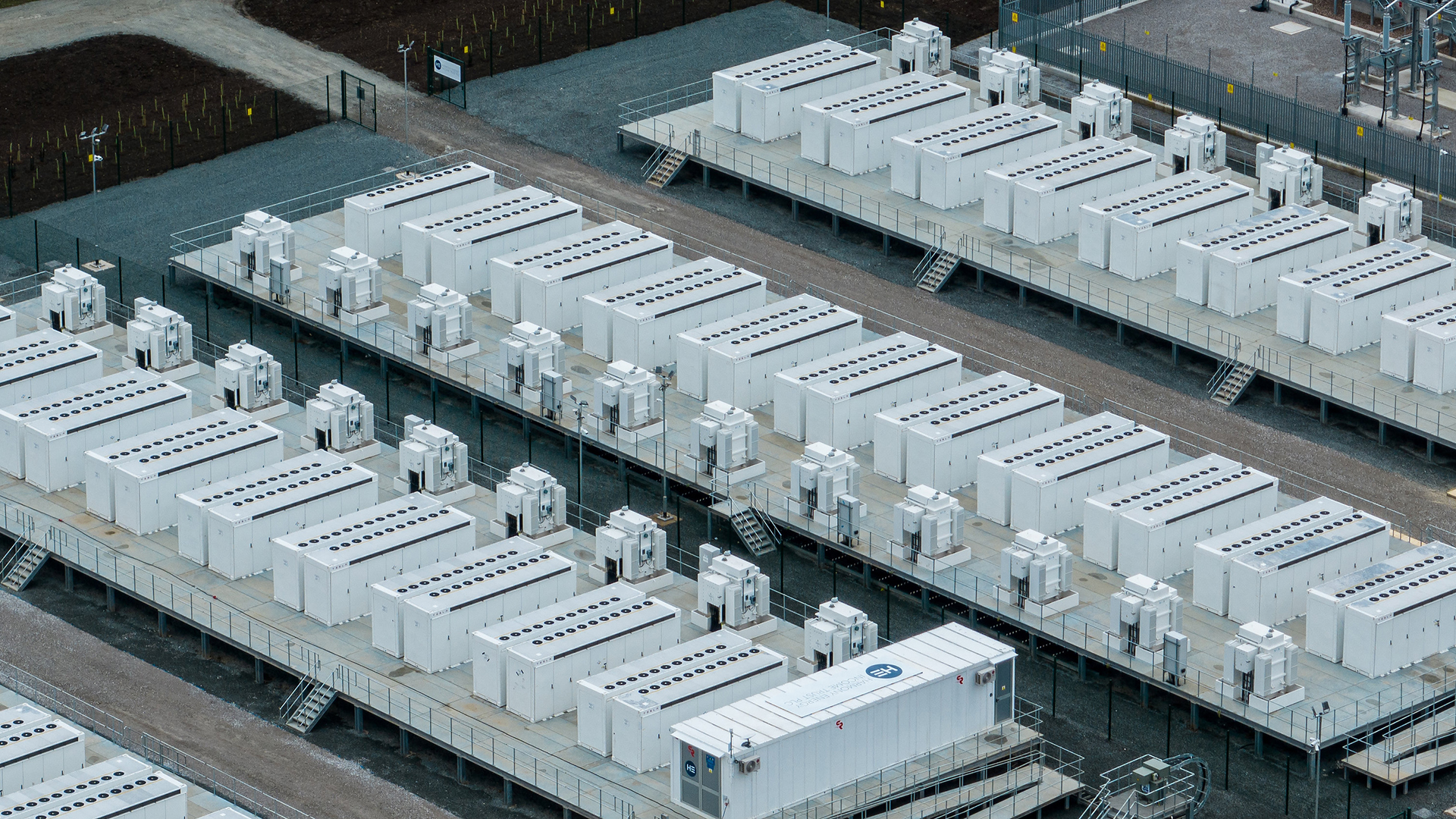
Stationary energy storage has emerged as a second major demand pillar. Grid-scale battery installations now support renewable energy integration and data centre operations. Energy developers have accelerated storage projects to stabilize power networks.
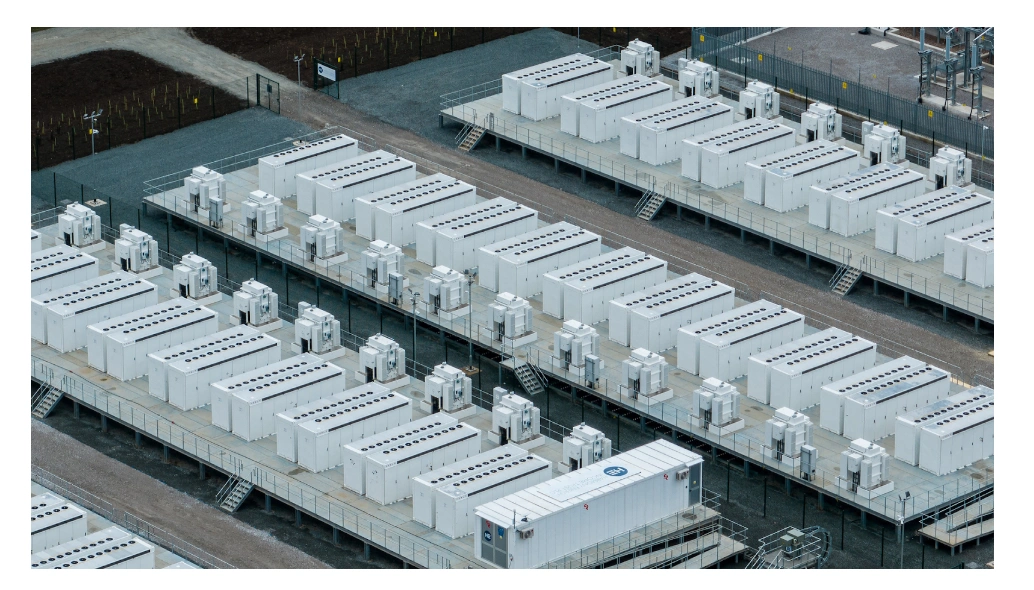 Grid-scale energy storage projects are increasing lithium consumption worldwide. [Innovationnewsnetwork]
Market projections show stationary storage could account for nearly 30% of total lithium demand by 2030, up from under 20% in 2024. Analysts estimate energy storage demand may rise more than 50% in 2026 alone. This segment now competes directly with EV manufacturers for battery materials, which reinforces upward pressure on lithium prices.
Supply Cuts in China Reshape Global Lithium Balance
Chinese authorities introduced measures in mid-2025 to address excess capacity in the lithium sector. Regulators tightened environmental standards and reviewed mining permits. Several producers suspended operations as licenses expired.
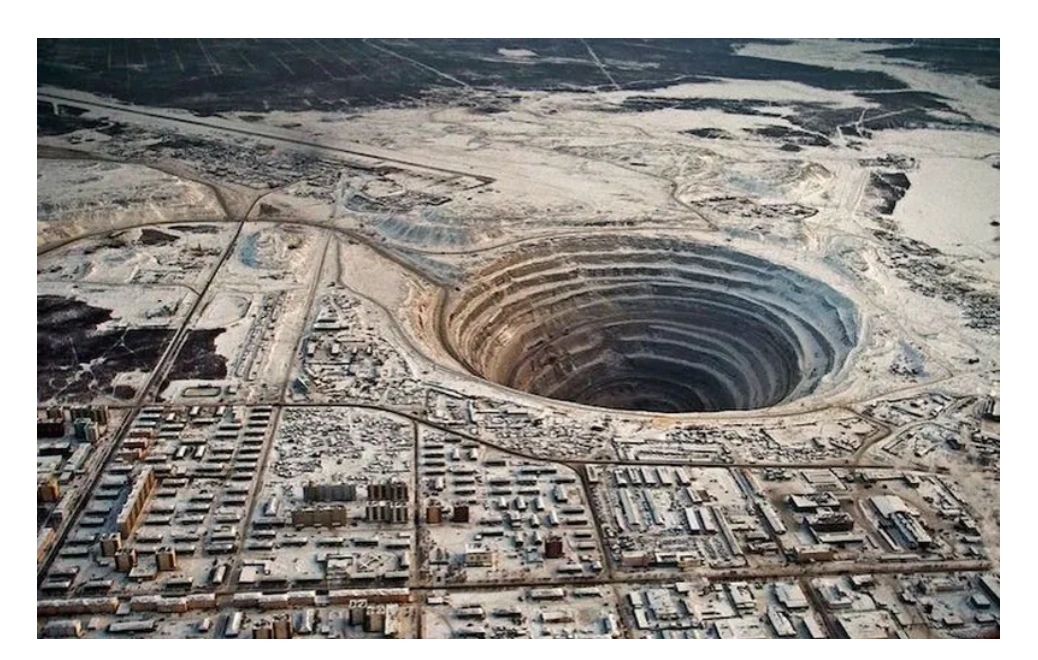 Production curbs in China have reduced lithium supply and supported higher prices. [Skillings]
One major Chinese battery producer halted output at a 46,000-tonne-per-year lithium mine after its permit lapsed. Local officials in Jiangxi province also revoked numerous mining approvals. These actions reduced domestic supply and triggered immediate price increases in lithium futures markets.
China accounts for a large share of global lithium processing and mining. Therefore, production cuts in the country influence international pricing. The reduction in Chinese output contributed to the expected market deficit in 2026.
Zimbabwe Export Ban Intensifies Supply Concerns
Zimbabwe, Africa’s leading lithium producer, introduced a ban on lithium concentrate exports in early 2026. The government aims to encourage local processing and capture more value from the mineral. Zimbabwe exported over 1.1 million tonnes of spodumene concentrate in 2025, mostly to China.
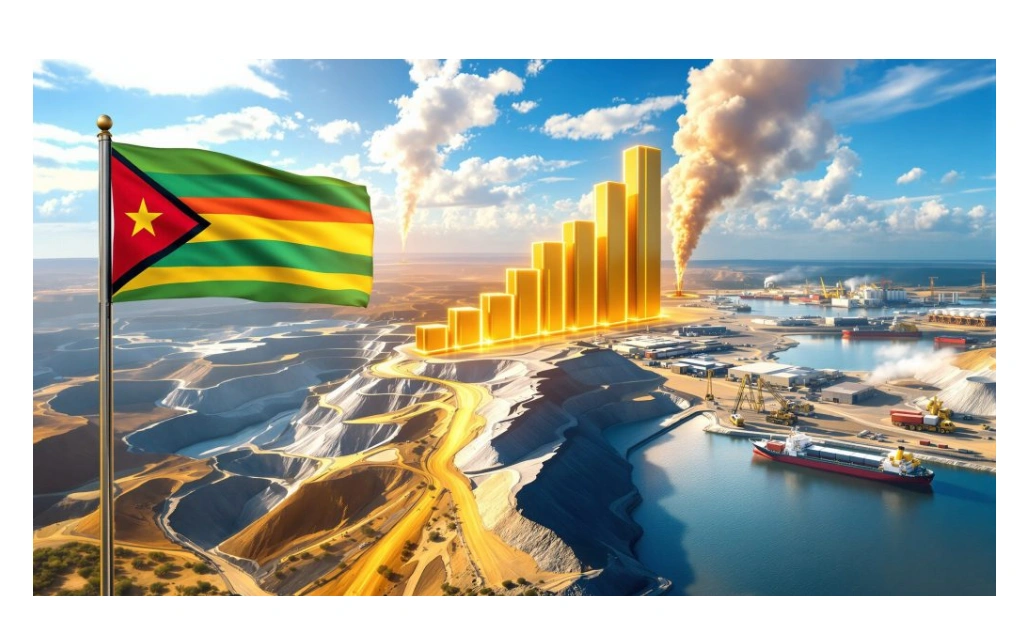 Zimbabwe’s lithium export ban has tightened global supply flows. [Discovery]
The export restriction removed significant volumes from international trade flows. Following the announcement, lithium futures in China recorded strong daily gains. Traders reacted to the risk of constrained feedstock supply for refineries. This policy shift added to existing supply tightness and strengthened lithium price momentum.
Lithium Carbonate Prices Rebound from 2025 Lows
Lithium prices peaked in 2022 before collapsing by nearly 90% by mid-2025. Oversupply, slower EV sales growth, and inventory build-ups contributed to the downturn. By June 2025, lithium carbonate prices on Chinese exchanges fell to around ¥58,400 per tonne.
However, the market began to recover in the second half of 2025. Production curbs and improving demand shifted expectations. By December 2025, Chinese lithium futures had risen more than 100% from their lows. In early 2026, benchmark prices reached their highest levels since late 2023.
The rebound has restored profitability for many producers. Higher realized prices increase revenue per tonne sold, which improves cash flow and earnings potential.
Mining Stocks Respond to Higher Lithium Prices
Lithium mining stocks have tracked the commodity’s recovery. During the downturn, falling prices compressed margins and reduced investor confidence. Share prices of major producers declined sharply through 2023 and 2024.
As lithium prices stabilized and then advanced, mining equities regained ground. Companies with exposure to lithium projects reported improved outlooks for 2026. Investors responded by increasing positions in producers and developers with operational assets.
Junior miners also recorded gains, particularly those with advanced projects nearing production. Higher lithium prices increase project feasibility and improve financing prospects. Equity markets have reflected expectations of stronger earnings in the coming year.
Profit Outlook Improves for Global Lithium Producers
Rising lithium prices directly affect producer revenue. When prices increase, miners receive higher margins if costs remain stable. Many companies reduced spending during the downturn and streamlined operations. As prices recover, these cost controls enhance profitability.
Large global producers such as Albemarle, SQM, and Australian operators maintain significant expansion pipelines. Higher prices may encourage them to restart delayed projects. Analysts expect several miners to return to profit in 2026 after posting weaker results during the slump.
However, companies must manage capital expenditure carefully. Rapid expansion during previous booms contributed to oversupply. Management teams now face pressure to balance growth with disciplined investment.
Geopolitical and Policy Factors Influence the Lithium Market
Government policy continues to shape lithium supply and demand. China controls a substantial share of global lithium refining capacity. Western governments seek to diversify supply chains and reduce reliance on Chinese processing.
The United States and the European Union have introduced incentives to support domestic battery manufacturing. These measures increase demand for lithium sourced from approved jurisdictions. At the same time, resource-rich countries have tightened export rules to promote local value addition.
Environmental regulation also affects new project approvals. Water use, land management, and community concerns can delay developments. These factors limit the speed at which new supply enters the market.
Technology Trends and Market Risks Remain Relevant
Although lithium demand remains strong, alternative battery technologies could influence long-term growth. Sodium-ion batteries do not require lithium and have attracted interest for stationary storage applications. If adoption accelerates, lithium demand growth may moderate.
Recycling also plays a growing role. As more EV batteries reach end of life, recycled lithium may supplement primary supply. While recycled volumes remain modest today, capacity is expanding.
Market volatility remains a defining feature of lithium. The sharp decline in 2023–2025 demonstrated how quickly prices can adjust. Investors in mining stocks face exposure to commodity cycles. Supply additions planned for 2026 and 2027 could ease deficits if demand growth slows.
Investment Implications for Lithium Mining Stocks
The current price rally has improved near-term prospects for lithium miners. Higher prices support stronger earnings, improved balance sheets, and renewed investment activity. Equity valuations have begun to reflect these expectations.
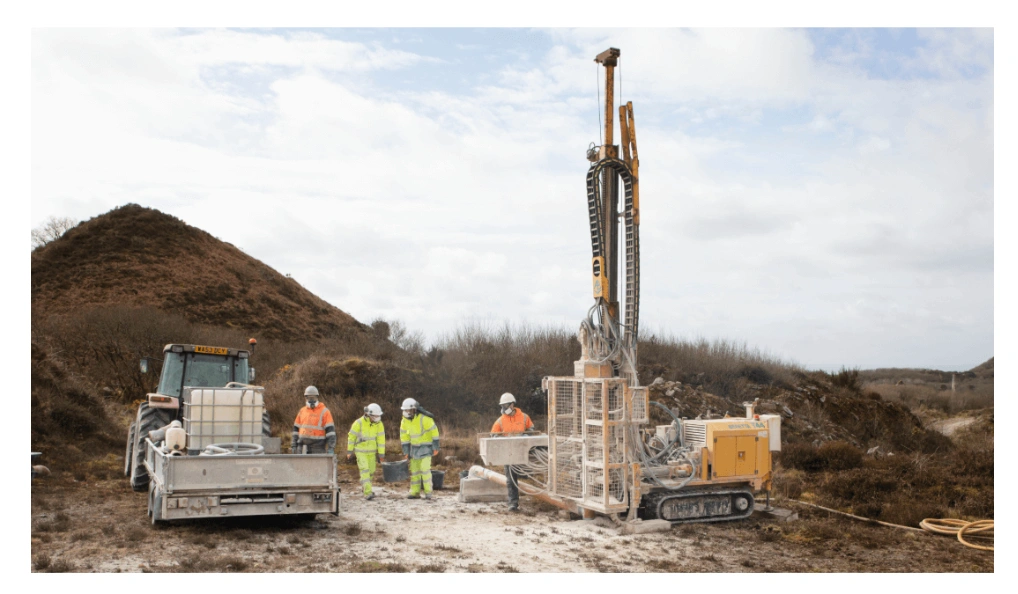 Higher lithium prices are improving the outlook for new mining projects. [International Mining]
Investors often assess lithium mining stocks based on production costs, reserve quality, and jurisdiction risk. Low-cost producers typically withstand price swings more effectively. Companies with diversified operations also reduce reliance on a single commodity.
Exchange-traded funds that track lithium producers provide broader exposure. However, investors must consider the sector’s history of rapid cycles. Prudent portfolio allocation and ongoing monitoring remain essential.
Also Read: Commonwealth Bank Launches A$90M AI Upskilling Program
Outlook for Lithium Prices and Mining Sector Performance
Analysts expect lithium demand to remain robust in 2026, supported by EV production and expanding energy storage. Supply constraints from regulatory changes and export bans have tightened the market. Forecasts of a significant deficit underpin current price strength.
If projected deficits materialize, lithium prices may remain elevated through 2026 and possibly 2027. Sustained high prices would likely support mining sector earnings and share performance. Conversely, rapid supply growth or slower EV adoption could temper gains.
In summary, lithium prices are climbing due to a combination of accelerating demand and constrained supply. Mining stocks have responded to this shift with improved valuations and stronger performance. While the outlook appears favorable in the near term, the lithium market’s cyclical nature requires careful analysis and disciplined investment strategies.