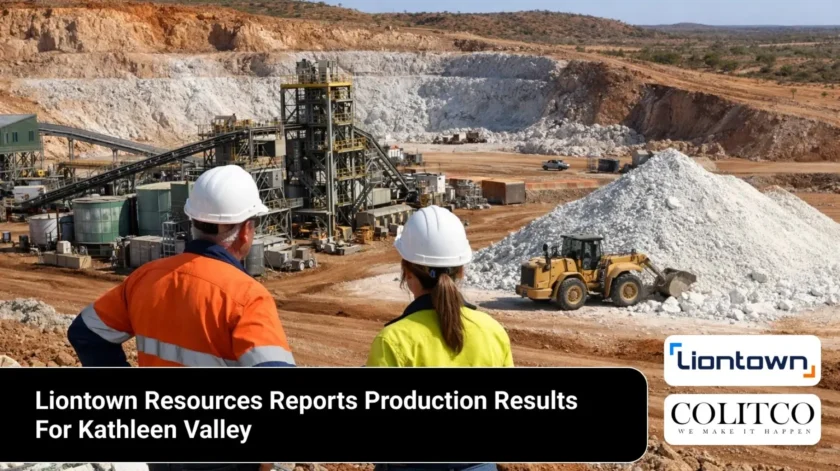
Liontown Resources Limited (ASX:LTR) released an investor presentation on 23 February 2026. Managing Director Tony Ottaviano delivered the update at the BMO Global Metals and Mining conference. The Company operates the Kathleen Valley Lithium Operation in Western Australia. This site sits on Tjiwarl Country.
The report contains data regarding the first half of the 2026 financial year. Production reached 193,000 dry metric tonnes of concentrate during this period. Sales totalled 190,000 tonnes for the half year. Revenue amounted to A$198 million.
Operational Transition and Underground Mining Results
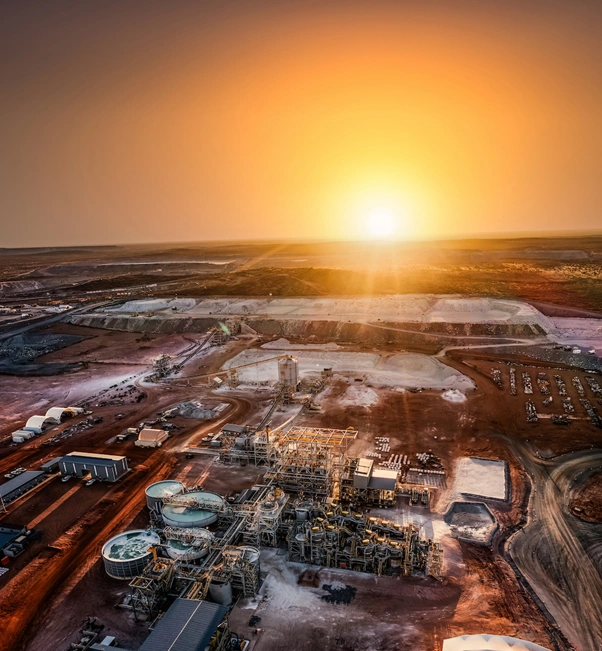
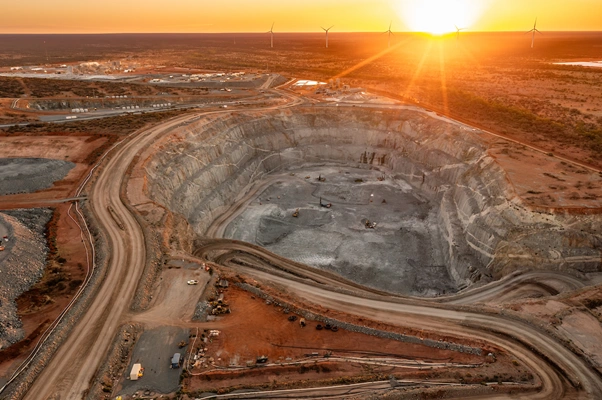
The Company finished mining at the Kathleen’s Corner open pit on schedule. Operations transitioned to 100 per cent underground mining. Underground production increased 148 per cent compared to the 2025 financial year. The Company opened mining fronts to support the ramp-up.
Liontown scales equipment to meet production targets. The mine reached a run rate of 1 million tonnes per annum on schedule. The Company targets a run rate of 1.5 million tonnes by March 2026. Another target seeks 2.8 million tonnes per annum by June 2027.
Financial Data And Cost Performance
- The Company realised an average price of US$815 per tonne.
- Unit operating costs averaged US$646 per tonne during the half year.
- The cash balance reached $390 million on 31 December 2025.
- Operating cash flow reached a neutral state during the mining transition.
Liontown maintains a focus on cost reduction. Increased volumes and grades drive these changes. Recoveries reached 63 per cent in the December quarter of 2025. The Company anticipates recoveries of 70 per cent when underground ore becomes the primary feed.
Resource Estimates And Project Scale
The resource at Kathleen Valley contains 150 million tonnes of material. This material averages 1.3 per cent lithium oxide. It also contains 130 parts per million of tantalum pentoxide. The Company holds 100 per cent ownership of this operation.
Liontown also owns the Buldania Lithium Project. This project contains 15 million tonnes at 1.0 per cent lithium oxide. The site is 340 kilometres from Kalgoorlie. The Company headquarters remain in Perth, Western Australia.
Market Conditions and Electric Vehicle Sales
Global electric vehicle sales increased 20 per cent in 2025. More than 3 million vehicles were sold in 2025 than in 2024. China continues a growth trajectory. Sales in Europe began to rebound during the year.
Forecasts indicate sales will reach 38 million units by 2030. This implies a growth rate of 14 per cent per year. Lithium demand also comes from battery energy storage systems. These systems provide one-quarter of new lithium demand.

Electric vehicle and lithium demand
Lithium Demand Drivers And Artificial Intelligence
Artificial intelligence investments increase the demand for power grid storage. Data centres use battery storage to bridge peak hours. Lithium demand will more than double by 2029. Electric vehicles drive 70 per cent of this growth.
Market analysts expect lithium deficits in 2026. Supply growth remains limited to brownfield projects. Development timelines and capital intensity constrain new supply. Deficits may expand through the 2030s.
Also Read: Mexican Military Kills Cartel Leader El Mencho in High-Stakes Raid
Expansion Studies And Future Capacity
Liontown conducts a study to increase capacity to 4 million tonnes per annum. This study refreshes the case from the 2021 feasibility report. The plan involves plant debottlenecking. It also accesses ore in Mount Mann and North West Flats.
The Company possesses approvals and infrastructure for this expansion. Increased scale is expected to reduce unit costs. Liontown maintains offtake partners for its minerals. The Company also sells volumes on the spot market.