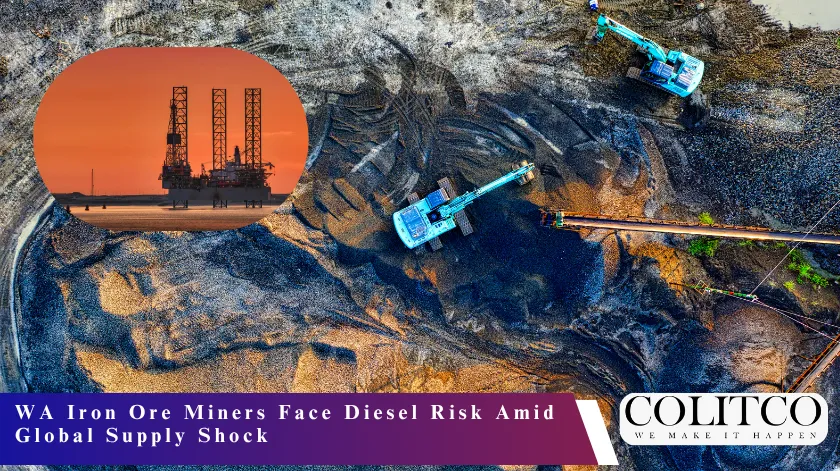
Fuel Shortage Forces Operational Adjustments
Western Australia’s mining sector faced mounting pressure after a diesel supply disruption pushed some operators close to running out of fuel. Fenix Resources, a junior iron ore miner, reduced non-essential activities after its reserves dropped to critical levels. At certain points, the company had only one to two days of diesel available.
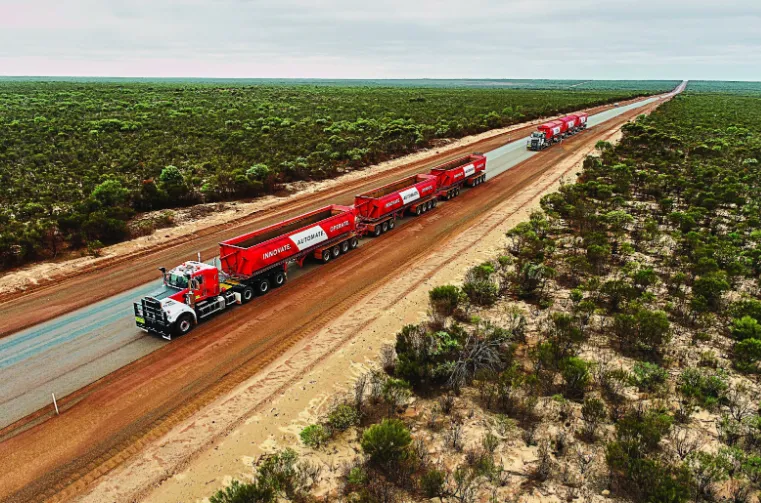
Road trains transport iron ore across long distances, increasing diesel demand for remote mining operations. [Australian Mining]
The Company typically maintains five to ten days of fuel on site. However, supply delays disrupted that buffer.
Management responded by prioritising core mining and haulage operations. This approach allowed the company to continue exporting iron ore while conserving fuel for essential tasks.
Heavy Diesel Reliance Exposes Supply Risk
Fenix Resources operates an integrated supply chain that includes mining, logistics, and port services. The company transports iron ore over long distances using road trains. This model depends heavily on a steady diesel supply.
The recent disruption exposed how quickly operations can come under strain. Without diesel, mining equipment cannot operate, and transport systems stop. This reliance makes fuel availability a critical factor in maintaining production continuity.
The issue extends beyond one company. Many smaller miners in remote areas rely on similar logistics systems. These operators often lack rail access and depend on trucking, which increases diesel consumption.
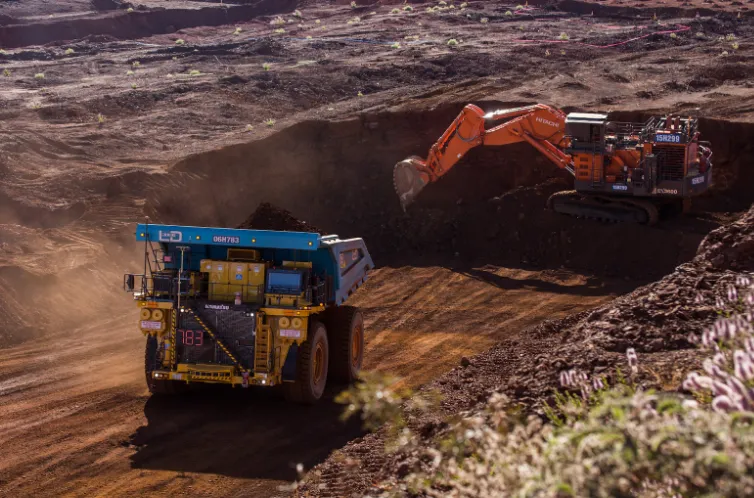
Iron ore mining operations in Western Australia rely heavily on diesel-powered equipment and transport systems. [International Mining]
Global Conflict Tightens Fuel Availability
The diesel shortage followed escalating tensions in the Middle East, which disrupted global energy markets. Damage to key infrastructure and the closure of major shipping routes reduced fuel supply flows. These developments affected countries that rely on imports, including Australia.
Australia imports a large share of its diesel. This dependency increases exposure to global disruptions. While contracted shipments continue to arrive, spot market supplies have tightened. These spot purchases usually act as a buffer during supply gaps.
As a result, suppliers have struggled to meet all delivery schedules. Some mining companies received notice of delays with little warning. This uncertainty has made fuel planning more difficult for operators.
Rising Costs Add Financial Pressure
Fuel price increases have added to the operational strain. At Fenix Resources, diesel costs rose from about 20 percent of total expenses to around 30 percent. This shift has reduced profit margins, even as production continues.
Higher fuel costs affect several aspects of mining operations. Transport expenses increase, and equipment operation becomes more expensive. These changes can reduce overall efficiency and financial performance.
Small and mid-sized miners face greater pressure from these cost increases. Larger companies often have stronger supply agreements and better access to reserves. In contrast, smaller firms operate with tighter margins and fewer alternatives.
Industry Faces Week-to-Week Supply Uncertainty
Industry groups have described the current fuel situation as unstable. Many smaller miners now operate on a week-to-week basis regarding diesel availability. This short-term outlook makes planning more difficult and increases operational risk.
Businesses that support the mining sector have also reported challenges. Contractors, transport providers, and regional service firms rely on diesel for daily operations. Limited supply affects their ability to maintain services, which in turn impacts mining activity.
The uncertainty has already forced some companies to adjust workflows. Operators have reduced non-essential work and delayed certain tasks. These measures aim to extend fuel reserves while awaiting new deliveries.
Government Moves to Stabilise Supply Chains
The Western Australian government has stepped in to address the situation. Authorities have requested detailed information from fuel distributors on supply allocation. The aim is to ensure that critical industries receive priority access to diesel.
Officials have also formed an industry task force to assess the broader impact of the shortage. This group will examine risks to the mining, agriculture, and transport sectors. The task force will also explore options to improve supply resilience.
Federal measures have included adjustments to fuel-related policies. These actions aim to ease cost pressures and maintain supply flows. However, industry participants continue to monitor the situation closely.
Broader Impact Across Mining and Agriculture
The diesel shortage has raised concerns beyond the mining sector. Agriculture and transport industries also rely heavily on fuel. In regional areas, limited supply has already created operational challenges.
Farmers preparing for planting seasons face uncertainty about fuel availability. Transport operators have reported similar concerns. These sectors depend on consistent diesel access to maintain productivity.
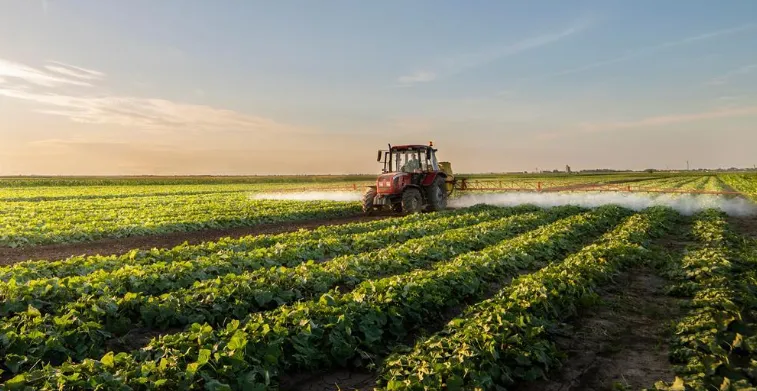
Agriculture sectors also face pressure as diesel shortages affect planting and transport activities. [Fruitnet]
The mining industry remains a major consumer of diesel in Western Australia. A significant share of imported fuel supports mining operations. Any prolonged disruption could affect export volumes and economic output.
Strategic Shift Towards Energy Resilience
The recent supply shock has prompted companies to reconsider long-term strategies. Many operators now recognise the risks associated with heavy diesel dependence. This awareness may drive changes in energy planning.
Some companies have begun exploring alternative energy options. These include the electrification of equipment and the use of renewable energy sources. However, such transitions require investment and time.
Improving fuel storage capacity also forms part of the discussion. Larger reserves could provide a buffer during supply disruptions. At the same time, diversification of supply sources may reduce reliance on single channels.
Also Read: Turaco Gold Lifts Afema Resource to 4.65 Moz in 2026 Update
Outlook Remains Uncertain Despite Short-Term Stability
Despite the challenges, the immediate risk of a complete shutdown appears limited. Fuel supplies continue to arrive under existing contracts. However, the situation remains fragile due to ongoing global uncertainty.
Fenix Resources has indicated that it does not expect changes to its annual production targets. This suggests that short-term measures have stabilised operations. Still, the company continues to monitor supply conditions closely.
The broader industry faces a period of adjustment. Companies must balance operational demands with uncertain fuel access. The recent events have highlighted the need for stronger supply chain resilience.
The diesel supply disruption has not halted mining activity, but it has exposed key vulnerabilities. As global conditions evolve, both industry and government will need to adapt to ensure stability in critical sectors.
FAQS
Q1: Why did Fenix Resources face a diesel shortage?
A: Fenix Resources faced a diesel shortage due to disruptions in global fuel supply linked to conflict in the Middle East. These disruptions affected fuel deliveries to Western Australia and reduced the available supply.
Q2: How did the diesel shortage affect mining operations?
A: The company scaled back non-essential activities to conserve fuel. It prioritised critical operations such as mining and ore transport to maintain output.
Q3: How much diesel do mining companies typically store?
A: Most mining companies, including Fenix Resources, usually maintain between five and ten days of diesel reserves. During the disruption, this dropped to as low as one to two days.
Q4: Are other mining companies affected by the diesel supply issue?
A: Yes. Smaller and remote mining operators are more affected because they rely on regular deliveries and often have limited storage capacity.
Q5: What role does diesel play in mining operations?
A: Diesel powers heavy machinery, transport trucks, and on-site generators. It supports both extraction and logistics, especially in remote mining regions.
Q6: What actions has the government taken in response?
A: The Western Australian government has asked fuel suppliers to prioritise critical industries. It also formed a taskforce to assess the impact and manage supply risks.
Q7: Has the diesel shortage impacted production targets?
A: Fenix Resources has indicated that it does not expect changes to its annual production targets despite the temporary supply constraints.
Q8: What are the long-term implications of this fuel disruption?
A: The situation highlights the need for stronger energy resilience. Mining companies may invest in alternative energy sources and expand fuel storage capacity.
Disclaimer:
This article is published by Colitco for informational purposes only and is based on publicly available sources believed to be reliable at the time of writing. While efforts have been made to ensure accuracy, Colitco and its affiliates make no guarantees regarding the completeness or reliability of the information. This content does not constitute financial, investment, or professional advice. Readers should conduct their own research or consult qualified advisors before making any decisions. Colitco is not liable for any losses or damages arising from the use of this information.
Sources
Last modified: April 1, 2026