EV Sales Slow as Tesla Faces Growing Market Pressure
Tesla shares are under scrutiny as analysts warn the electric vehicle maker may face another year of declining deliveries. Recent forecasts suggest vehicle shipments could fall for a third consecutive year, reflecting weakening demand and rising competition across key markets.
Wall Street expectations for 2026 delivery growth have already been cut sharply. Analysts have reduced forecasts to roughly 3.8% growth, down from earlier projections of 8.2%, while some research firms now anticipate an outright decline in shipments.
Several factors are weighing on Tesla’s automotive segment. The expiration of certain EV tax credits in the United States, increasing competition in Europe and China, and softer demand for more affordable models have all contributed to the cautious outlook.
These challenges are also emerging after a difficult financial period. Tesla’s net income fell nearly 47% year-over-year in 2025, while deliveries dropped during several quarters, raising concerns about the pace of EV adoption and the company’s near-term growth trajectory.
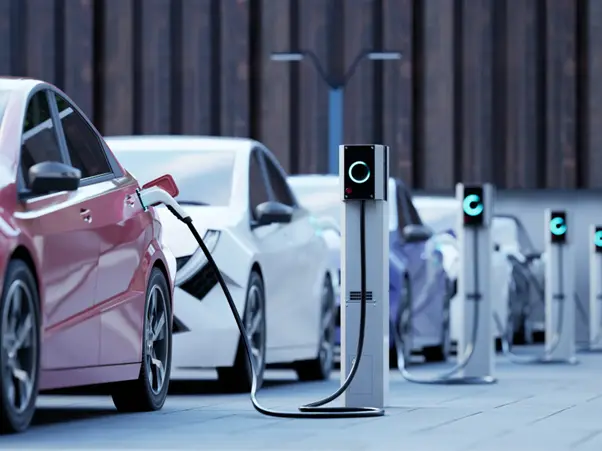
Tesla vehicles at a charging station as the EV maker faces slowing global demand. [Wired]
Investors Focus on Tesla’s Software and AI Strategy
While EV demand slows, Tesla is increasingly positioning itself as a technology company built around software, artificial intelligence, and automation. CEO Elon Musk has emphasized long-term investments in robotaxis, autonomous driving, and humanoid robotics.
The strategy aims to create new recurring revenue streams beyond vehicle sales. Tesla’s Full Self-Driving (FSD) software, robotaxi platform, and AI training infrastructure are central to this transformation.
However, these initiatives require significant capital spending. Analysts estimate Tesla could double capital expenditures to more than $20 billion, which may lead to negative free cash flow in the near term after several years of positive cash generation.
For investors, this creates a trade-off: Tesla’s automotive growth may slow, but the company is betting that software-driven businesses could unlock much larger long-term opportunities.
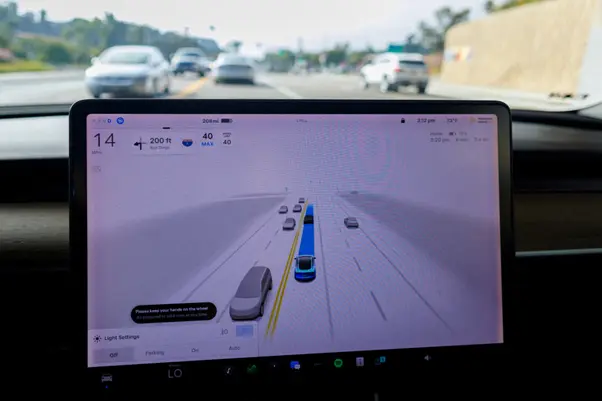
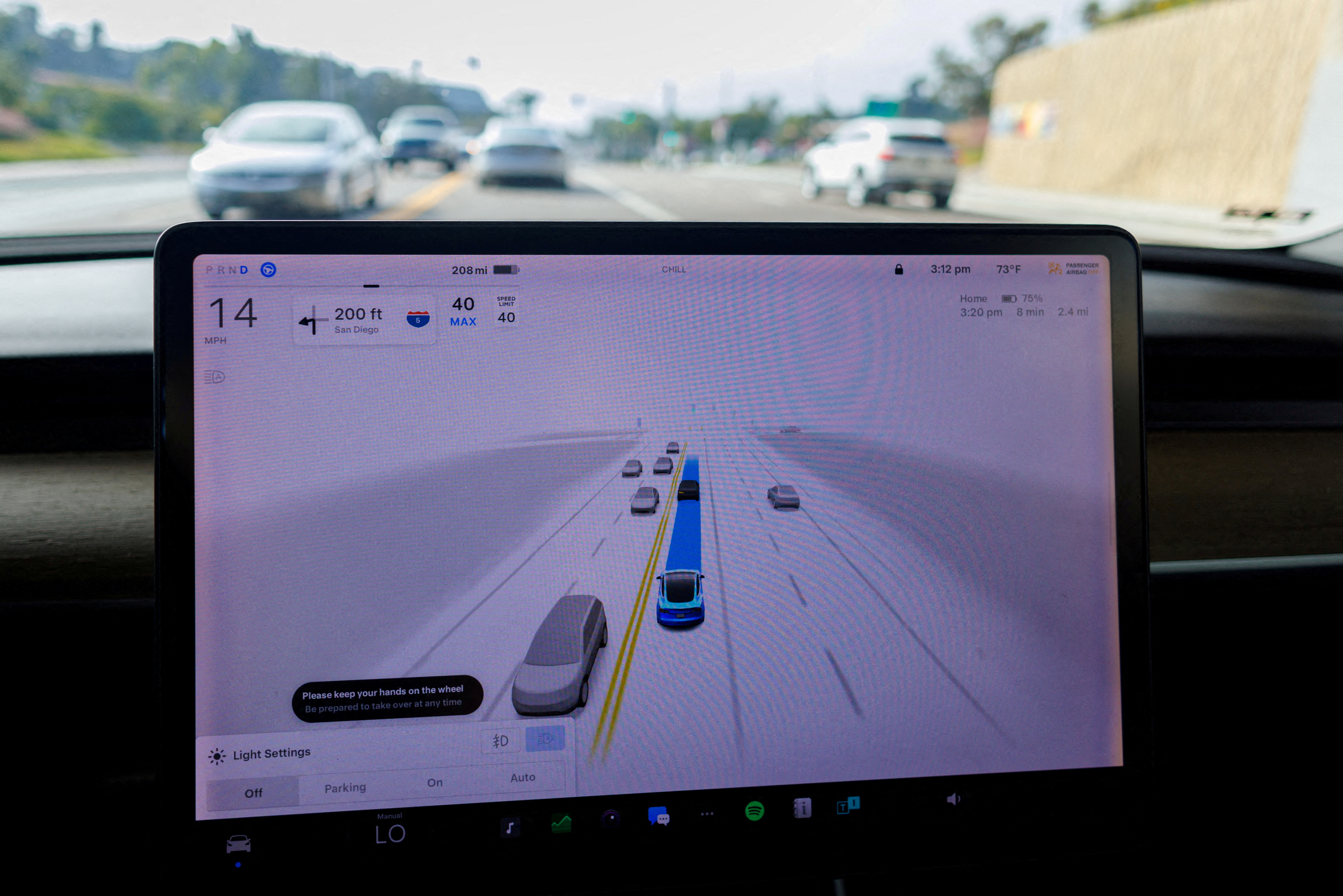
Tesla’s Full Self-Driving technology represents a key part of the company’s software strategy. [Reuters]
Analysts Debate Whether the Stock Is Overvalued
Tesla’s stock performance has also triggered debate among market observers. Some analysts argue the company’s valuation still assumes strong growth in future technologies such as robotaxis and AI-powered services.
Others believe the market may be overestimating those prospects. Critics note that Tesla’s stock has experienced sharp swings, including a roughly 20% drop in recent periods, prompting concerns that optimistic projections may not materialize quickly enough.
Technical indicators also highlight caution. Some research platforms describe Tesla’s trading signals as bearish due to negative momentum indicators and high valuation metrics relative to traditional automakers.
Still, bullish analysts argue Tesla’s long-term technology vision, including autonomous vehicles and robotics, could ultimately justify the premium valuation if the company successfully commercializes those systems.
Tesla shares have experienced volatility amid shifting EV demand expectations. [IG]
Strategic Focus Areas Driving Tesla’s Next Phase
Tesla’s evolving strategy highlights several areas where the company is concentrating investment and development.
Key strategic focus areas
- Expansion of Full Self-Driving (FSD) software and subscription services
- Development of robotaxi ride-hailing networks
- AI infrastructure and in-house chip development for autonomous systems
- Robotics initiatives such as the Optimus humanoid robot
- Growth in energy storage products including battery systems
These initiatives reflect Tesla’s effort to transition from a pure EV manufacturer to a broader AI and automation company.
Timeline of Recent Developments
Tesla’s strategic shift and market challenges have unfolded over several recent quarters.
Key timeline developments
- 2025: Tesla reports declining profits and slowing vehicle deliveries
- Late 2025: Analysts warn EV demand growth is weakening globally
- Early 2026: Wall Street cuts delivery forecasts for Tesla’s vehicles
- 2026 onward: Tesla increases capital spending on autonomy, AI, and robotics
These developments illustrate the shift from short-term vehicle growth to longer-term technological investments.
Also Read: EV Resources Acquires Full Ownership of Don Enrique Copper-Silver Project in Peru
Future Outlook and Industry Impact
Tesla’s future performance will likely depend on whether its software-driven strategy can offset slowing EV growth. If autonomous driving, robotaxi services, and AI-powered products scale successfully, Tesla could transform its revenue model and reinforce its leadership in advanced mobility.
However, the transition also introduces risks. Large capital investments, regulatory challenges around autonomous driving, and competition from traditional automakers and Chinese EV manufacturers could delay returns on these initiatives.
For now, Tesla remains one of the most closely watched technology and automotive companies in global markets. The coming years will determine whether its ambitious bets on software and AI can outweigh the growing headwinds in the electric vehicle sector.
FAQs
- Why is TSLA facing pressure in the market?
Ans. Tesla stock has come under pressure due to slowing electric-vehicle demand, intensifying competition from global automakers, and reduced delivery growth forecasts. Analysts have also warned that the company may face declining vehicle shipments in the near term.
- What challenges is Tesla facing in the EV market?
Ans. The EV sector has become more competitive, particularly in China and Europe. At the same time, policy changes such as the potential reduction of tax incentives in the United States and softer consumer demand have affected Tesla’s sales outlook.
- Why is Tesla investing heavily in software and AI?
Ans. Tesla is focusing on technologies such as autonomous driving, robotaxi services, and artificial intelligence to create new revenue streams beyond vehicle sales. CEO Elon Musk has described AI and automation as key drivers of the company’s long-term growth strategy.
- Could Tesla’s software strategy change its business model?
Ans. If successful, Tesla’s software products, such as Full Self-Driving subscriptions and robotaxi services, could generate recurring revenue with higher margins than vehicle manufacturing. However, these technologies require significant investment and regulatory approvals before they can scale.
- What does the outlook look like for Tesla stock?
Ans. Analysts remain divided. Some believe Tesla’s AI and robotics ambitions could justify its premium valuation in the long term, while others warn that slowing EV demand and high capital spending could pressure the stock in the near future.
Disclaimer:
This article is published by Colitco for informational and news reporting purposes only. The information presented is based on publicly available sources and reports at the time of publication. While efforts are made to ensure accuracy, Colitco does not guarantee the completeness or reliability of the information. The content should not be considered financial, investment, or trading advice. Readers should conduct their own research or consult a qualified financial professional before making investment decisions.
Sources:
Tesla Stock (TSLA) Faces EV Headwinds as Software Bets Rise – TipRanks.com
Tesla Inc Stock (TSLA) Moved Up by 3.27% on Mar 11: A Full Analysis
Tesla delivery slide may stretch to third year, some fear, as cash burn looms | Reuters