
Something fundamental shifted in the semiconductor market in late 2025. Random access memory, once among the cheapest computer components, has more than doubled in price since October. The component powers every smartphone, computer, and smart device you use. Now its scarcity threatens to make all of them more expensive.

Figure 1: Representative image showing common consumer devices, used for illustrative purposes in discussing potential pricing trends. [Freepik]
The tech price increase in 2026 stems from an imbalance between supply and demand. AI data centres need massive amounts of memory to function. Cloud providers like Amazon, Google, and Microsoft are locking in supply for 2026 and 2027. This leaves consumer electronics manufacturers scrambling for what’s left.
The numbers tell a stark story. Some computer builders report costs up 500% compared to just a few months ago. Phone prices rising in 2026 appear increasingly inevitable as manufacturers face impossible choices. PC prices rising in 2026 follow the same logic. When a critical component costs five times more, someone has to pay the difference.
Understanding the Memory Chip Supply Crisis
Random-access memory stores code while you use any device. Without it, you couldn’t read this article or open any app. The component sits inside every computer, phone, tablet, smart TV, and medical device. Its ubiquity makes the current shortage particularly disruptive.
Memory chip prices often fluctuate based on supply and demand cycles. The industry typically experiences predictable boom-and-bust patterns. Current conditions differ fundamentally. AI infrastructure demand is overwhelming supply in ways the market hasn’t experienced before. This isn’t a temporary spike resolving in months.
Chris Miller, author of Chip War, calls AI “the main factor” driving memory demand. High-bandwidth memory for AI applications requires significantly more chips than traditional computing. This surge led to higher prices across different memory types. The effect cascades through the entire supply chain.
How AI Data Centres Drive Phone Prices Rising in 2026
AI servers consume vastly more memory than phones or laptops. Hyperscalers, including Microsoft, Google, Amazon, and Meta, pay premium prices for memory capacity. Memory manufacturers face limited cleanroom space and capital budgets. They must choose which products to prioritise.
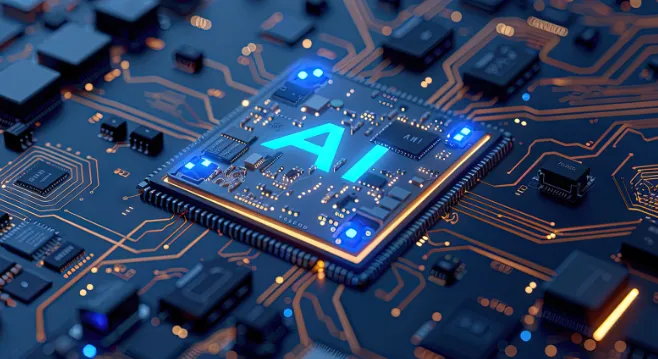
Figure 2: AI-focused processors and accelerators require significantly higher memory capacity, reshaping global semiconductor supply priorities. [Manufacturing Today]
Samsung, SK Hynix, and Micron are prioritising high-margin products like HBM and high-capacity DDR5. These serve AI accelerators and data centre applications. LPDDR and NAND components used in consumer electronics receive lower priority. Every wafer diverted to AI infrastructure means one less wafer available for smartphones.
Mike Howard from Tech Insights explains that cloud service providers finalised their memory requirements for 2026 and 2027. This gave memory makers clear demand visibility. Supply will not meet the levels major tech companies are planning for. With both demand clarity and supply constraints converging, suppliers steadily push prices upward.
Impact on Computer and PC Prices Rising in 2026
Steve Mason, general manager of CyberPowerPC, reports quotes around 500% higher than just months ago. He expects manufacturers will eventually be forced to make decisions about pricing. If a device uses memory or storage, price increases are possible. Manufacturers and consumers both face difficult choices in terms of PC prices rising in 2026.
Danny Williams from PCSpecialist expects price increases to continue well into 2026. The market performed strongly in 2025, but sustained high memory prices could reduce consumer demand in 2026. He’s seen varied impact across different memory producers depending on inventory levels.
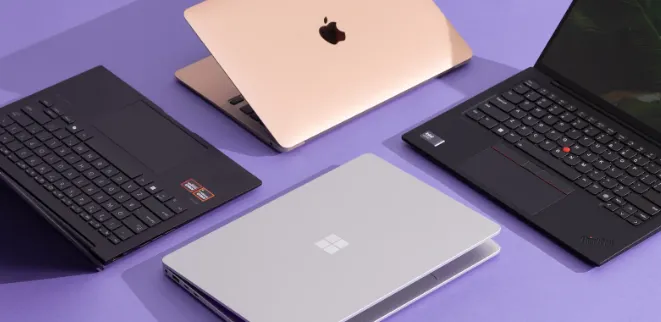
Figure 3: Laptops and personal computers face pricing pressure as higher memory requirements collide with rising component costs. [The New York Times Wirecutter]
Some vendors maintain larger inventories and show more subtle price increases of 1.5 to 2 times previous costs. Other firms without significant stock raised prices up to 5 times more. This disparity creates market confusion and makes planning difficult for computer manufacturers and consumers alike.
Manufacturing Cost Increases Coming in 2026
Memory typically accounts for 15% to 20% of total computer cost. Current pricing pushed that toward 30% to 40%. Margins in most consumer categories aren’t deep enough to absorb these increases. Mike Howard estimates a typical laptop with 16GB of RAM could see manufacturing costs increase by USD 40 to USD 50 in 2026.
Smartphone manufacturing costs face similar pressure. A typical smartphone could see building costs increase by USD 30. These manufacturing cost increases will likely pass directly to consumers. Manufacturers sometimes absorb small cost increases, but these jumps are anything but small.

Figure 4: Smartphones rely heavily on memory components, making them vulnerable to rising chip costs driven by AI demand. [CNET]
Computer builder reports indicate the market received intelligence suggesting pricing and supply challenges worldwide throughout 2026 into 2027. This extended timeline means temporary price spikes won’t quickly resolve. The structural nature of this shift suggests longer-lasting effects on consumer pricing.
Which Devices Face Biggest Price Pressures
Smartphones, particularly Android devices in mid and low-end segments, face significant exposure. Memory represents roughly 15% to 20% of the bill of materials in mid-range phones. This leaves little room to absorb cost inflation. Vendors must raise retail prices, cut specifications, or accept margin pain.
Brands operating on thin margins, including Xiaomi, Realme, Vivo, Oppo, and Transsion, will likely pass higher costs to buyers. Premium players like Apple and Samsung have better insulation through long-term supply agreements and financial resources. Even premium manufacturers may freeze RAM upgrades in 2026 rather than push specifications higher.
Personal computers face particularly awkward timing. The memory crunch collides with Windows 10’s end-of-life refresh cycle and the industry’s push for AI PCs. These machines require more RAM by design. Microsoft mandates at least 16GB for Copilot+ systems. Higher-end models move toward 32GB. Higher memory costs threaten this specification roadmap.
Industry Changes Behind Tech Price Increase 2026
Micron, previously one of the biggest RAM sellers, announced in December 2025 that it would stop selling its Crucial brand consumer products. The company will focus on AI demand instead. This removes one of the biggest players from the consumer market. It reduces choice for consumers while potentially freeing capacity for other manufacturers.
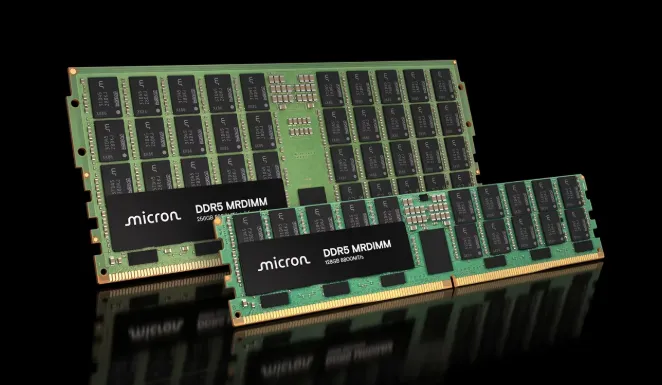
Figure 5: DDR5 memory modules used in servers and high-performance computing, where AI workloads are absorbing a growing share of global supply. [Micron Technology]
Larger PC vendors, including Lenovo, Dell, and HP signal price increases of 15% to 20% into 2026. These major manufacturers are likely to consolidate market share. Smaller brands, white-box assemblers, and DIY builders struggle to secure supply at viable prices. The market concentrates on companies with scale and financial resources.
Some suppliers paused issuing price quotes entirely. This rare move signals confidence that future prices will rise further. Market intelligence points to worldwide pricing and supply challenges throughout 2026 into 2027. The extended timeline suggests structural rather than cyclical change.
How Phone Prices Rising in 2026 and PC Prices Rising in 2026 Affect Buyers
Global smartphone volumes could shrink between 2.9% and 5.2% in 2026, according to IDC downside scenarios. Average selling prices may rise as much as 8%. In markets like India, where affordability is critical, this risks longer replacement cycles and weaker demand. Consumers may delay purchases, waiting for prices to stabilise.
PC shipments could fall by nearly 9% under pessimistic scenarios. Prices will rise sharply across product categories. This creates difficult conditions for convincing consumers and businesses to pay extra for AI features they’re still learning to value. The value proposition becomes harder to justify.
Consumers face a blunt choice with phone prices rising in 2026. They can pay more for equivalent specifications, accept less powerful devices at previous price points, or make do with existing technology longer. Danny Williams notes that computers are everyday items people need in the modern world. Increased memory prices force decisions between paying higher prices for needed performance or accepting compromises.
FAQ
Q1. Why are phone prices rising in 2026?
Ans. Phone prices rising in 2026 are driven by a sharp increase in memory chip costs as AI data centres absorb supply.
Q2. How will PC prices rising in 2026 affect buyers?
Ans. PC prices rising in 2026 reflect higher memory and storage costs, especially for AI-capable systems that require more RAM.
Q3. What is causing the tech price increase in 2026?
Ans. The tech price increase in 2026 is caused by AI infrastructure demand outpacing memory supply. Chipmakers are prioritising high-margin AI products over consumer electronics components.
Q4. How long will the tech price increase last?
Ans. Industry forecasts suggest the tech price increase could continue through 2026 and into 2027, as memory production has structurally shifted toward AI workloads rather than consumer devices.