
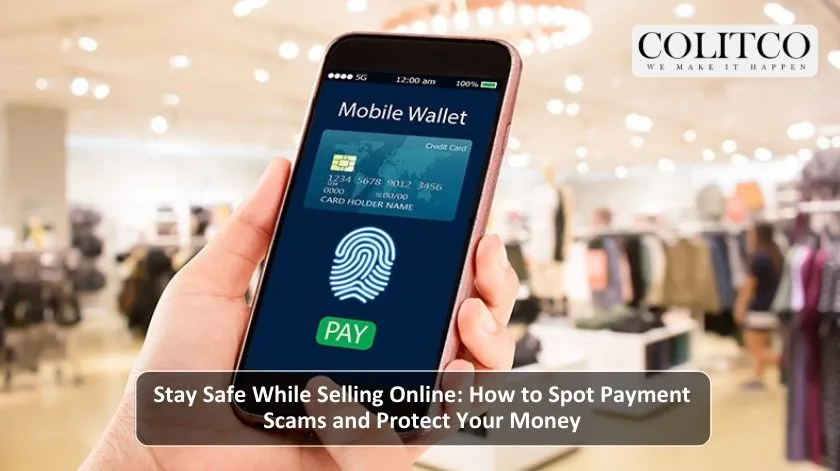
The online marketplace frauds have a global trend of rising up and thus, they are costing users millions of dollars each year. In Australia, more than 19,000 incidents related to shopping scams were reported, which in total caused a loss of $8.6 million.
Such scams usually take place on sites like Facebook Marketplace and Gumtree, wherein the buyers and sellers are connected to each other directly.
The impostors are producing fake advertisements or profiles to deceive people into paying for nonexistent items or extracting personal data. It is a must for you to learn the scam prevention tips so as to protect yourself online.
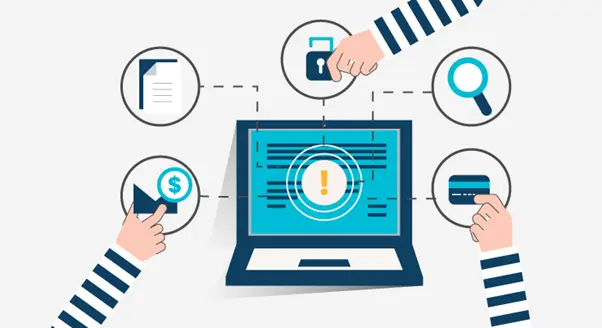
Online marketplace frauds cost Australians millions annually.
Why Do Scammers Target Online Marketplaces?
The fraudulent dealers consider marketplaces as low-risk and high-reward places. They take advantage of urgency, high prices and trust between users to fish their victims.
The conmen usually offer collaboration with continuity by creating multiple listings, asking for unrealistic payment or making unusual payment requests to get money upfront before disappearing.
The latter also sometimes resorts to using compromised or newly created profiles that have no reviews to avoid being caught.
What Are The Red Flags To Look Out For?
One of the best scam prevention tips is to recognise suspicious behaviour, and it is one of the most effective tips that you can adopt. Always be on the lookout for listings where the price is too good to be true or profiles with no activity history.
Scammers might also suggest weird payment methods such as direct bank deposits, gift cards, cryptocurrency, or PayID transfers, all are common tricks to avoid your protection. If a buyer or seller is trying to force you into making a quick decision, that urgency is often a deliberate tactic to limit your decision-making process.
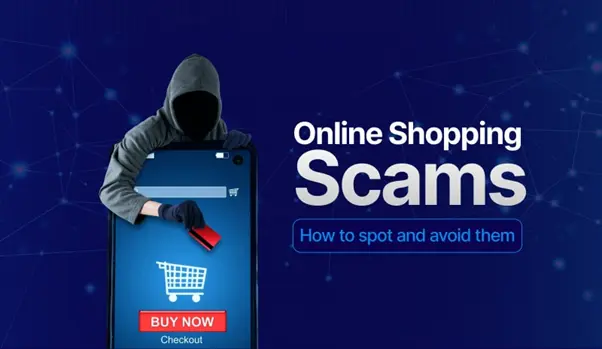
Recognise suspicious behaviour to prevent online shopping scams.
How Can You Protect Yourself Online When Buying?
Always perform thorough background checks on the person with whom you are going to transact online. Investigate their ratings and previous offers, and validate the account as real.
It is never acceptable to send money before you have had a chance to see the product, and always go for payment methods that are safe and come with buyer protection, like PayPal Goods and Services or credit cards. If inspection is not possible, ask for additional pictures or video walk-throughs to confirm the item’s existence.
How Should Sellers Stay Safe From Scams?
It is imperative to be equally vigilant when selling. Only after confirming that you have received the money in your bank account should you surrender the goods. One of the main tricks employed by con artists is to send fake screenshots of payments as proof.
Always meet your potential buyers in public places with good lighting and a considerable number of people around, preferably with CCTV or in a police safe exchange. Never give out your personal email or phone number; instead, communicate within the marketplace’s app or platform.
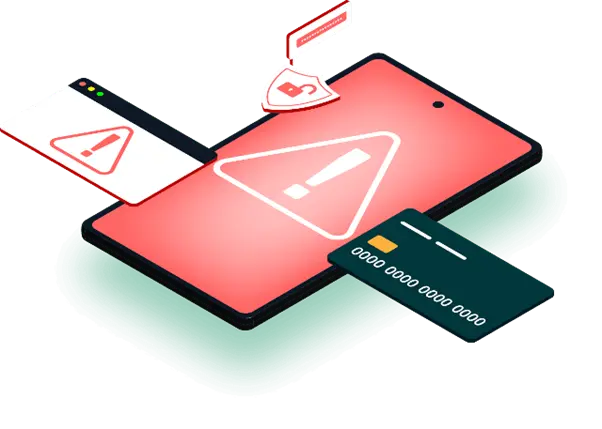
Ensure payment clears before sending goods to avoid scams.
What Tools And Practices Help Detect Scams?
Adopting smart tools and habits acts as an extra layer of protection against fraud. For instance, conducting a simple reverse image search can indicate if the same photographs are being used in other locations for dubious postings.
Keep yourself informed about the latest fraud trends and tactics, such as fake courier links or real-looking phishing messages. Using multi-factor authentication for your online accounts and strong, unique passwords will also protect your online presence.
What Should You Do If You Think You’ve Been Scammed?
In case of a scam or when you think you are the target of a scam, do not hesitate to take quick action. Get in touch with your bank right away to stop transactions, secure your accounts, and report the fraudulent activity.
If you are in Australia, apart from reporting to your bank and local police, it is also a good idea to report to Scamwatch, as it helps the authorities to track and stop further scams.
Also Read: Smart Travel Tuesday Tips For Consumers To Avoid Scams And Secure Genuine Travel Bargains
Frequently Asked Questions
Q1: What Are The Most Common Online Marketplace Scams?
A1: Common scams include fake listings, overpayment schemes, duplicate ads and requests for payment upfront via unprotected channels.
Q2: Can You Get Money Back After A Marketplace Scam?
A2: If you act quickly, your bank or payment provider may help reverse the transaction, especially with protected services. Always report scams immediately.
Q3: Are All Online Marketplaces Unsafe?
A3: No, most platforms are safe when used carefully. Scam prevention tips like verifying profiles and choosing secure payments reduce risk significantly.
Q4: What Is The Best Way To Report A Scam In Australia?
A4: Report potential scams to your bank, Scamwatch and the police. These reports help protect others and support investigations.