The world oil markets were highly volatile this week as the traders responded to geopolitical events and diplomatic indications.
Brent crude and West Texas Intermediate (WTI) fell over 6 per cent because political remarks indicated that the situation in the Middle East could calm down. Brent futures dropped by 6.51 or 6.6 percent to 92.45 per barrel, and WTI crude dropped by 6.12 or 6.5 percent to 88.65 per barrel.
These upsurges came after a dramatic rise earlier when prices had risen to above 100 per barrel due to fears of shortage. Brent crude is the oil reference price in the world market, and it is a significant product in the worldwide energy market, which may affect the whole cost of fuel and the inflation trends around the world.
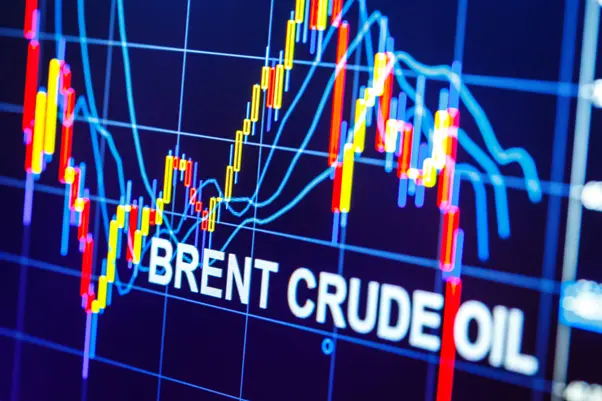
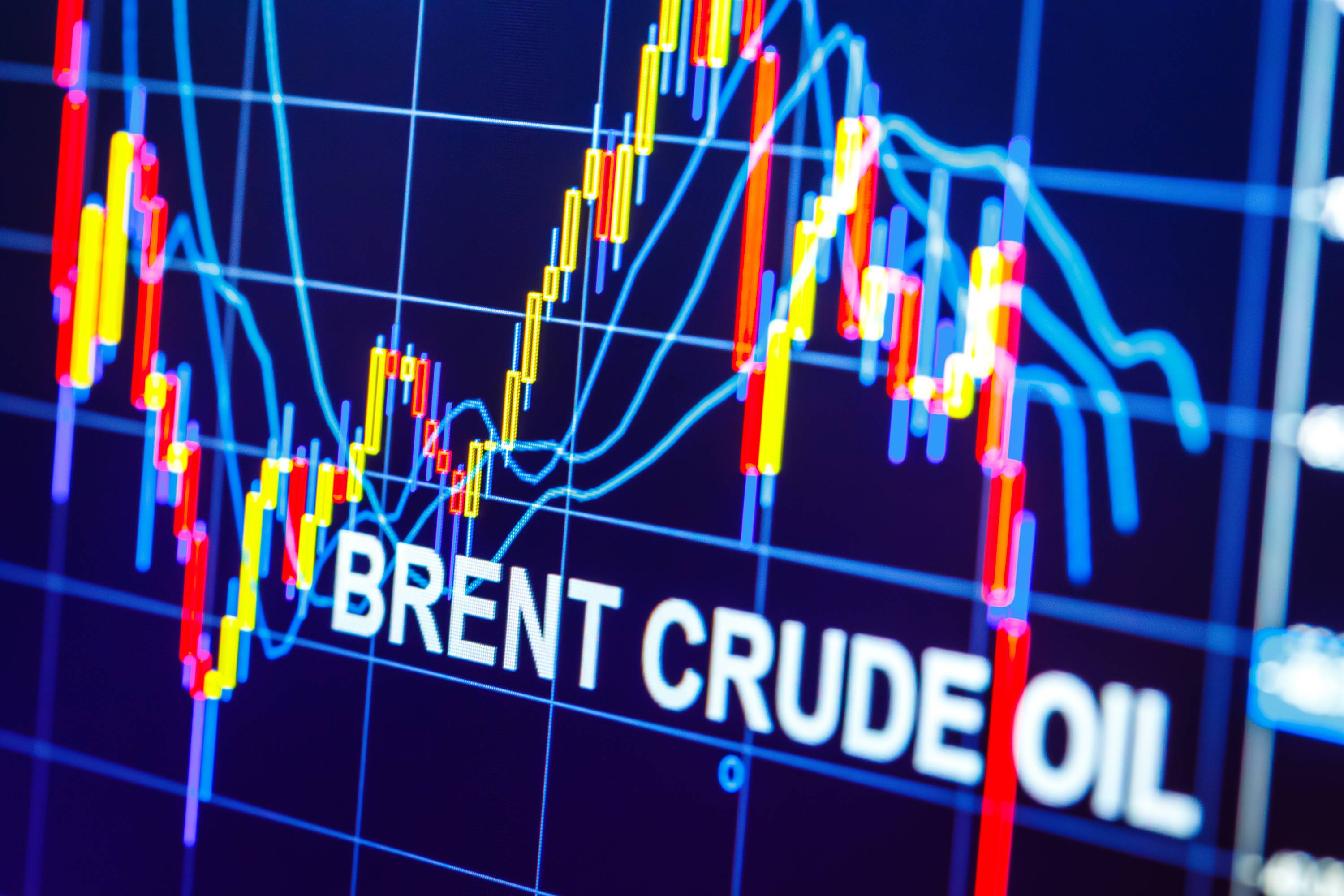
Brent crude remains the global benchmark for international oil prices. [Courtesy: Marine Link]
Oil Markets React To Middle East De-Escalation Signals
Oil prices dropped on March 10 as political overtures indicated that the Middle East wrangle might soon come to an end. The swiftness of markets was due to the fact that geopolitical tensions directly impact the global supply expectations of oil.
The prices went up earlier in the week due to the reduction of supply by Saudi Arabia and other producers, and the rising conflict with Iran.
Brent crude momentarily reached its strongest level of up to $119.50 since the middle of 2022. This, however, changed the sentiment of the investors upon remarks that the war might come to an end soon.
The move eased the concerns about long-term disruptions in the supply, which caused an abrupt reversal of the oil futures in the world trade.
How Do Geopolitical Events Influence Oil Prices?
The geopolitical situation is such that oil prices are sensitive to changes since most of the routes of supply and oil-producing areas are very concentrated.
Wars between large manufacturers or main shipping routes cause uncertainty about the availability of supply in future. One of these key chokepoints is the Strait of Hormuz that conducts approximately a fifth of the oil shipments worldwide.
Traders tend to expect an interruption when the tensions become close to this route and inflate the prices. On the other hand, the signals of diplomatic advancement or ceasefire make perceived risk and spur prices to decline rapidly.
The market movement this week shows that political statements can be used on their own to cause significant movements in the world commodities markets
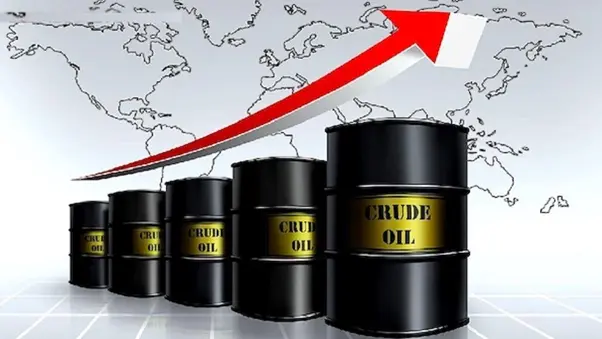
Geopolitical tensions around key oil routes drive major price swings. [Courtesy: MarketForces Africa]
Brent And WTI Benchmarks Drive Global Energy Pricing
The Brent crude and West Texas Intermediate are two key indicators that lead the world oil market. The North Sea is the source of thBrentnt crude, which is used as the main international price marker.
The most important indicator for the oil markets of North America is WTI, which is mostly generated in the United States.
These benchmarks are used by traders, analysts, and governments toanalysee the supply conditions and to establish trading strategies.
The variations in prices between Brent and WTI also indicate the constraints of supply in the region or transport constraints. Collectively, these standards affect the energy companies, financial markets and national economies in the world.
Where Can Investors Track Oil Prices In Real Time?
Oil is traded in commodity exchanges, financial news outlets and specialised trading instruments by investors and traders. Oil Trading Platforms are used by many traders in the world to monitor Brent and WTI.
On these platforms, there are real-time charts, future data and geopolitical analysis. Inventory report, production and shipping data are also tracked by energy traders.
The participants of the market, by integrating these indicators and the price charts, are trying to predict the future fluctuations in prices. Digital trading platforms have thus been a necessity to investors operating in volatile energy markets.
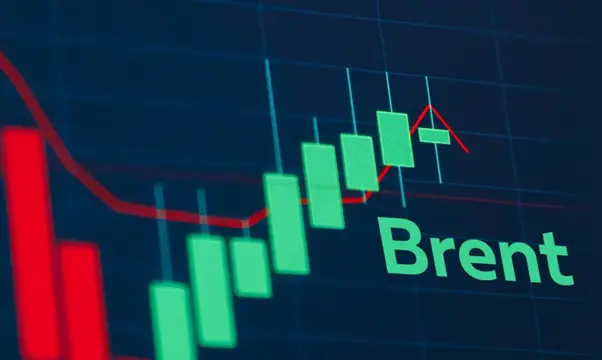
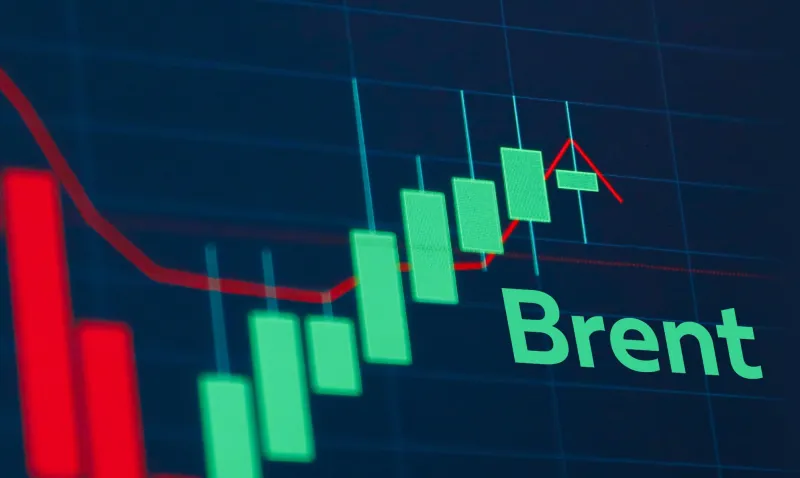
Trading platforms provide real-time Brent and WTI price tracking. [Courtesy: Economies.com]
How To Track Oil Prices During Market Volatility?
The How to Track Oil Prices payment obliged to pay attention to several indicators at the same time. Futures markets, geopolitics, supply announcements, and demand predictions are some of the areas that traders tend to monitor.
There is also the use of weekly inventory data of key economies. The current oil market, analysts reckon, might be volatile owing to the presence of geopolitical risks, which diffuses, albeit temporarily, due to the presence of certain indicators.
Both the Brent and WTI benchmarks should be observed closely by investors in addition to the political situation across the world. Close monitoring aids traders to be able to timely respond to ever changing price which may change within a few hours.
Also Read: How Investors Can Navigate an ASX Sell‑Off Amid Oil Rally
FAQs
Q1. What is Brent crude oil?
A1: Brent crude oil is a global benchmark used to price about two-thirds of internationally traded crude oil.
Q2. Why did oil prices fall recently?
A2: Oil prices dropped after signals suggested possible de-escalation of Middle East tensions, easing supply disruption fears.
Q3. What is the difference between Brent and WTI oil?
A3: Brent represents international oil pricing, while WTI mainly reflects US oil market conditions.
Q4. How can traders track oil prices globally?
A4: Traders monitor commodity exchanges, financial news sources, and oil trading platforms that provide real-time data.
Disclaimer:
This article is for informational purposes only and does not constitute financial or investment advice. Colitco does not recommend buying or selling any asset. Readers should conduct independent research or consult a qualified financial advisor before making investment decisions.
Sources:
- Oil falls over 6% as Trump predicts Middle East de-escalation
- Oil sinks 7% as Trump predicts Middle East de-escalation