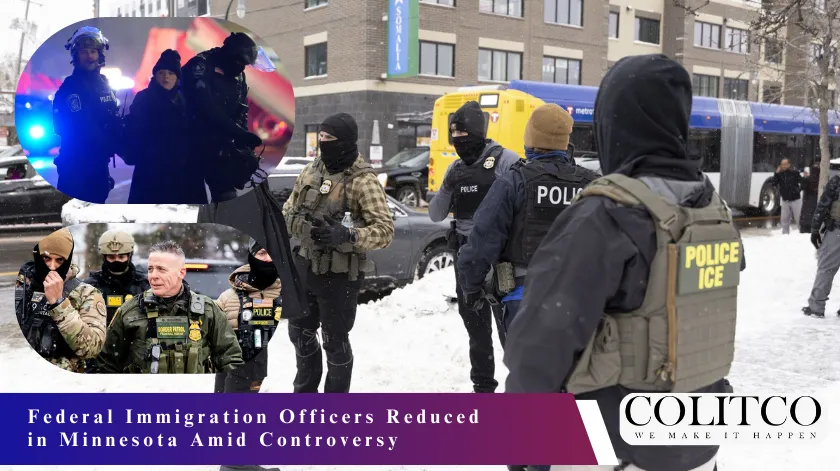
The U.S. government is reducing the number of federal immigration officers in Minnesota, withdrawing around 700 personnel. Authorities stated that federal enforcement operations will continue despite the partial drawdown, maintaining an active presence in the Minneapolis and St. Paul regions.#
Partial Withdrawal of Officers
Approximately 3,000 federal personnel were initially deployed in Minnesota, with numbers now decreasing to nearly 2,000. Officials noted that improved coordination with local law enforcement made the reduction possible.
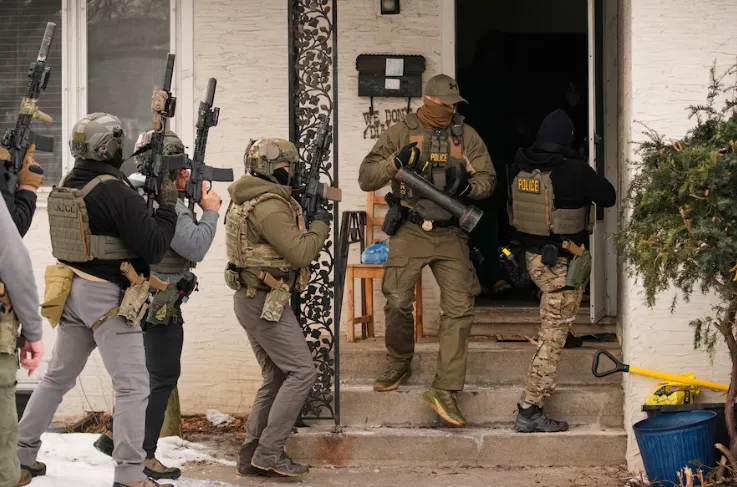
Federal ICE officers remain in Minnesota despite a partial drawdown. [Source: The Globe and Mail]
Tom Homan, the White House border coordinator, confirmed the partial withdrawal in a statement, adding that federal enforcement operations will continue. He noted that local jails cooperating with federal authorities facilitated this change.
Authorities emphasized that federal officers will continue arresting and detaining undocumented immigrants. Enforcement operations remain active to address immigration violations while supporting local law enforcement efforts.
Operation Metro Surge Background
The large federal deployment was part of Operation Metro Surge, which aimed to enforce immigration laws and reduce local crime. ICE and CBP worked together to implement the initiative across Minneapolis and surrounding areas.
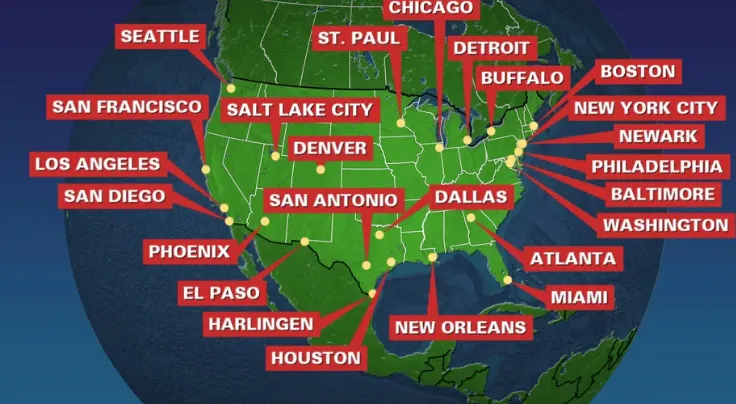
Map shows federal ICE deployment areas across Minnesota counties. [Source: FOX 9]
The operation drew national attention due to the scale of federal presence and confrontations with local residents. Officials described it as a response to illegal immigration patterns and associated criminal activities.
Fatal Incidents During Enforcement
Two U.S. citizens, Renée Good and Alex Pretti, were killed during confrontations involving federal agents. Both deaths prompted investigations and heightened public concern.
These incidents led to protests in Minnesota demanding accountability and further scrutiny of federal actions. Local and national leaders called for transparency and proper investigative measures following the fatalities.
Legal and Investigative Challenges
State investigators in Minnesota reported limited access to evidence related to the shootings. The FBI assumed primary control over investigations, restricting state-level involvement.
Authorities have emphasized coordination among federal and state agencies to ensure proper investigation protocols. Legal and procedural reviews remain ongoing while enforcement operations continue.
Public Reaction to Federal Presence
Community groups and activists criticized the scale of federal deployment, citing concerns over aggressive enforcement tactics. Protests and social media campaigns called for changes to federal operations.
Some local officials stressed the importance of federal support for immigration enforcement while advocating for improved transparency. Debates continue over the balance between public safety and civil liberties.
Asda Owner Faces Scrutiny Over U.S. Links
Separately, Asda’s ownership has come under scrutiny for alleged financial ties to U.S. companies involved in immigration detention. TDR Capital, Asda’s majority shareholder, reportedly holds investments in firms managing ICE detention facilities.

Asda’s majority owner TDR Capital faces public scrutiny over U.S. detention links. [Source: Shutterstock]
Critics raised concerns about ethical considerations due to these connections. Public attention has focused on how corporate ownership intersects with U.S. enforcement operations.
Public Response to Corporate Links
Consumer advocacy groups and social media users questioned TDR Capital’s investments, raising calls for transparency. Many highlighted potential reputational concerns for Asda due to its ownership links.
While Asda continues operations in the UK, scrutiny over ownership ties persists. The debate reflects growing public interest in corporate responsibility regarding international activities.
Ongoing Enforcement Operations
Federal authorities emphasized that the reduction in personnel does not signal a decline in enforcement activity. ICE and CBP will maintain a presence to continue arrest and detention operations.
Officials noted that federal officers will work with local law enforcement to address criminal activity linked to immigration violations. The federal presence remains integral to ongoing enforcement objectives.
Communication and Public Updates
Officials have used public statements and social media to provide updates on the drawdown and continued operations. Tweets from the Department of Homeland Security outlined the reduction in personnel while confirming ongoing enforcement activities.
Federal agencies emphasized transparency in communications to reassure the public that operations will continue lawfully. Coordination with local authorities remains central to ongoing enforcement planning.
Also Read: Bill Gates Apologises for Time Spent with Jeffrey Epstein, Denies Claims in Newly Released DOJ Files
Summary of Developments
Federal immigration enforcement in Minnesota has been scaled back amid public criticism, yet operations continue. Fatal incidents and protests have shaped the public discussion. Meanwhile, Asda faces scrutiny over ownership links to companies managing U.S. detention facilities.
The drawdown reflects adjustments to enforcement deployment without halting federal operations. Both situations remain under observation by authorities, local communities, and the public.
FAQs
- Why are federal immigration officers being reduced in Minnesota?
Federal authorities announced the withdrawal of about 700 immigration officers in Minnesota. Officials cited improved cooperation with local law enforcement as a key factor for the change. Even with fewer personnel, enforcement operations by ICE and CBP will continue in the area.
- Will the federal immigration enforcement operation in Minnesota end entirely?
No. Although around 700 officers will leave, approximately 2,000 immigration enforcement personnel will remain active in Minneapolis and surrounding areas.
- What was Operation Metro Surge, and why did it attract attention?
Operation Metro Surge was a federal immigration enforcement initiative in Minnesota involving ICE and CBP. The large-scale deployment drew national attention because of public protests and fatal shootings tied to enforcement actions.
- What have local courts ruled regarding attempts to halt the federal enforcement operation?
A federal judge rejected requests from Minnesota officials to halt Operation Metro Surge, concluding that the plaintiffs did not meet the legal standard required for a preliminary injunction.
- Are Minnesota counties cooperating with federal immigration authorities?
Yes. Eight Minnesota counties have signed cooperation agreements with ICE to assist with arrest and detention efforts.
- Can local law enforcement hold people based solely on ICE immigration detainers?
Under Minnesota law, law enforcement cannot hold someone solely on an ICE immigration detainer if they would otherwise be released.
- Is the Department of Homeland Security’s count of people with ICE detainers in custody in Minnesota accurate?
Data from Minnesota’s Department of Corrections shows far fewer people with ICE detainers in state or county custody than federal figures suggest, leading to conflicting accounts.
- What are “immigration detainers,” and how do they affect custody?
A federal immigration detainer is a request from ICE asking local authorities to hold someone for up to 48 hours beyond release. Minnesota law considers enforcement of detainers as potential unlawful detention if not backed by a valid warrant.
- Why is the owner of Asda under public scrutiny?
The owner of Asda, TDR Capital, faced criticism for financial links to companies involved with U.S. immigration detention facilities operated under ICE, prompting public and media attention over corporate ties.
- What type of companies are allegedly connected to Asda’s ownership?
Reports mention that TDR Capital, the majority shareholder of Asda, has financial interests in firms that manage detention facilities used by U.S. immigration authorities.
- What is the public response to Asda’s ownership links?
Consumers and advocacy groups have questioned the ethical dimensions of these connections, with discussions circulating online about accountability and transparency.
- What rights do immigrants face after an ICE arrest?
Individuals detained by ICE typically undergo processing, including fingerprinting and potential detention or removal proceedings. They may have the right to counsel, due process, and, in some cases, the right to request bond before an immigration court.