
Meteoric Resources NL releases the Pre-Feasibility Study for the Caldeira Rare Earth Project. The company reports a mineral resource estimate totalling 1.5 billion tonnes. This figure identifies the deposit as the largest ionic absorption clay resource outside China.
The study outlines a project with a post-tax Net Present Value of US$1.3 billion. It also projects a post-tax Internal Rate of Return of 28% and a pre-tax IRR of 36%. The findings support a multi-decade operation based on current resource data.
- The project holds 1.5 billion tonnes in total resources.
- The Ore Reserve contains 103 million tonnes at 4,091 parts per million Total Rare Earth Oxide.
- Development requires US$443 million in total capital expenditure, including contingency.
- The company targets 13,584 tonnes of average annual oxide production.
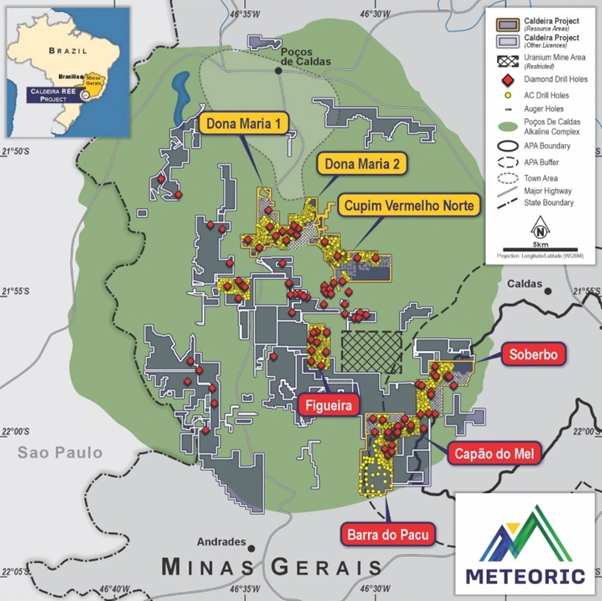
Figure 1: The Caldeira Rare Earth Project [Meteoric Resources]
Global Economic Significance
The Caldeira Project secures a supply of magnetic minerals for Western markets. Demand for Neodymium, Praseodymium, Dysprosium, and Terbium increases as technology and defence sectors expand. These minerals power electric vehicle motors and permanent magnets.
China currently controls a large portion of the global rare earth supply chain. Restrictions on exports from China highlight the need for alternative sources. Meteoric Resources NL offers a solution to reduce geopolitical risks in the mineral sector.
- The project represents 5% of the global NdPr market.
- Production includes 135 tonnes of annual heavy magnetic DyTb oxide.
- The site provides critical feedstock for the Defence Industrial Base Consortium.
Corporate Governance and Collaborative Partners
Meteoric Resources NL, an Australian company listed on the ASX under the ticker MEI, manages the project. Executive Chairman Dr Andrew Tunks and Managing Director Stuart Gale lead the organisation. The board includes directors Dr Paul Kitto, Mr Peter Gundy, Dr Nomi Prins, and Mr Peter Sheehan.
BNA Mining Solutions prepared the mineral resource estimates for the various deposits. Project partners include Ucore, Neo Performance Materials, and Metallium. These entities signed memorandums of understanding for offtake and processing.
- Dr Marcelo de Carvalho serves as the Chief Operating Officer.
- Mr Andy Thomson holds the position of Chief Financial Officer.
- BNA Mining Solutions released resource data for Cupim Vermelho Norte in March 2025.
- Ucore and Neo Performance Materials focus on rare earth separation and magnet production.
Regional Setting and Infrastructure Assets
The project sits in the Minas Gerais state of Brazil. This region serves as the largest mining state in the country. Specifically, the site occupies the Poços de Caldas Alkaline Complex.
The location provides access to established industrial infrastructure. A dam located 400 metres from the plant site supplies water. The Port of Santos, situated 254 kilometres away, handles product shipments.
- The site connects to a power grid via a 2.5-kilometre overhead line.
- Renewable sources like hydro, solar, and wind provide 100% of the energy.
- Road access requires the construction of a 3-kilometre unsealed road.
- Fibre optic connections provide telecommunications for the operation.
Implementation Schedule and Technical Validation
The company commissioned a pilot plant in December 2025. This plant currently produces mixed rare earth carbonate samples for partners. The Pre-Feasibility Study results reached the market on 21 July 2025.
Also Read: Why Dysprosium, Neodymium & Praseodymium Are The Rare Earths Investors Should Watch Now
The development plan targets first production in 2028. Environmental licensing progressed with the receipt of an unconditional preliminary licence. The company now awaits a construction licence following the recent application.
- Resource data for Soberbo and Capão do Mel arrived in mid-2024.
- The pilot plant operates at a throughput of 600 kilograms per day.
- Projected payback on capital occurs within 2.5 years.
- The study assumes a life expectancy exceeding 20 years.
Operational Processes and Capital Structure
The company utilises a flowsheet to extract minerals from ionic clays. This process avoids steps like drill and blast or tailing dams. The team washes the clays and uses ionic exchange to collect the rare earths.
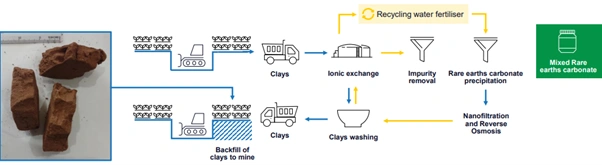
Figure 2: The process flowsheet [Meteoric Resources]
Financing for the US$443 million development involves a mix of debt and equity. Meteoric Resources NL targets a 60:40 ratio for debt and equity funding. Government agencies and strategic partners provide potential capital sources.
- The process achieves a 70% recovery rate for magnetic minerals.
- The plant produces 2 kilograms of dry carbonate daily during pilot testing.
- Mining costs average US$2.89 per kilogram of oxide.
- Processing costs add US$6.89 per kilogram to the total.
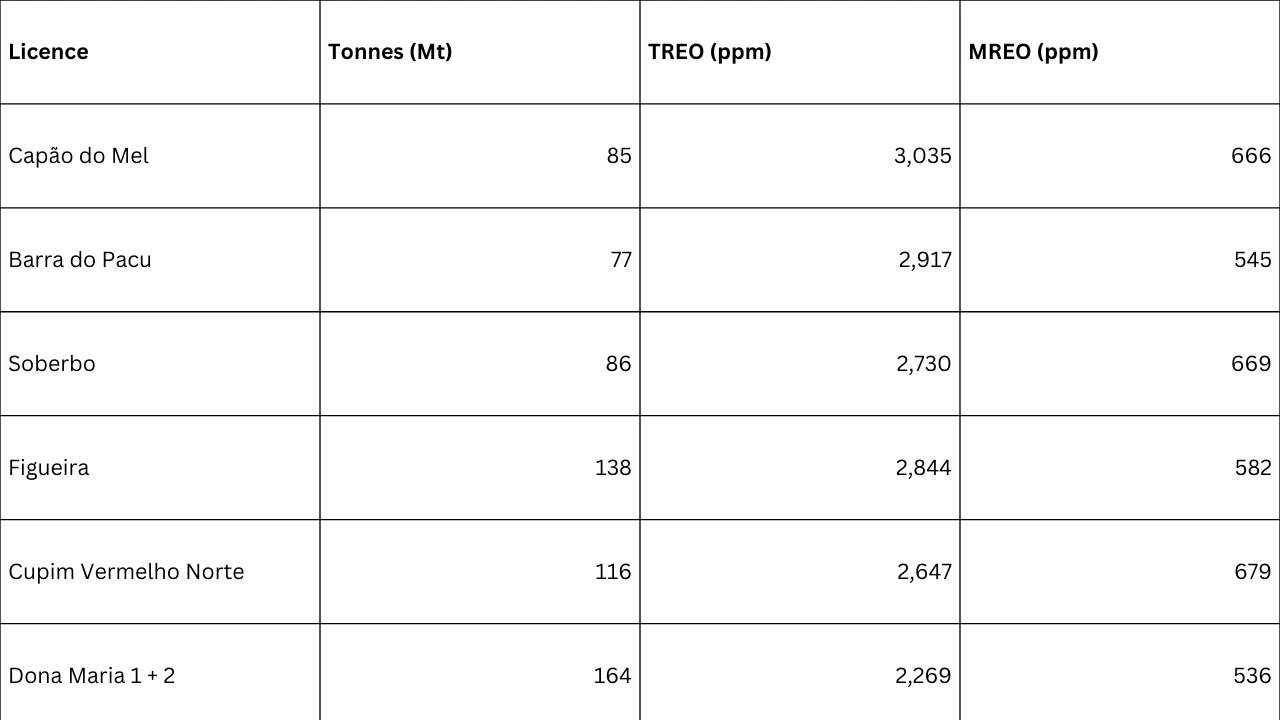
Mineral Resource Breakdown by Deposit (Measured + Indicated)
Annual Production Volumes (Tonnes)
- Year 1: 624t Praseodymium, 1,620t Neodymium, 12t Terbium, 57t Dysprosium.
- Year 5: 1,094t Praseodymium, 2,954t Neodymium, 21t Terbium, 100t Dysprosium.
- Years 11-15: 5,429t Praseodymium, 15,622t Neodymium, 112t Terbium, 515t Dysprosium.
The project remains viable at the bottom of the price cycle. High grades and low strip ratios keep operating costs competitive with Chinese production. Meteoric Resources NL continues to expand its resource base through exploration.