
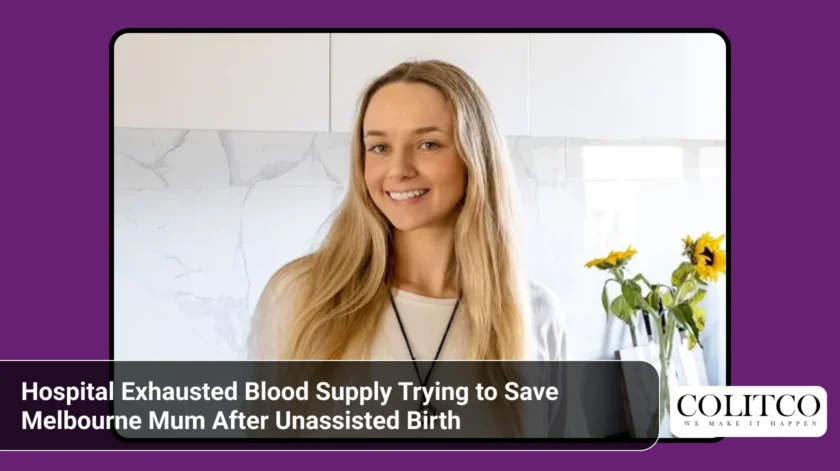
A Melbourne nutritionist and wellness influencer died hours after giving birth at home, with a Victorian coroner hearing doctors used every unit of her blood type in a desperate attempt to save her life.
Stacey Warnecke died from a postpartum haemorrhage on 29 September 2025. The 30-year-old had delivered her son Axel at her Melbourne home with only her husband Nathan and an unregulated doula present.
The Victorian Coroner’s Court heard harrowing details on Wednesday about the final hours of the qualified nutritionist who promoted a “chemical-free” lifestyle on social media.
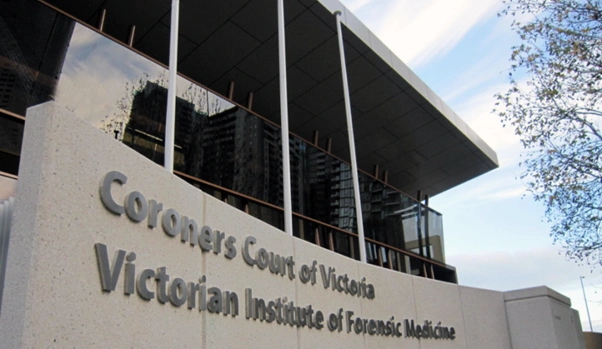
The Victorian Coroner’s Court is investigating multiple freebirth-related deaths.
What Happened in the Early Hours of 29 September
Paramedics received an emergency call around 4.30am. They arrived to find Ms Warnecke sitting near a birthing pool.
Her skin had turned yellow. She struggled to breathe.
Counsel assisting Rachel Ellyard told the court that Ms Warnecke’s condition had rapidly deteriorated after successfully delivering her baby boy. The infant was healthy.
Emergency responders rushed her to Frankston Hospital. Despite aggressive medical intervention, nothing could reverse the severe blood loss.
The hospital completely exhausted its supply of Ms Warnecke’s blood type during frantic resuscitation efforts.
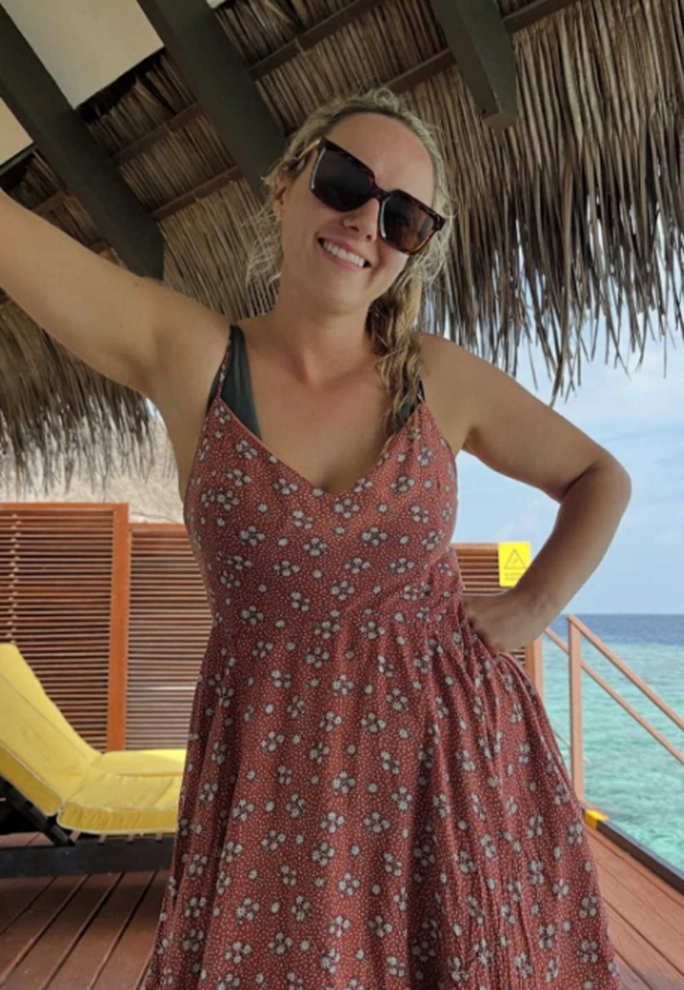
The Role of Emily Lal, The “Authentic Birthkeeper”
Emily Lal was present during the birth. She promoted herself on social media as a freebirth “keeper”.
Ms Lal is not a registered midwife or health professional. She has no formal medical qualifications.
The court heard that Ms Lal refused to provide a statement to police investigating Ms Warnecke’s death. Her husband Nathan did cooperate with detectives.
Victoria’s Health Complaints Commissioner launched an investigation into Ms Lal in October 2025. The watchdog issued an interim prohibition order preventing her from providing birth-related services.
Key allegations against Ms Lal include:
- Facilitating homebirths that put mothers and babies at risk
- Cleaning the Warnecke home extensively the day after the death
- Refusing to cooperate with police investigators
- Promoting unregulated birthing practices online
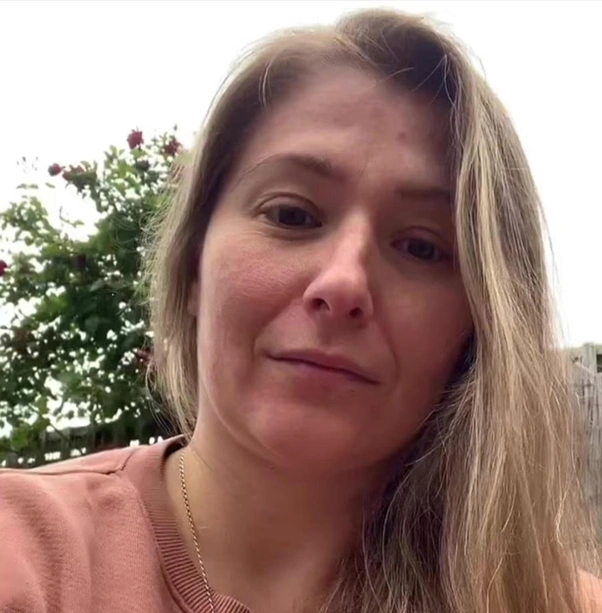
Emily Lal promoted herself as “The Authentic Birthkeeper” on social media.
COVID Concerns Influenced Fatal Decision
The court heard that Ms Warnecke was “profoundly affected” by COVID-19 mandates and pandemic-era health policies.
These concerns appear to have shaped her decision-making during pregnancy. She declined all standard prenatal care.
Ms Warnecke received no ultrasounds during her pregnancy. She avoided appointments with midwives or obstetricians.
Counsel assisting Ms Ellyard stated the investigation will examine Ms Warnecke’s thoughts on the healthcare system and how broader pandemic attitudes influenced her birth plan.
Rising Freebirth Movement Draws Safety Warnings
Freebirth differs from homebirth. A homebirth involves registered healthcare professionals. A freebirth explicitly excludes them.
The Royal Australian and New Zealand College of Obstetricians and Gynaecologists (RANZCOG) called for urgent legislation in November 2025.
They want laws preventing unregistered individuals from managing labour and birth. South Australia already has such restrictions.
RANZCOG President Dr Nisha Khot said: “While choice and model of care are important, such choice must operate within frameworks that ensure safety, quality and accountability.”
The Australian College of Midwives joined the call. They cited “preventable harm and loss of life” from freebirths.
Statistics Show Growing Concern
- 6% of Australian births occurred outside hospitals in 2021
- Victoria recorded at least two freebirth-related deaths in 2022-2025
- Eight out of ten women in some regions lack access to continuity of midwifery care
Some advocacy groups argue that poor access to quality maternity care drives women toward freebirths. Better Births Illawarra called proposed bans “a dangerous distraction” from fixing systemic healthcare failures.
Previous Tragedy Involving Same Doula
Emily Lal was also connected to another infant death in December 2022.
A baby girl known as Baby E died hours after birth in a Melbourne home. The parents had hired a birthing pool from Ms Lal.
A coronial inquiry found the death “preventable”. The baby died from neonatal pneumonia and meconium aspiration linked to prolonged labour in a birthing pool.
Ms Lal initially told the coroner she had minimal contact with the family. Later evidence revealed she received urgent messages from the mother saying “we can’t wake her” and saw the blue-faced infant via FaceTime.
No adverse findings were made against Ms Lal in that case. But the pattern raised concerns about her involvement in multiple tragedies.
Investigation Continues into March 2026
The coroner will seek statements from Emily Lal, paramedics, and medical staff who treated Ms Warnecke.
Ms Ellyard indicated the investigation will examine:
- Ms Warnecke’s relationship with Emily Lal
- The extent of Lal’s involvement in the birth
- Why Ms Warnecke chose to avoid all medical care during pregnancy
- How COVID-era concerns affected decision-making
- Whether current regulations adequately protect women and babies
The case returns to court in March 2026 for a further directions hearing.
A full inquest will follow. The coroner will make recommendations aimed at preventing similar deaths.
Wellness Industry Under Scrutiny
Ms Warnecke’s death has reignited debate about wellness influencers and their impact on health decisions.
She promoted natural living and chemical-free products to thousands of followers. Her husband described her as passionate about holistic health.
Critics argue that wellness culture sometimes encourages distrust of medical professionals. Supporters say women deserve autonomy over their bodies and birth choices.
The intersection of social media influence and healthcare decisions creates unique risks. Unqualified individuals can reach massive audiences with unverified health advice.
Dr Heather Waterfall, Chair of RANZCOG’s South Australia and Northern Territory Committee, said: “Women and babies deserve safe, evidence-based care. By enshrining in law the requirement that birthing services be provided by registered professionals working to defined standards, we have elevated system-wide practice.”
What This Means for Pregnant Women
Medical experts stress that pregnancy and birth carry inherent risks. Professional monitoring can identify and manage complications.
Postpartum haemorrhage remains a leading cause of maternal death globally. It requires immediate medical intervention.
Blood loss can escalate within minutes. Home settings lack access to emergency blood transfusions, surgical teams, and intensive care.
Women considering homebirth should:
- Engage with registered midwives or doctors
- Arrange backup plans for hospital transfer
- Understand risk factors for complications
- Ensure blood products are available if needed
- Avoid unregulated birth attendants
The Australian College of Midwives supports homebirth when conducted by qualified professionals with proper risk assessment and contingency planning.
The Broader Context of Maternal Healthcare
Australia’s maternity system faces significant pressure. Private maternity services are closing. Public hospitals are stretched.
RANZCOG reported that births in private hospitals fell from 30% in 2014 to 20% in 2024. This shifts more demand to already-strained public facilities.
Access to continuity of midwifery care remains limited in many regions. Some women report feeling pressured or dismissed by healthcare providers.
These systemic issues create an environment where some mothers seek alternatives outside traditional care. Addressing freebirth risks requires fixing underlying healthcare gaps.
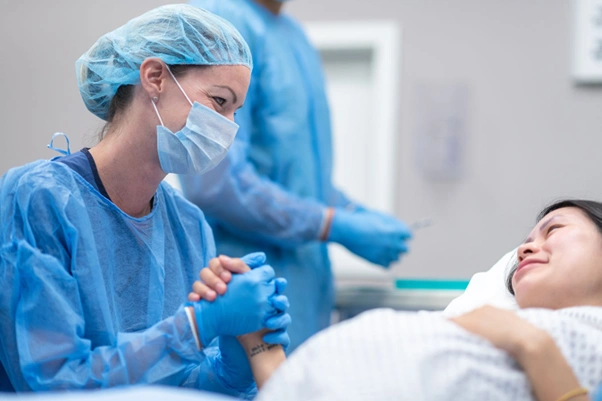
Australia’s maternity system faces capacity challenges as demand grows.
Conclusion
Stacey Warnecke died from a postpartum haemorrhage following an unassisted home birth. Her death is now the subject of a coronial investigation examining the role of unregulated birth attendants and the influence of pandemic-era distrust in healthcare.
The tragedy has sparked renewed calls for legislation restricting birth management to qualified professionals. Medical colleges argue such laws would prevent needless deaths.
Advocacy groups counter that better access to quality, respectful maternity care would address the root causes driving women toward freebirths.
The coroner’s findings, expected in 2026, may shape Australia’s approach to regulating birth attendants and protecting maternal health.
Ms Warnecke’s son Axel survived the birth. He now faces growing up without his mother.