

Victoria faces unprecedented holiday disruption as multiple bushfires spread rapidly across the state. Catastrophic fire conditions force authorities to shut down more than 1,500 parks and outdoor facilities. Emergency services declare total fire bans across all regions. Holiday-makers scramble to abandon accommodation as evacuation orders expand throughout affected zones.
Widespread Park and Facility Closures Impact Holiday Plans
Parks Victoria closed all parks within catastrophic fire danger areas on Friday, 9 January 2026. The closure encompasses iconic destinations across the state’s most popular tourism regions. Dandenong Ranges National Park, Grampians National Park, and Great Otway National Park shut their gates to visitors. Lower Glenelg National Park, Lake Eildon National Park and Mt Buffalo National Park also suspended public access. Wyperfeld National Park, Hattah-Kulkyne National Park, and Murray-Sunset National Park ceased operations. The Twelve Apostles and other Great Ocean Road attractions closed completely.
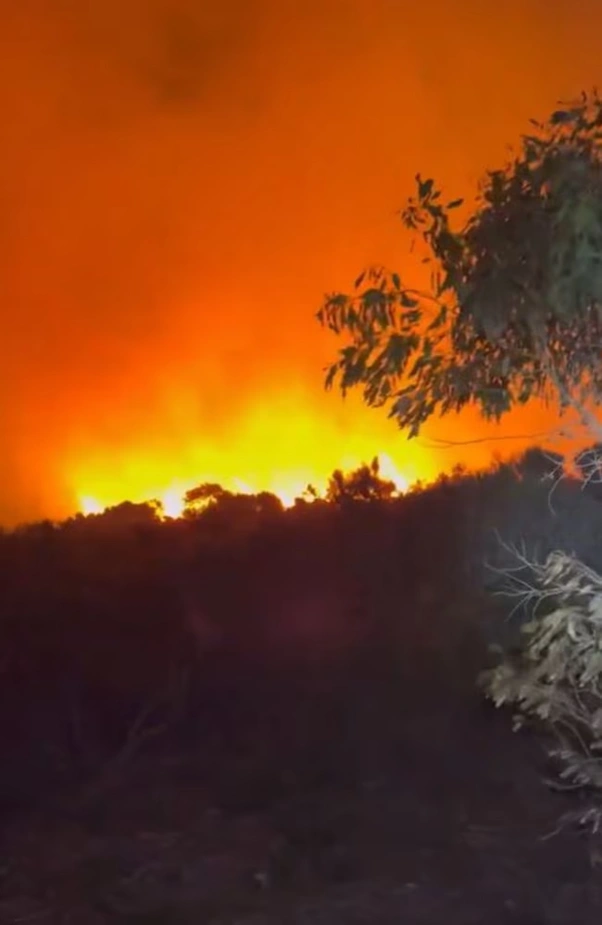
Camping bookings faced automatic cancellation and full refunds across all affected parks. Parks Victoria contacted customers directly with cancellation details and refund information. Council-owned facilities in bushfire-prone areas suspended operations, including community centres, sporting facilities and kindergartens. Regional facilities across Cardinia Shire, Greater Melbourne and surrounding councils ceased all services. Emerald Lake Park and Nobelius Heritage Park closed to all vehicles and pedestrians throughout Friday.
Railway and Transport Networks Disrupted During Holiday Period
V/Line suspended services on nine regional rail lines due to safety protocols under the Australian Fire Danger Rating System. Warrnambool, Albury, Bendigo, Shepparton and Echuca train services ceased operations. No replacement coach services were provided to affected commuters and holiday travellers. Only Geelong and Ballarat rail corridors operated, running with modified heat-adjusted timetables and reduced speeds.
Great Ocean Road caravan parks faced mandatory evacuations on 8 January. Kennett River, Wye River and Skenes Creek caravan parks cleared all residents to safer locations. Holiday-makers abandoned their caravans and relocated within hours. Vehicle queues extended for kilometres as families fled coastal holiday destinations. Travellers reported cancelling holiday plans entirely rather than risk journey disruptions.
V/Line train and coach services scheduled to operate through Catastrophic Fire Danger rated districts tomorrow will not run. This includes trains on the Warrnambool, Ararat, Maryborough, Bendigo, Echuca, Swan Hill, Seymour, Shepparton & Albury lines. https://t.co/ccDzYk2Jzi pic.twitter.com/Kv1VHxLkXm
— V/Line (@VLine) January 8, 2026
Destructive Fires Consume Vast Areas and Destroy Properties
The Longwood bushfire consumed nearly 36,000 hectares of bushland across central Victoria. At least ten properties were destroyed in the small town of Ruffy, including the community school building. Ruffy CFA captain George Noye provided a stark assessment of the damage: “It’s like a bomb has gone off.” The town’s main street resembled a disaster zone following the fire’s passage. Residents lost livelihoods, shearing sheds and livestock in the destruction.
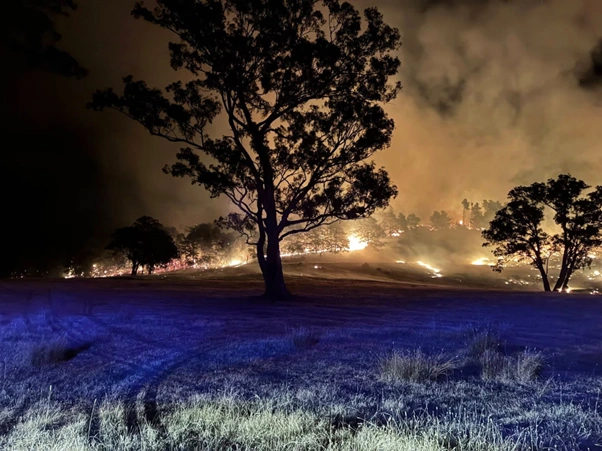
The bushfire burning at Longwood overnight
A separate bushfire near Walwa and Mt Lawson burned more than 17,000 hectares along the Victoria-New South Wales border. Emergency Management Commissioner Tim Wiebusch confirmed forty fires ignited across the state, with thirty remaining active at reporting time. Authorities anticipated the fire near Walwa would not achieve containment for several weeks. Strong winds shifted fire direction erratically, making prediction and control impossible for firefighting teams.
Three people, including one child, remained unaccounted for after a house burned down in Longwood East on Thursday afternoon. A Country Fire Authority firefighter suffered third-degree burns to both hands during the Longwood fire response.
Catastrophic and Extreme Fire Danger Conditions Declared
The Bureau of Meteorology forecast catastrophic fire danger for the Wimmera, South West, Northern Country and North Central fire weather districts. Extreme fire danger ratings applied to the Mallee, Central, North Central and Northern Country regions. These classifications represented the highest possible fire danger levels in Australia’s rating system. Catastrophic conditions signified fires would prove uncontrollable and fast-moving if they ignited.
CFA Chief Officer Jason Heffernan warned: “Fires will be unpredictable and uncontrollable.” At least 10,000 lightning strikes occurred across the state’s eastern regions overnight. Thirty new fires sparked from lightning strikes within hours of the strikes. Erratic thunderstorms formed across Victoria as extreme heat and strong winds intensified fire behaviour.
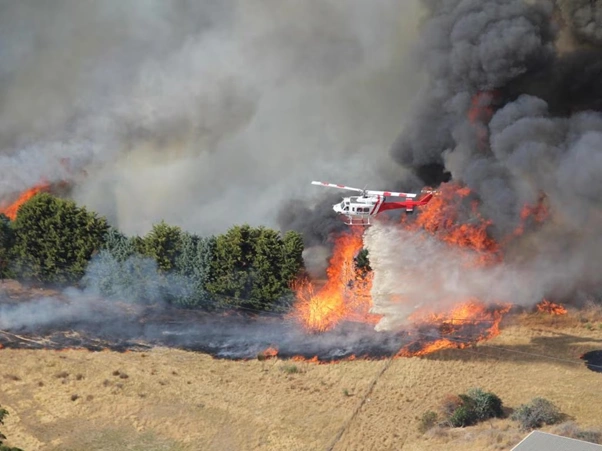
A firefighting helicopter dousing flames at a bushfire in Longwood
Strong winds threatened to ground the firefighting air fleet during critical periods. CFA chief Jason Heffernan stated aircraft might prove unable to fly during peak fire danger hours. Three hundred and five firefighters actively engaged in controlling the Mt Lawson fire, supported by around twelve aircraft from Victoria and New South Wales.
Also Read: Glencore and Rio Tinto Restart Merger Talks in $200B+ Mining Industry Shake-Up
Emergency Advice and Safety Warnings for Residents
Premier Jacinta Allan urged Victorians to follow emergency advice and evacuate properties where necessary. Acting Mayor of Strathbogie Shire Claire Ewart-Kennedy described conditions as worse than the devastating Black Saturday fires. She said the situation “devastated” her as acting mayor and scared her personally. State Agency Commander David Nugent stated the fire had advanced through the Ruffy community causing significant damage.
CFA Chief Officer Jason Heffernan advised residents to leave high-risk areas immediately. “The safest place to be is away from high-risk areas such as campsites, parks and forests,” he stated. Authorities warned against waiting for official evacuation notices before departing. Fires could threaten lives and homes within minutes of ignition under catastrophic conditions.
Thousands of Victoria residents lost power supply, including residents in fire-affected areas. Authorities urged Victorians to download the VicEmergency app and set up watch zones for their regions. Real-time fire updates and emergency warnings were available through the VicEmergency website and TasAlert for Tasmania residents.