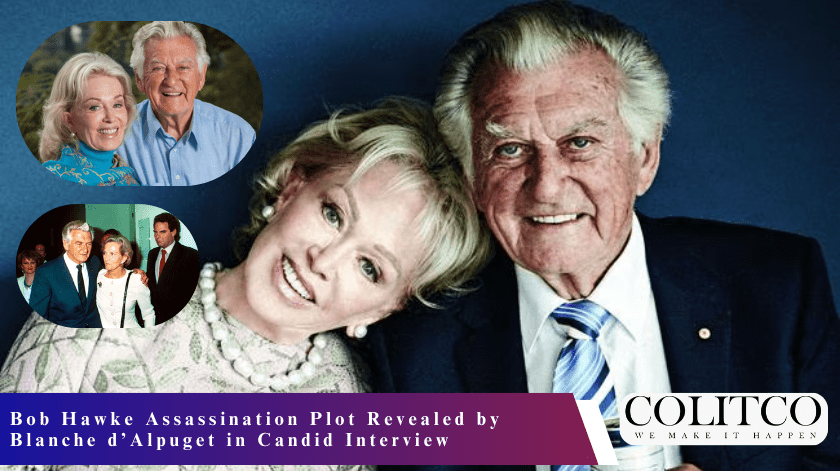
Blanche d’Alpuget murder admission has drawn national attention after she revealed she once planned to kill Bob Hawke during a turbulent period in their relationship in the late 1970s, years before he became Australia’s prime minister.
A Brief Plan That Lasted Only Hours
Blanche d’Alpuget crime story resurfaced after the author confirmed she briefly considered stabbing Hawke when he withdrew a marriage proposal. She said the moment came after Hawke, heavily intoxicated at the time, asked her to leave her husband, only to change his mind months later due to political concerns.
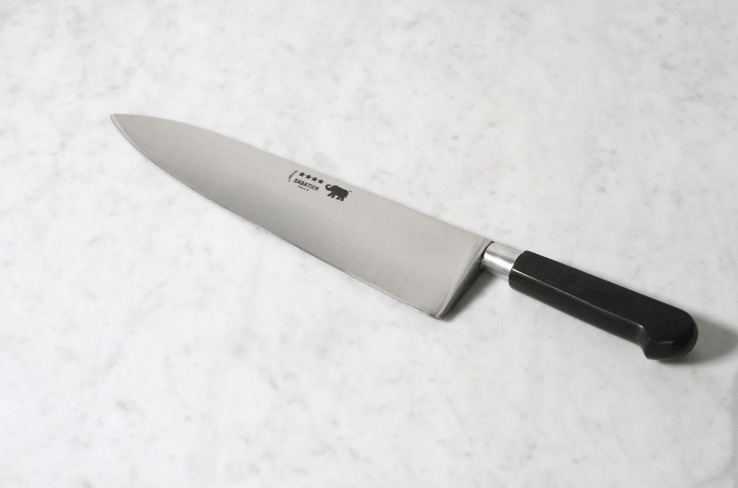
During a podcast interview, she explained she had placed a Sabatier knife in her bag and intended to meet him. She described thinking through the details, even considering how she would spend her time in custody. However, she said the idea faded within a day after she realised her son would face lifelong stigma.
Emotional Turmoil During a Difficult Period
The Bob Hawke assassination plot formed during a volatile period marked by emotional strain, as d’Alpuget said she felt betrayed and deeply hurt. She spoke openly about feeling overwhelmed and briefly thinking about suicide before deciding her son needed her present.
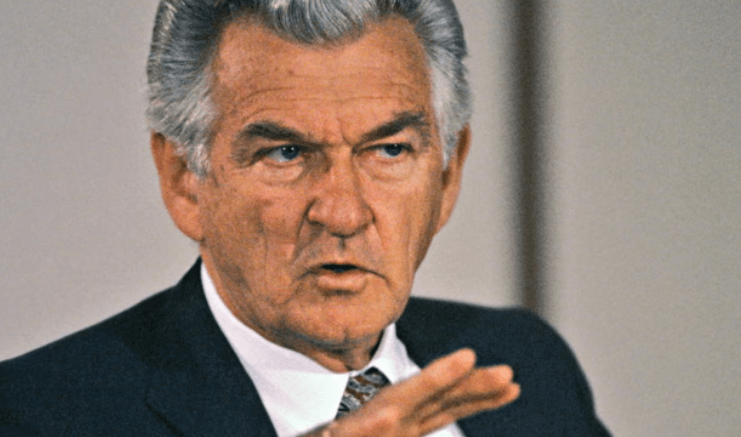
Her remarks described the intensity of their connection during an affair that began in 1976. She said she believed her emotional state at the time pushed her into irrational thoughts, though she never acted on them.
Relationship Changes and Long-Term Fallout
The pair’s relationship continued long after the abandoned idea. Hawke remained with Hazel Hawke to protect his political future, a decision d’Alpuget now views as necessary. She said his choice helped preserve his path toward national leadership, which began with his rise to the prime ministership in 1983.
Despite the personal pain at the time, she acknowledged Hawke’s commitment to public duty. The couple later resumed their relationship fully when Hawke left his marriage and wed d’Alpuget in 1995.
Public Scrutiny and Shifting Public Perceptions
Her admission comes alongside discussion about public reaction to their relationship during the 1980s and 1990s. Blanche d’Alpuget crime story became part of wider commentary around Hawke’s private life, which placed her under intense criticism. She said she became widely blamed for the end of his marriage, even though Hawke had engaged in multiple affairs.
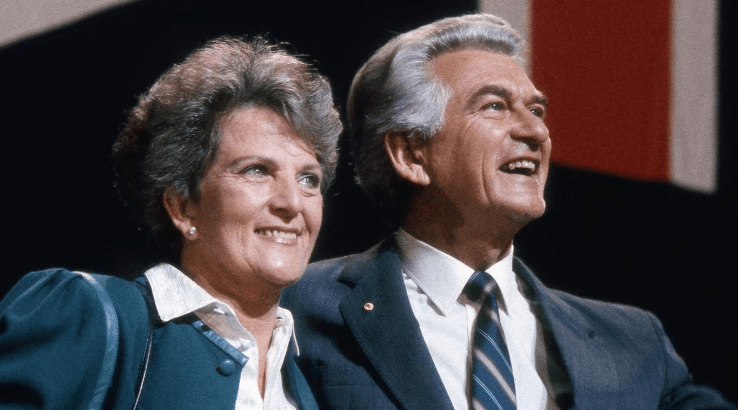
During the interview, she reflected on how she faced harsh judgment while Hawke remained one of the country’s most popular leaders. She described the difficulty of navigating public opinion while maintaining the relationship.
Hawke’s Career and Their Private Challenges
She also recounted aspects of Hawke’s struggles with alcohol, saying he often relied on her to monitor his drinking. She revealed moments where his behaviour placed strain on their relationship, leading her to temporarily leave.
Although she described Hawke as unable to stop drinking once he began, she also recalled how he sought support from her to manage the problem. She said their bond, despite the difficulties, endured for decades.
Personal Experiences Shared Beyond the Plot
The interview extended into experiences beyond the Bob Hawke assassination plot, with d’Alpuget discussing trauma from a past sexual assault, her belief in spiritual practices and episodes of financial difficulty late in Hawke’s life. She also recounted how Hawke and Paul Keating put an end to their long feud during a dinner event involving substantial drinking.
She said the couple’s final years together were marked by personal challenges, including financial pressure and Hawke’s declining health. She described a period in which she believed they were close to insolvency before support appeared from others around them.
Also Read: Graham Richardson State Funeral Brings Together Leaders From Across Political Divide
Final Thoughts
Blanche d’Alpuget murder admission has reopened discussion about a complex chapter in Australian political history. Her account outlines a moment of intense emotional distress and a relationship shaped by personal turmoil, public scrutiny and long-term loyalty. Her reflections also revisit a time when private decisions carried national consequences, especially as Hawke moved toward becoming one of Australia’s most notable leaders.