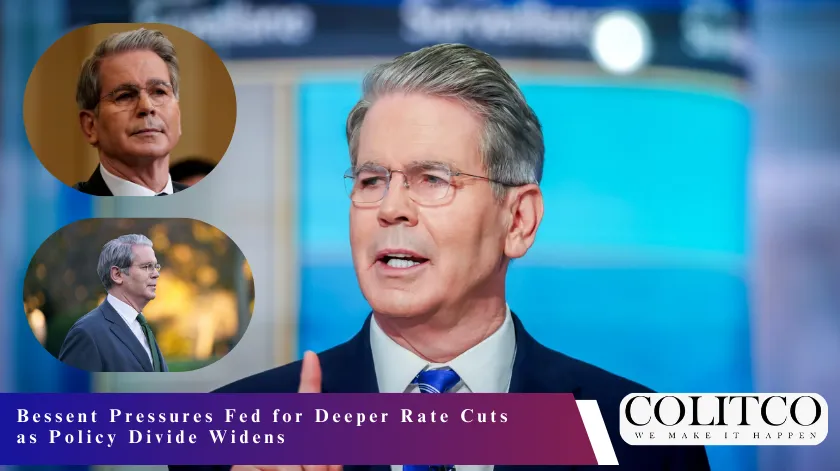
Treasury Secretary Scott Bessent has thrown down the gauntlet to the Federal Reserve. In a speech at the Economic Club of Minnesota, he urged the central bank to lower interest rates substantially.

Figure 1: US Treasury Secretary Scott Bessent speaking publicly as he calls on the Federal Reserve to lower interest rates. [source: Yahoo Finance]
His message was direct. The White House has done its part to spur investment; now, the Fed must follow through with rate cuts to support economic growth.
Bessent Market Analysis: The Case for Lower Rates
Bessent argued that interest rates remain well above neutral levels. Current rates sit between 3.5 per cent and 3.75 per cent, but he believes the economy needs substantially lower borrowing costs.
According to the Treasury Secretary, most economic models point to an ideal range between 2.50 per cent and 3.25 per cent. This suggests rates could fall by as much as 100 basis points from current levels.
The Fed implemented three consecutive rate cuts in late 2025, totalling 75 basis points. However, Bessent’s market analysis suggests monetary policy remains restrictive rather than supportive.
He invoked the legacy of former Fed Chair Alan Greenspan. During the technology boom of the 1990s, Greenspan resisted premature rate hikes, allowing innovation and investment to flourish.
Bessent wants the Fed to adopt a similar approach today. He believes restrictive monetary policy is holding back investment and economic potential.
Fed Rate Cut Implications for Investors: What’s at Stake
The Fed rate cut implications for investors extend across multiple asset classes. Lower rates typically boost equities by reducing borrowing costs and improving corporate profitability.
Bond markets would also respond to rate cuts. Existing bonds with higher coupons become more valuable as new issues carry lower yields.
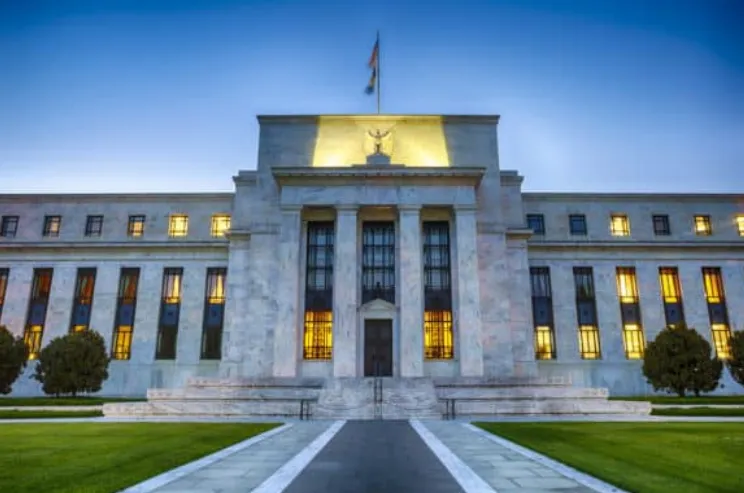
Figure 2: The Federal Reserve building in Washington, DC. [source: Global Custodian]
Property markets stand to benefit from cheaper mortgage costs. Lower rates make home ownership more accessible and can support property values.
However, savers face a trade-off. Lower interest rates mean reduced returns on cash deposits and fixed-income investments.
Bessent framed rate cuts as having a tangible impact on household finances. Cheaper borrowing costs help families manage mortgages, car loans and credit card debt.
The Treasury Secretary called lower rates the “only ingredient missing” for stronger economic growth. He urged the Fed not to delay further cuts.
Jobs Data Complicates the Picture
The push for rate cuts comes against a backdrop of resilient employment data. Initial jobless claims came in at 208,000 for the week ending 3 January 2025.
This figure slightly beat expectations of 210,000 claims. The four-week moving average hit 211,750, the lowest since April 2024.
Insured unemployment held steady at 1.2 per cent. Continued claims rose to 1,914,000 from 1,858,000 the previous week.
Strong jobs numbers typically argue against aggressive rate cuts. A healthy labour market suggests the economy doesn’t need additional monetary stimulus.
Fed Leadership in Transition
Jerome Powell’s term as Fed Chair expires in May 2026. This adds another layer of complexity to the rate debate.
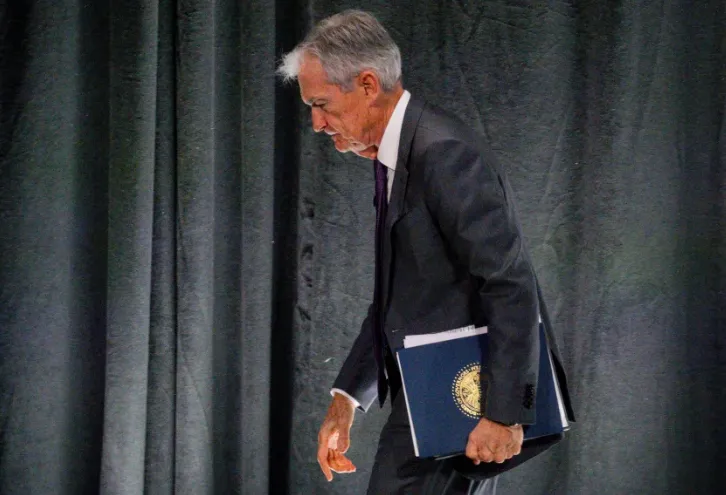
Figure 3: Federal Reserve Chair Jerome Powell. [source: NPR]
Bessent revealed that the selection process has narrowed to four candidates. Three have been interviewed, whilst BlackRock fixed income head Rick Rieder awaits his turn.
The other finalists include former Fed governor Kevin Warsh, National Economic Council director Kevin Hassett and Fed governor Chris Waller.
President Trump could announce his choice around the World Economic Forum in Davos on 21 January 2026. The new Chair’s views on monetary policy will significantly influence the Fed’s direction.
US Economy Interest Rate News: Divided Fed Voices
Minneapolis Fed President Neel Kashkari suggested monetary policy sits close to neutral. He questioned whether additional cuts are necessary.
Kashkari pointed to elevated inflation risks despite unemployment drifting to 4.6 per cent. He noted that tariff effects could persist for multiple years.
Fed Governor Stephen Miran offered a contrasting view. He called for aggressive rate cuts exceeding 100 basis points this year.

Figure 4: Federal Reserve Governor Stephen Miran. [source: NPR]
Miran argued that policy remains clearly restrictive and holds the economy back. He believes underlying inflation has reached the Fed’s 2 per cent target.
The US economy interest rate news reflects genuine disagreement within the Federal Reserve. This division makes the policy path harder to predict.
Fed officials’ most recent projections point to just one cut in 2026. This stands in stark contrast to Bessent’s call for substantial reductions.
Final Thoughts
The clash between Treasury urgings and Fed caution creates uncertainty for markets. Bessent market analysis points to substantial room for rate cuts, whilst central bank officials remain divided.
Strong employment data complicates the case for aggressive easing. The Fed rate cut implications for investors will depend on how policymakers balance growth concerns against inflation risks.
Leadership transition at the Fed adds another variable. The next Chair’s philosophy could reshape monetary policy direction for years.
Investors face a challenging environment for positioning portfolios. The gap between what the Treasury wants and what the Fed projects suggests continued volatility ahead. US economy interest rate news will remain a focal point as markets parse conflicting signals from policymakers.
Also Read: St George Mining Extends Araxá Footprint as High-Grade Niobium Discovery Opens Northwest Zone
FAQs
Q1. What interest rate range does Bessent believe is appropriate?
Ans. Bessent market analysis suggests rates should fall to between 2.50 per cent and 3.25 per cent, compared to the current range of 3.5 per cent to 3.75 per cent.
Q2. How many rate cuts has the Fed already implemented?
Ans. The Fed implemented three consecutive rate cuts in late 2025, totalling 75 basis points, bringing rates to the current 3.5 per cent to 3.75 per cent range.
Q3. What do recent job numbers show?
Ans. Initial jobless claims came in at 208,000 for the week ending 3 January 2025, with the four-week moving average at 211,750, the lowest since April 2024.
Q4. When does Jerome Powell’s term as Fed Chair expire?
Ans. Powell’s term expires in May 2026, with President Trump expected to announce his replacement around 21 January 2026.