
Federal ministers released 760 million litres of fuel from domestic reserves. This supply includes 213 million litres of petrol. It also contains 548 million litres of diesel.
Energy Minister Chris Bowen authorised the fuel companies to draw on the supply. These companies can access six days of stock. This move addresses regional supply shortages across the nation.
The government released 20 per cent of the total national reserve. This action follows price increases and distribution hurdles. Fuel companies must prioritise regional areas before the fuel flows.
Farmers warn of higher prices for food at the checkout. Rising costs for fuel and fertiliser pressure the agricultural sector. Production cuts remain a possibility if prices do not fall.
Interest rates may rise at the next central bank meeting. The Reserve Bank monitors inflation and rising transport costs. Petrol prices influence the decisions of the bank board members.
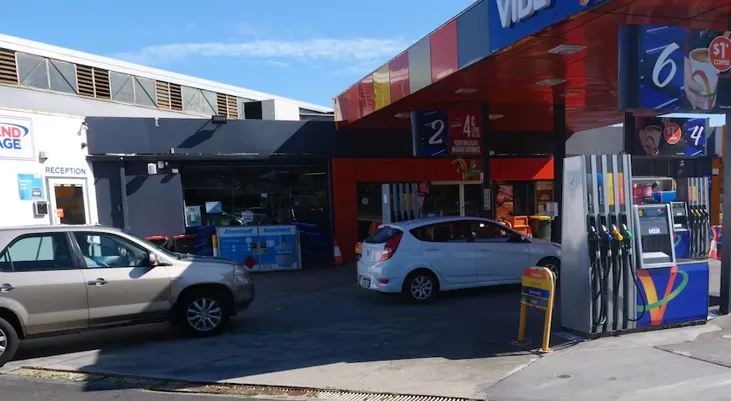
Figure 1: Australia needs to prepare, as the Middle East war is not going to be resolved quickly
Federal Action on Fuel Reserves
The Australian government released 760 million litres of petrol and diesel from reserves. This release followed reports of fuel stations running dry in regional towns. National reserves provided 213 million litres of unleaded petrol to the market.
The diesel portion of the release reached 548 million litres. Diesel powers the truck fleet and agricultural machinery across the country. Companies now have permission to draw six days of supply.
State governments held emergency meetings to address the logistics of distribution. New South Wales threatened to use emergency powers to direct fuel supply. This threat targets companies that do not prioritise areas with low stock.
Motorists engaged in panic buying at various service stations. This behaviour depleted tanks faster than distributors could restock them. Government officials urged citizens to purchase only the fuel they need.
Petrol stations must now declare their stock levels online in some states. The FuelCheck app in New South Wales tracks where fuel remains available. This tool helps motorists find active bowsers during the current shortage.
The federal government also relaxed fuel quality standards for 60 days. This change allows for petrol with higher sulphur content to enter the market. This measure adds 100 million litres of supply each month.
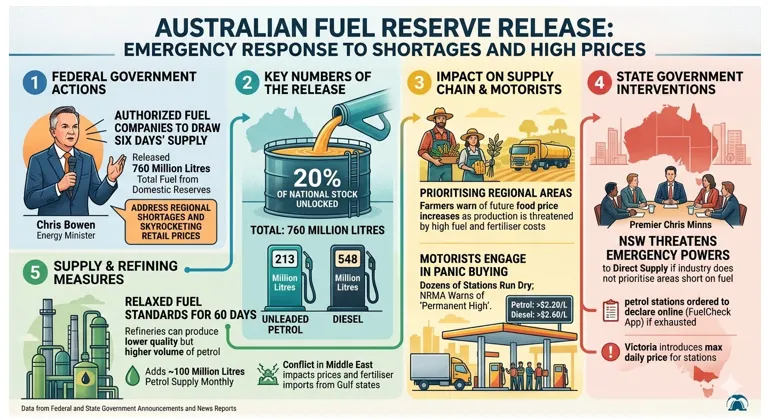
Figure 2: Australia’s emergency response to fuel shortages
Consequences for Food Prices and Inflation
Fuel prices hit $2.20 for petrol and $2.60 for diesel. These costs increase the price of transporting goods and food. Higher transport costs often lead to higher prices at the supermarket.
The Reserve Bank board meets on Tuesday to discuss interest rates. Inflation remains a concern for the bank and the general public. High fuel costs contribute to the inflation data that the bank uses.
Shortages prevent people from travelling to work and social events. Some residents in regional areas cannot visit family or play sports. This isolation affects the well-being of communities in the country.
Low-income households spend 10 per cent of their income on fuel. These families feel the impact of price hikes more than others. Price increases at the bowser reduce the money available for other essentials.
Farmers absorb rising costs until their profit margins disappear completely. They may choose to leave paddocks bare if fuel costs too much. Reduced plantings lead to smaller harvests and higher food prices later.
Supply chain disruptions threaten the delivery of fresh produce to cities. If trucks lack diesel, food stays on the farms or at the markets. This situation creates a risk for the national food security of Australia.
Profiles of Involved Parties
- Federal Government: Energy Minister Chris Bowen authorised the release of fuel reserves.
- State Governments: Premier Chris Minns and other state leaders held crisis roundtables.
- National Farmers Federation: President Hamish McIntyre warned about the impact on food prices.
- NSW Farmers Association: Economist Samuel Miller noted the pressure on planting decisions.
- Freshmark: Chief Executive Meegan George discussed the resilience of the food ecosystem.
- NRMA: Spokesperson Peter Khoury blamed retailers for jacking up prices early.
- Fuel Companies: Ampol, BP, Mobil, and Viva Energy manage the primary distribution.
- Independent Retailers: Owners like Alex Osipovich struggle with high wholesale prices.
- Victorian Farmers Federation: President Brett Hosking reported towns running out of fuel.
Mapping the Supply Shortage
Shortages hit towns in Victoria, including Wedderburn, Bonnie Doon, and Robinvale. Residents in these areas found service stations with no fuel in their tanks. Tankers often empty their loads in cities before reaching these regional outposts.
In New South Wales, 32 service stations ran out of fuel types. This occurred across a network of 3,000 stations in the state. Towns west of Canberra, like Batlow, saw their only stations close.
Western Australia reported shortages in the town of Manjimup on Friday. Industrial suppliers in the region limited sales to 10,000 litres per customer. This restriction aimed to preserve stock for the most essential tasks.
The capital cities of Sydney, Melbourne, and Brisbane saw record prices. Prices in Darwin surpassed 230 cents per litre for unleaded petrol. Service stations in Canberra also reported stock depletions over the weekend.
Conflict in the Middle East disrupted the global supply of crude oil. The closure of the Strait of Hormuz blocked fertiliser shipments to Australia. Most of the fertiliser for Australian farms comes from the Gulf states.
Australia previously stored some fuel reserves in the United States. Recent policy changes moved these reserves to domestic soil and ships. This shift aimed to improve the security of the local fuel supply.
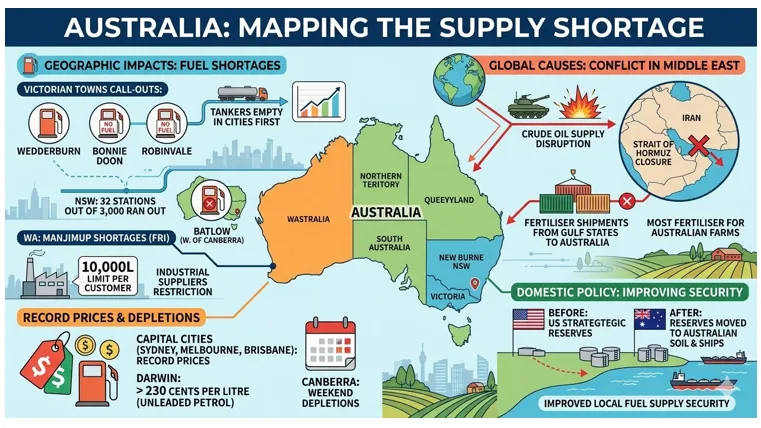
Figure 3: Australia’s supply shortage
Chronology of the Crisis
The government announced the release of reserves during the previous week. Supply began to flow to companies on Monday after an urgent roundtable. This followed three weeks of rising prices due to international conflict.
The New South Wales government met with fuel industry leaders on Monday. This meeting addressed the distribution failures that left regional towns short. The Reserve Bank meets on Tuesday to decide on interest rate changes.
The conflict in the Middle East started several weeks before the current crisis. Petrol prices rose steadily as the war impacted global shipping routes. Panic buying increased over the weekend as news of shortages spread.
The temporary change to fuel quality standards lasts for 60 days. This period allows refineries to produce more fuel for domestic use. The government expects these measures to ease pressure throughout the coming months.
Farmers prepare for the winter crop planting season right now. Decisions made this month determine the food supply for the rest of the year. High costs during this window have long-term effects on the economy.
Also Read: Top Reasons Investors Are Buying Nvidia Stock Despite Market Volatility
Market Evolution and Future Measures
The war in the Middle East drove the price of Brent Crude Oil. This benchmark hovered around $US100 a barrel on Monday afternoon. Local prices followed the international trend and reached record highs at bowsers.
The federal government lowered the minimum stockholding obligation by 20 per cent. This change gives fuel companies the flexibility to release their stored fuel. Companies must demonstrate a plan to supply regional areas first.
Distributors prioritised regular contract customers over the independent spot market. This decision left small service stations without any fuel to sell. Independent owners often pay higher wholesale prices than the major retail chains.
The ACCC and Fair Trading will monitor petrol stations for price discrepancies. This oversight targets retailers that advertise one price but charge another. Governments want to prevent profiteering during the supply chain crisis.
Some food prices might decrease temporarily if export markets remain blocked. Freshmark suggests that produce destined for overseas might stay in Australia. This increase in local supply could soften prices for a short period.
If fuel supply does not stabilise, the government may consider rationing. The Liquid Fuel Emergency Act 1984 provides powers to manage such situations. Officials currently rule out rationing while they monitor the reserve release.