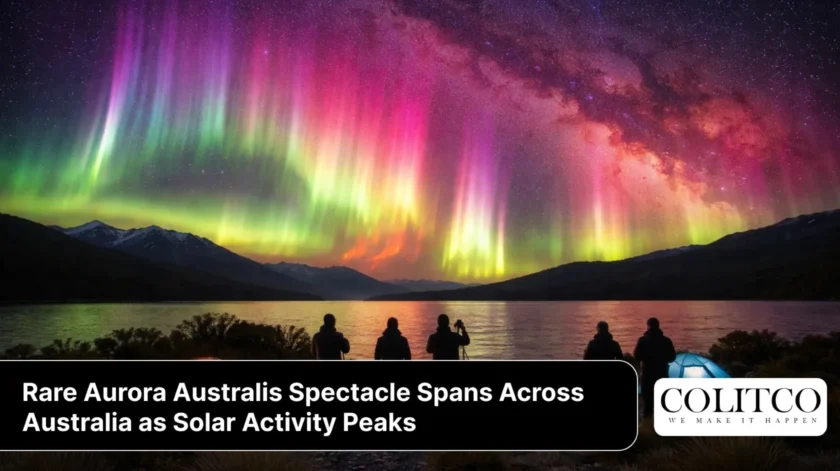
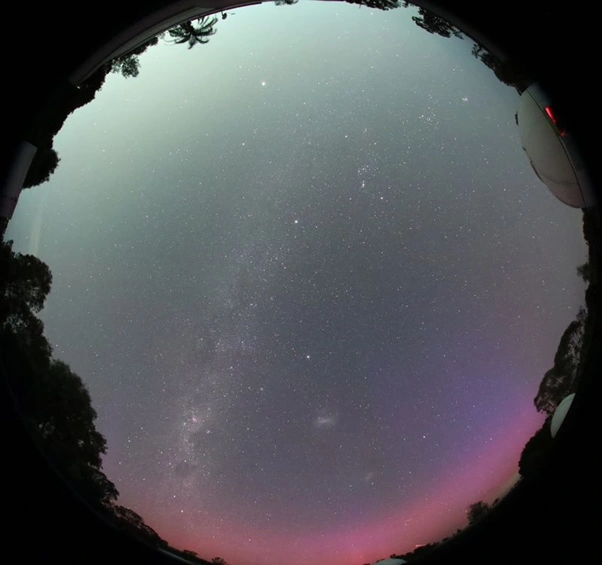
The night sky across Australia transformed during the early hours of Wednesday. This event followed a period of intense activity from the sun. Residents in multiple states witnessed the Aurora Australis. The light display reached regions far beyond the usual southern latitudes.
The Bureau of Meteorology confirmed the presence of a G4 geomagnetic storm. This storm resulted from an X-class flare on the sun. That flare occurred on 18 January. A cloud of plasma travelled toward Earth after the eruption. It hit the magnetic field of the planet on 20 January.
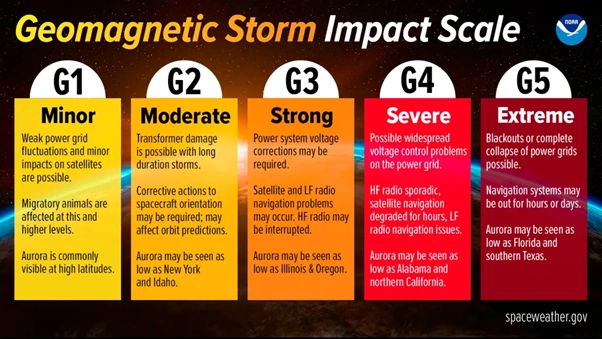 Impact scale of geomagnetic storms
Origin of the Lights
The sun follows an 11-year cycle of activity. Scientists identify this period as the solar maximum. Activity peaks during this phase. This cycle currently sits at its highest point since 2003. The sun releases particles into space during these peaks.
These particles collide with gases in the Earth’s atmosphere. Oxygen and nitrogen emit light during these collisions. Oxygen produces red and green light. Nitrogen creates shades of violet. These interactions happen near the poles. Strong storms push these displays toward the equator.
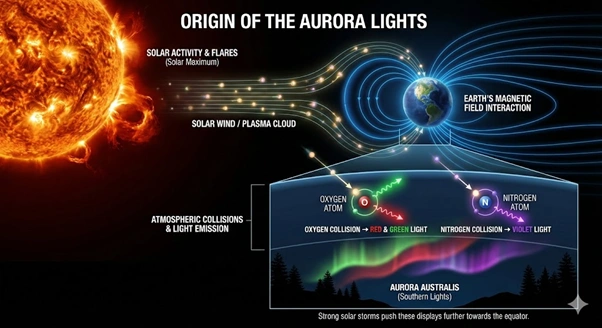
Origin of the Aurora
Sightings Across the States
People reported sightings from the south to the north. Citizens in Tasmania saw the most light. The display also reached the mainland. Residents in Victoria and South Australia documented the event. The light appeared in regions of New South Wales and Western Australia.
- Hobart
- Melbourne
- Adelaide
- Sydney
- Perth
- Port Macquarie
- Karratha
Observers in the suburbs of Perth captured images of the sky. The light reached as far north as Mackay in Queensland during similar events. This occurrence allowed millions of Australians to see the phenomenon. Many people used mobile phones to record the sky.
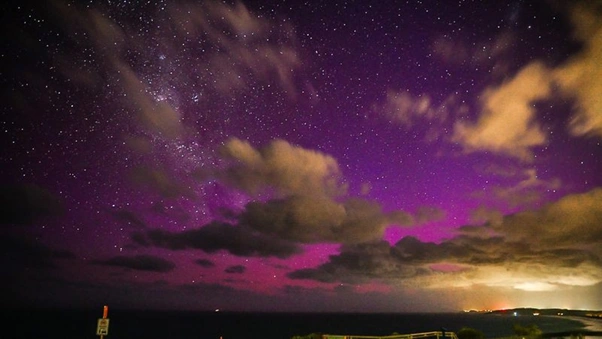
Aurora Australis at Byron Bay [Sarah Archibald]
Expert Observations
Astronomers monitored the event with interest. Michael Brown from Monash University shared his experience. He described the show as “bloody awesome”. He further stated, “It was absolutely spectacular last night,” and called it “An ‘oh, wow’ moment.”
Kate Brand manages the space weather forecasting centre at the Bureau. She noted the unusual nature of the reach. “There is a chance of seeing auras, perhaps not as far north as last night, but we are expecting that they may be visible in the southern parts of Australia,” she said. Dr Kirsten Banks noted that her space group chats were “exploding”.
Impact on Technology
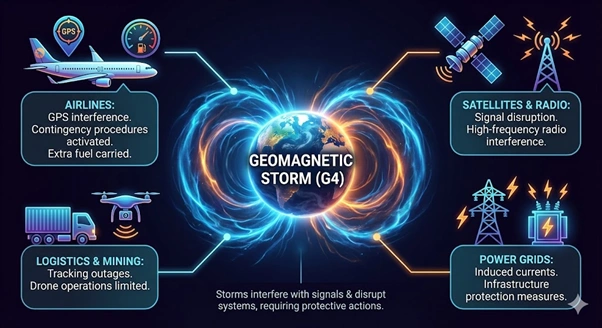
The geomagnetic storm affected more than just the sky. These storms interfere with high-frequency radio signals. They also disrupt satellite systems. The Bureau issued warnings for infrastructure operators. These entities took steps to protect power grids.
- Airlines monitored GPS systems
- Logistics firms reported outages in tracking networks
- Mining companies limited drone operations
- Power grid operators managed induced currents
Qantas and Virgin Australia activated contingency procedures. They ensured safety for flights on southern routes. Pilots carried extra fuel for potential deviations. These measures prevented cancellations during the peak of the storm.
Impact on Technology
Comparison to Previous Events
This storm mirrors the intensity of the May 2024 event. That event reached a G5 rating. It was the strongest storm in two decades. The current activity maintains this high level of frequency. Records show the last G5 storm occurred in 2003.
Dr Andrew Cole from the University of Tasmania commented on the timing. “The auroral displays in May 2024 were bigger than any since 2003, but we could potentially see equally good ones any time between now and the end of 2025,” he said. The sun remains active in early 2026.
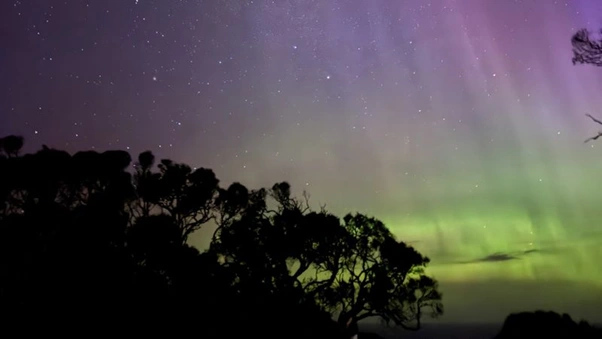
Aurora Australis from Cape Schanck
Viewing Conditions for Residents
Optimal viewing requires dark locations. Light pollution from cities hides the display. Observers should look toward the southern horizon. The best time for viewing occurs between 10 pm and 2 am. Clear skies assist in the visibility of the light.
- Find a spot away from street lights
- Look toward the south
- Use a tripod for cameras
- Wait for eyes to adjust to the darkness
Cloud cover impacted some regions on the coast. Internal parts of the country had better views. The Bureau suggests monitoring real-time updates. These updates provide information on the movement of the system.
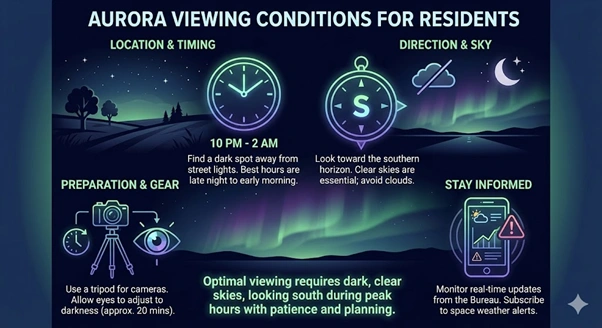
Aurora Viewing Conditions for Residents
Future Opportunities
The solar maximum will continue through 2026. This phase ensures more chances for sightings. The sun will eventually move into a quiet phase. This decline will happen after 2027. Activity will reach a minimum around 2030.
Researchers continue to study the data from these storms. They learn about the protection of spacecraft. New radiation belts appeared during recent events. These discoveries help in the design of satellites. Australia remains a prime location for this research.
Guidance for the Public
The Bureau of Meteorology provides alerts via its website. Citizens can subscribe to space weather services. These services offer notice of upcoming storms. Most alerts provide a lead time of one hour. This timeframe allows people to prepare for viewing.
The Aurora Australis provides a link between Earth and the sun. It reminds people of the environment of space. Australians now look to the south more often. They hope for another glimpse of the lights.