The AI revolution is entering a new phase. While processing chips grabbed headlines initially, memory semiconductors now command attention as the critical bottleneck. Analysts identify this shift as the beginning of a memory supercycle that could reshape investment opportunities in AI semiconductor stocks.

Figure 1: Conceptual illustration of an advanced semiconductor chip, representing the growing role of memory technologies in artificial intelligence workloads. [source: Freepik]
DA Davidson analyst Gil Luria describes the current moment as “very early in the memory cycle.” The progress in AI models has made memory the next frontier. Data centres, servers and AI installations require substantially more memory capacity than previously anticipated. This demand surge positions the best semiconductor stocks for AI in the memory sector for significant growth.
Micron Technology: The Domestic Memory Leader
Micron Technology (NASDAQ: MU) has transformed from a cyclical semiconductor manufacturer into a cornerstone of AI server infrastructure. The Idaho-based Company specialises in high-bandwidth memory, a specialised DRAM variant essential for AI training applications. Micron projects the total addressable market for HBM to reach US$100 billion by 2028, representing a 40 per cent compounded annual growth rate.
The stock has surged approximately 240 per cent over the past year. Despite this rally, Micron trades at just 9.9 times forward earnings, a steep discount compared to the S&P 500’s 22 times multiple. Wedbush analyst Dan Ives compared Micron’s current valuation to “getting a Mickey Mantle signed card at a garage sale.”
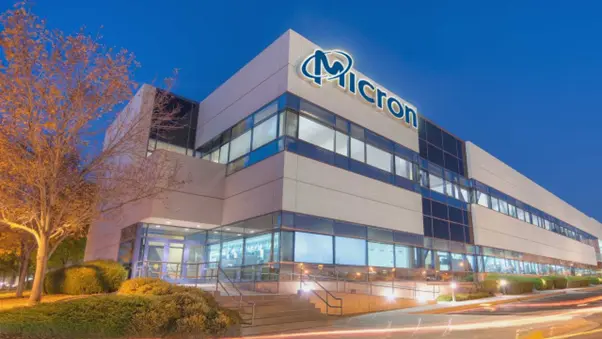
Figure 2: Micron Technology office and research facility, underscoring the Company’s role as a leading US-based supplier of memory semiconductors for AI infrastructure. [source: LinkedIn]
Micron reported quarterly results in December 2025 that significantly exceeded expectations. Multiple Wall Street firms subsequently declared the Company is experiencing a “supercycle” in memory demand. The surge that started in March 2025 became even more pronounced in the fourth quarter as cloud service providers unexpectedly increased their requirements.
High-bandwidth memory production complexity works in Micron’s favour. The specialised manufacturing process limits competition while allowing premium pricing. As one of the top AI-driven semiconductor companies, Micron benefits from direct procurement relationships with major AI chip manufacturers. This positioning provides advantages through scale that smaller competitors cannot match.
SK Hynix: The South Korean Powerhouse
SK Hynix (KRX: 000660) is widely viewed as the epicentre of the memory boom. The South Korean Company serves as the primary high-bandwidth memory supplier to Nvidia, maintaining approximately 60 per cent market share as of late 2025. This dominant position establishes SK Hynix among the best semiconductor stocks for AI in the memory sector.
UBS recently forecast SK Hynix’s HBM4 market share could reach 70 per cent in 2026. The Company plays a key role in Nvidia’s next-generation Rubin platform, cementing its position in AI infrastructure. HBM4 represents the next generation of AI memory technology with enhanced performance characteristics.
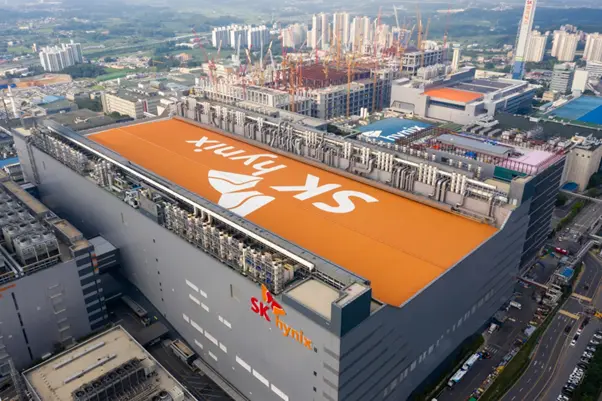
Figure 3: SK Hynix semiconductor fabrication facility in South Korea, highlighting large-scale production capacity for high-bandwidth memory used in AI servers. [source: Bloomberg]
However, SK Hynix faces a double-edged sword. Its market leadership is so pronounced that severe capacity constraints present risks. If the Company cannot meet surging HBM4 demand, it risks losing ground to rivals including Micron and Samsung’s memory division. Capacity expansion becomes critical to maintaining dominance.
Samsung Electronics and SK Hynix, the two largest memory makers, are reportedly discussing price increases for server memory by up to 70 per cent in the first quarter of 2026. This pricing power demonstrates the supply-demand imbalance favouring AI semiconductor stocks in the memory segment. The shortage creates windfall profits for producers who can deliver capacity.
SanDisk: The Surprise Storage Contender
SanDisk (NASDAQ: SNDK) emerges as an unexpected standout among top AI-driven semiconductor companies. Shares have catapulted over 800 per cent in the past year following the spin-off from Western Digital. While most AI discussions centre on DRAM short-term memory, SanDisk leads in NAND flash long-term storage.
NAND flash becomes increasingly critical for “AI at the edge.” Devices including robots and autonomous vehicles rely on the technology to process and store data locally. This distributed AI architecture requires substantial storage capacity at the endpoint rather than centralised data centres.

Figure 4: SanDisk signage at one of the Company’s office locations, reflecting its global presence in NAND flash memory and storage solutions. [source: SanDisk]
DA Davidson’s Gil Luria highlights SanDisk’s positioning in edge AI as a key differentiator. As AI applications move beyond centralised training to distributed inference, storage requirements multiply. SanDisk benefits from this architectural shift while maintaining lower competitive intensity than high-bandwidth memory markets.
The Company’s dramatic share price appreciation reflects investor recognition of NAND’s role in AI infrastructure. Storage requirements for AI workloads extend beyond training data to include model parameters, inference results and edge computing applications. SanDisk captures this broader storage demand.
Industry Outlook: Memory Supercycle Dynamics
The memory semiconductor sector is experiencing unprecedented demand from cloud service providers and AI infrastructure builders. Analysts describe current conditions as a bottleneck where supply cannot keep pace with requirements. This imbalance supports the bull case for AI semiconductor stocks focused on memory production.
Wedbush Securities analyst Matt Bryson noted that demand strength became “much broader based” in late 2025. Unexpected upticks in cloud service provider demand during August and September created shortages throughout DRAM and NAND markets. These trends are expected to continue through 2026 as cloud providers significantly increase their outlook.
However, analysts caution that memory remains a commodity product. Unlike Nvidia’s proprietary software ecosystem, memory chips are largely interchangeable between suppliers. This commoditisation could erode pricing power once current supply bottlenecks ease. Major customers like Nvidia can shift orders between Micron, SK Hynix and Samsung depending on availability and pricing.
DA Davidson’s Luria warned there is “less sustainability” in memory compared to differentiated semiconductor products. The current supply crunch provides excellent trading opportunities, but long-term investors should recognise the cyclical nature of memory markets. For now, investors are brushing off commodity risks in favour of short-term supply constraints.
Final Thoughts: Memory’s Moment in AI Infrastructure
The AI semiconductor stocks poised to benefit from the memory supercycle offer compelling near-term opportunities. Micron, SK Hynix and SanDisk represent different approaches to capturing memory demand. Micron provides domestic exposure with diversified memory products. SK Hynix offers dominant HBM market share with Nvidia integration. SanDisk captures edge AI storage requirements through NAND flash.
Analysts identify this phase as “very early in the memory cycle,” suggesting substantial runway ahead. Cloud service providers continue increasing requirements through 2026 and beyond. As AI models grow in complexity and deployment expands, memory demand should accelerate further.
Investors should monitor capacity announcements and pricing trends closely. The best semiconductor stocks for AI in memory will be those that balance capacity expansion with pricing discipline. While commodity risks exist long-term, current supply constraints support top AI-driven semiconductor companies through 2026. Mark these names for portfolio consideration as the memory supercycle unfolds.
ALSO READ: St George Mining Delivers Exceptional 128-Metre High-Grade Intercept at Araxá Rare Earths Project
FAQs
Q1. Which AI semiconductor stocks are analysts recommending for the memory supercycle?
Ans. Analysts recommend Micron Technology, SK Hynix and SanDisk as the best semiconductor stocks for AI focused on memory, each offering different exposure to the memory supercycle.
Q2. Why are memory chips important for AI infrastructure?
Ans. Memory chips provide essential storage capacity for AI training and inference. High-bandwidth memory enables rapid data processing while NAND flash supports edge AI applications in robots and autonomous vehicles.
Q3. What is Micron’s valuation compared to the broader market?
Ans. Micron trades at 9.9 times forward earnings despite surging 240 per cent over the past year, a steep discount to the S&P 500’s 22 times multiple.
Q4. Which company dominates the high-bandwidth memory market?
Ans. SK Hynix maintains approximately 60 per cent market share in high-bandwidth memory as Nvidia’s primary supplier, with analysts forecasting this could reach 70 per cent in 2026.