
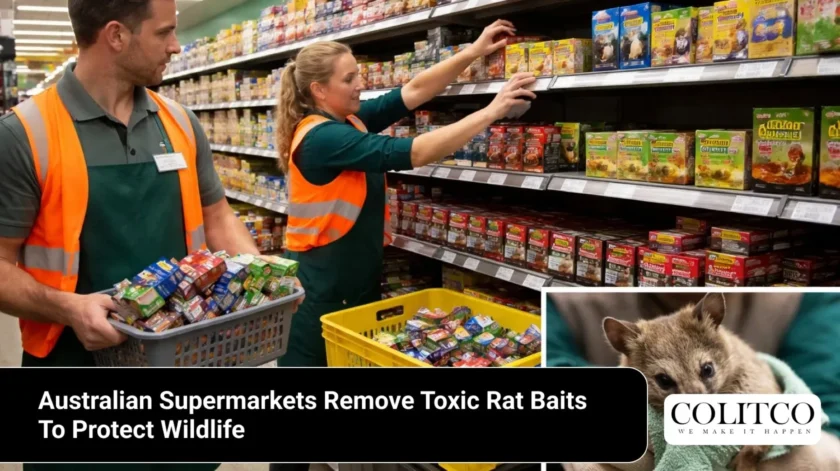
The Australian Pesticides and Veterinary Medicines Authority (APVMA) has enacted a mandatory restriction on the retail sale of second-generation anticoagulant rodenticides (SGARs). Major retailers, including Bunnings, Coles, Woolworths, Mitre 10, and IGA, must remove these products from general consumer shelves within the next 12 months. This ruling transitionally classifies these chemicals as restricted chemical products (RCPs) to prevent further environmental contamination.
Overview of the Regulatory Shift
The APVMA found that five specific chemicals in common rat baits pose unacceptable risks to non-target animals. These active ingredients include brodifacoum, bromadiolone, difenacoum, difethialone, and floucoumafen. The regulator determined that restricting these substances serves the public interest by protecting local biodiversity.
Retailers currently stock these highly potent baits alongside less harmful alternatives despite their restricted status in international markets. The new ruling mandates that only authorised or trained pest controllers may purchase and use these products. This decision ends years of lobbying by scientists and environmental advocates regarding the toxicity of household pest control.
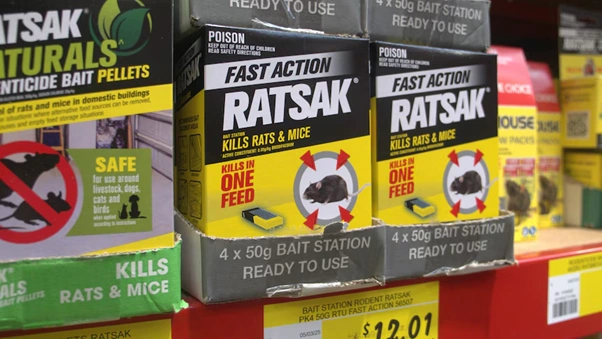
Retailers must remove rat baits from their shelves within 12 months [ABC South West]
Significance for Local Biodiversity
Consumers unknowingly purchase “fast-action” baits that remain in the environment for months after ingestion by rodents. These poisons accumulate in the tissue and organs of native predators that consume contaminated pests. The toxins cause secondary poisoning in owls, magpies, and tawny frogmouths throughout Australian suburbs.
Research confirms that these chemicals also threaten endangered species like the Tasmanian devil and the quoll. Scientists have detected these substances within the bodies of various reptiles across different states. The restrictions aim to ensure that shoppers do not accidentally introduce dangerous toxins into their local ecosystems.
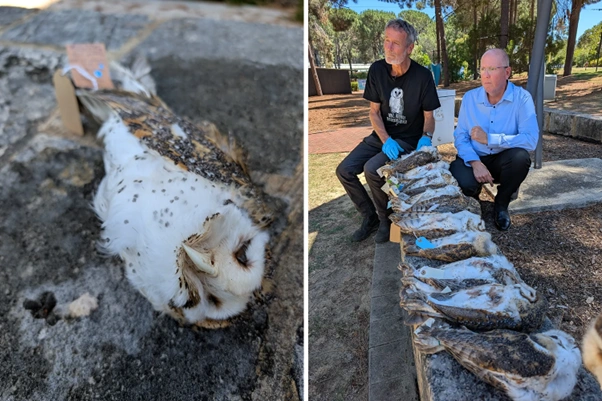
Dangerous levels of SGARs are found in the bodies of owls in Western Australia’s Margaret River region [Karen Majer]
Key Organisations and Scientific Advocates
The APVMA issued the ruling following advice from state and territory governments regarding environmental safety. Dr Rob Davis from Edith Cowan University led a decade of research into the impact of these poisons on bird populations. Retired Supreme Court Judge Christopher Pullin and ecologist Dr Michael Lohr also campaigned for these restrictions.
Bunnings, Coles, Woolworths, and Metcash must now overhaul their pest control aisles to comply with federal law. Birdlife Australia CEO Kate Millar advocated for the restriction to protect vulnerable avian species from extinction. Amazon Australia previously implemented a voluntary ban on these specific products across its website in 2025.
Geographic and Retail Reach
The regulatory change applies to all retail outlets across the Australian continent and its territories. Affected stores include national hardware chains, major supermarket conglomerates, and independent grocers. Environmental impact studies centred on diverse habitats ranging from suburban gardens to wilderness areas in Western Australia and Tasmania.
International jurisdictions, including the United States and the European Union, already enforce similar bans on these chemicals. Australia now aligns its chemical safety standards with these global benchmarks to mitigate local wildlife losses. The impact of the poisons extends from urban centres to remote regions where native predators hunt.
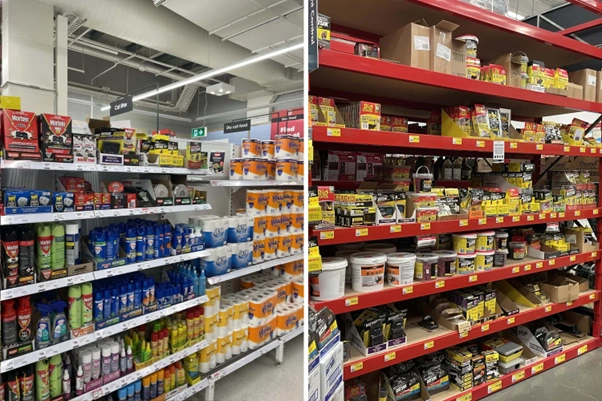
Retailers can still stock SGARs until new rules are passed by the government [Yahoo News Australia]
Official Timeline for Implementation
The APVMA announced the final decision on Tuesday night following a lengthy review process. A one-year suspension of all SGAR registrations will commence on March 26, 2026. Retailers have a 12-month window to implement the full transition to professional-only sales.
Advocacy groups and scientists have pressured retailers and regulators for over a decade to reach this outcome. More than 280 experts signed an open letter in 2025 demanding immediate action on chemical restrictions. The federal government expects the necessary legislation to be finalised within the coming year.
Also Read: How to Invest in SPY and QQQ During Inflation in 2026
Operational Changes and Future Oversight
Retailers may continue to sell existing stock until March 26 under strict new labelling and handling requirements. Stores must provide every customer with literature detailing the extensive risks and mandatory safety protocols. Users must secure all baits inside tamper-resistant stations and avoid any outdoor placement.
State and federal authorities will draft legislation to define the specific qualifications for authorised users. Pest control professionals will manage the application of these chemicals under strictly controlled conditions. Dr Michael Lohr continues to monitor new generations of baits to ensure they do not replicate these environmental hazards.
Restricted Chemicals:
- Brodifacoum
- Bromadiolone
- Difenacoum
- Difethialone
- Floucoumafen
Mandatory Safety Steps for Consumers:
- Use only inside tamper-resistant bait stations
- Prohibit all outdoor placement of baits
- Wear disposable gloves during every handling instance
- Wash all clothing immediately after contact with products
Bunnings confirmed it will follow the APVMA guidance while assessing the impact on its current product range. Woolworths stated it intends to comply with all applicable regulations regarding chemical sales. Metcash and Coles have yet to provide detailed responses regarding their timeline for product removal.
The APVMA continues to review chemical safety data to refine the list of permitted substances for residential use. This decision represents a shift toward professional oversight for high-potency toxic substances. Wildlife advocates expect a measurable decrease in secondary poisoning cases following the full implementation of the ban.


