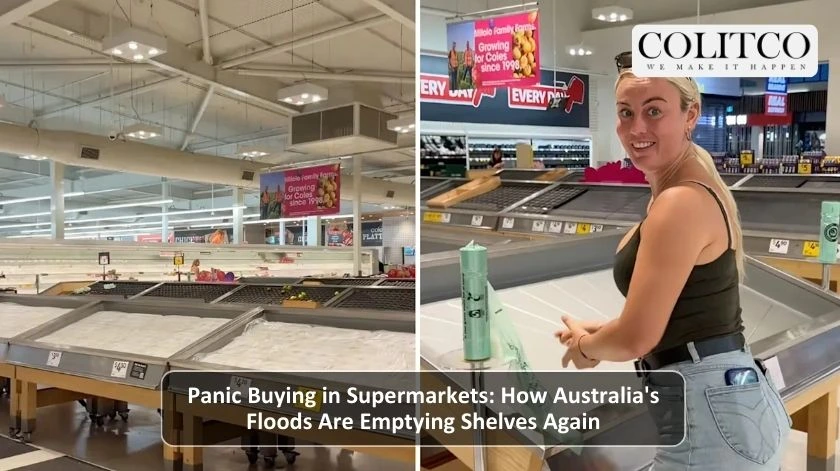
Scenes that many Australians feared they might see since the floods began have now become a reality. Bare shelves, frantic shoppers, and trolleys piled high with long-life goods — panic buying supermarkets across the Northern Territory and North Queensland has surged after a devastating combination of monsoon flooding and fractured supply chains brought the Top End’s food network to its knees.
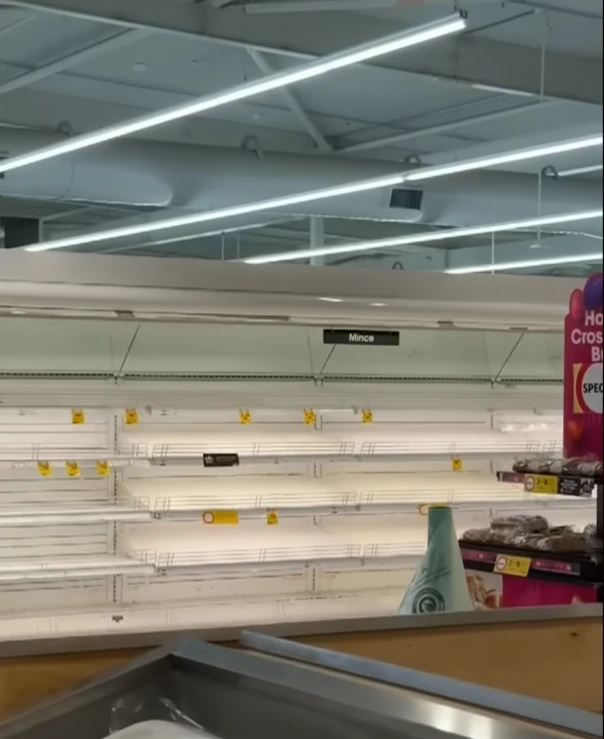
Figure 1: Civilians said “It’s worse than COVID.” [9 News]
Empty Aisles and Stripped Shelves
Darwin Supermarkets Face Severe Shortages
Shoppers walking into Coles and Woolworths stores across Darwin over the weekend encountered something alarming: shelves stripped almost completely bare. Photos shared widely on social media showed row after row of empty racks, with bananas among the few remaining items in some Darwin stores.
Katherine Town Cut Off by Floodwaters
Parts of Katherine — roughly 300 kilometres southeast of Darwin — sat underwater for days. Woolworths, the only supermarket serving the town, shut its doors over the weekend. Locals reported running out of food before the store managed to reopen on Monday afternoon, after three of five containers of stock finally arrived by train, carrying fresh produce, dairy goods, and frozen items.
Comparisons to Pandemic Panic Buying
The situation drew immediate comparisons to the COVID-19 pandemic, when panic buying supermarkets across the country left shelves bare of toilet paper, pasta, and hand sanitiser. But supply chain expert David Leaney, a lecturer at the Australian National University’s College of Business and Economics, says the current crisis carries its own distinct character.
“It’s not just the NT — it’s right along the top half of Australia. Queensland has copped an absolute hammering,” Leaney told Yahoo News Australia.
A Perfect Storm of Crises
Leaney calls what is unfolding a “perfect storm” — and the description fits. The Northern Territory is battling one of the worst wet seasons in years, but the crisis extends well beyond weather alone.
Fuel Prices Add Pressure to Supply Chains
International pressures are compounding the local damage. Fuel costs have soared following escalating conflict in the Middle East, pushing diesel prices sharply higher. Since diesel powers the road freight network that carries groceries from warehouse to shelf, every price spike flows directly into the cost of restocking those empty aisles.
“Diesel is the big issue, because that’s what the semi-trailer drivers use,” Leaney explained. “That’s already gone up significantly. I was in Canberra, and diesel prices went up from $1.89 to $2.29 in two days.”
Broader Australian fuel shortages are making regional communities even more vulnerable, particularly those already cut off by floodwater, where restocking logistics depend entirely on road access.
Who Bears the Brunt
Vulnerable Communities Hit the Hardest
The people most affected by panic buying at supermarkets are not the ones filling extra trolleys. They are the elderly, families with young children, people with disability, and those living in remote communities who depend on the next delivery to survive.
In Mount Isa, civic leaders publicly called on residents to stop hoarding. Mount Isa Deputy Mayor Kim Coghlan said the community “made the situation worse by going in and panic buying when they did not need to,” according to the North West Star. Deliveries had reached the city after some routes briefly reopened, yet shelves remained bare.
Food Insecurity Risks Rise During Disasters and It’s Not New
University of Melbourne research into Australia’s food systems has long flagged this risk. The research found that shocks like floods have the greatest impact on people already facing food insecurity — including Aboriginal and Torres Strait Islander peoples, asylum seekers, the unemployed, and low-income households. During the first year of the COVID-19 pandemic, demand for food relief in Australia doubled.
Centralised, just-in-time supply chains, which keep minimal stock on hand to maximise profit, buckle under precisely the conditions Australia repeatedly faces: floods, cyclones, and fires hitting multiple regions at once.
What Shoppers Are Hoarding and What to Expect First
Not all products disappear at the same rate. Leaney outlines a clear pattern in what drives panic buying at supermarkets: people gravitate toward essential goods with a long shelf life.
Retailers Introduce Purchase Limits
Infant formula and UHT milk top the list of items most likely to be hoarded. Bottled water follows closely. Both Coles and Woolworths placed purchase limits on bottled water in Darwin stores — restricting customers to two bottles per transaction — as supplies dwindled.
On the restocking side, Leaney expects frozen foods such as vegetables and ready meals, canned goods including pasta and beans, flour, sugar, and locally grown tropical produce to return to shelves first. These goods are more resilient to transport delays and sourced closer to Darwin.
“Produce from colder climates — apples, pears, potatoes — are coming from a long way away, and they’re more likely to be interrupted by transport,” he said. Packaged bread and processed meats such as salami may take longer to reappear.
Which Products Will Return to Shelves First
Coles confirmed on Monday night that all seven of its Darwin stores had received fresh produce, meat, dairy, grocery, and bread. Woolworths confirmed similar deliveries on Tuesday, saying: ‘Supply of dairy and packaged essentials arrived in Darwin stores yesterday, and meat and fresh fruit and vegetables have already started to arrive today.’
Water Woes on Top of Food Fears
Darwin River Dam Pump Station Flooded
Food is not the only essential in short supply. The Darwin River Dam pump station flooded and stopped operating on Monday night, prompting authorities to urge residents to immediately cut back on water usage. The prospect of a water shortage layered on top of empty supermarket shelves left many Darwin residents shaken.
Fuel Shortages Add Another Layer of Crisis
Some regional communities are struggling to access fuel at all, with prices in isolated areas doubling in a matter of days due to supply disruptions and the ripple effects of Middle East conflict on global oil markets.
These compounding pressures echo broader concerns about Australia travel restrictions and work-from-home impacts which have repeatedly tested how communities manage logistics during crisis events.
How Retailers and Communities Are Responding
Supermarkets Urge Calm Buying
Both Coles and Woolworths have publicly urged shoppers to buy only what they need. Woolworths activated its supply chain contingency protocols ahead of the weather event, working with state and local governments to keep deliveries moving.
Retailers Work With Transport Partners
Coles Regional Manager Brad Stewart said the company worked closely with transport partners and local authorities. ‘Our team worked hard to prepare our Mount Isa store with essential supplies ahead of this weather event, and we have been working closely with transport partners and local authorities to get deliveries into the area as soon as roads reopen,’ he said.
Experts Call for Stronger Local Supply Networks
But experts say supermarkets and governments need to go further. The Conversation has argued that Australia needs to move away from purely centralised distribution systems and toward more decentralised models — multiple hubs, better regional warehousing, and smarter safety stock calculations that account for the growing frequency of extreme weather events.
University of Melbourne researchers agree, calling for stronger local and regional supply chains that connect communities directly to nearby food sources — systems that hold up when the long-haul freight network fails.
The risks tied to rising war risks and travel disruptions affecting Australia make that case even more urgent, as global supply shocks increasingly intersect with domestic ones.
The Bigger Warning Australia Keeps Ignoring
Every time panic buying empties supermarket shelves across Australia, whether during a pandemic, a cyclone, or a flood, the same conversation happens. Experts call for change. Retailers urge calm. Politicians talk about resilience.
Then the shelves fill up again, and the conversation stops.
The IPCC has warned that extreme weather events will grow more frequent and more severe in Australia as the climate shifts. If the country does not build more resilient food and fuel supply networks now, the scenes playing out in Darwin and Mount Isa will become routine — not exceptional.
For now, both Coles and Woolworths say supplies are gradually improving across the Top End. Leaney estimates the situation should stabilise within seven to ten days — provided no new extreme weather event arrives to reset the clock.
That, in 2026 Australia, is a big if.
Frequently Asked Questions (FAQs)
1. Why is panic buying happening in Australian supermarkets?
Ans: Panic buying supermarkets across northern Australia is being driven by severe monsoon flooding, disrupted transport routes, and supply chain delays. Floodwaters have cut off major roads and rail lines, making it difficult for grocery deliveries to reach stores in places like Darwin, Katherine, and Mount Isa. As shoppers fear shortages, many are buying more than usual, which quickly empties shelves.
2. Which areas in Australia are most affected by panic buying?
Ans: The worst panic buying supermarkets situations have been reported in the Northern Territory and North Queensland, particularly in Darwin, Katherine, and Mount Isa. Flooding across these regions has interrupted supply routes, leading to temporary shortages of groceries and bottled water.
3. What items are disappearing first during panic buying?
Ans: During panic buying supermarkets events, shoppers usually target long-life essentials first. Items most commonly hoarded include:
- Bottled water
- UHT milk
- Infant formula
- Canned food (beans, pasta, soup)
- Frozen meals and vegetables
- Flour and sugar
These products last longer and are seen as emergency supplies.
4. How long will supermarket shortages last in Australia?
Ans: Supply chain experts estimate that panic buying supermarkets shortages could stabilise within seven to ten days, depending on weather conditions and road access. As floodwaters recede and deliveries resume, supermarkets like Coles and Woolworths are gradually restocking essential items.
5. Are supermarkets limiting purchases during the panic buying?
Ans: Yes. Some supermarkets in northern Australia have introduced purchase limits on key items, especially bottled water, to prevent hoarding and ensure more customers can access essential supplies.
Sources
University of Melbourne Pursuit
Macquarie University Lighthouse