
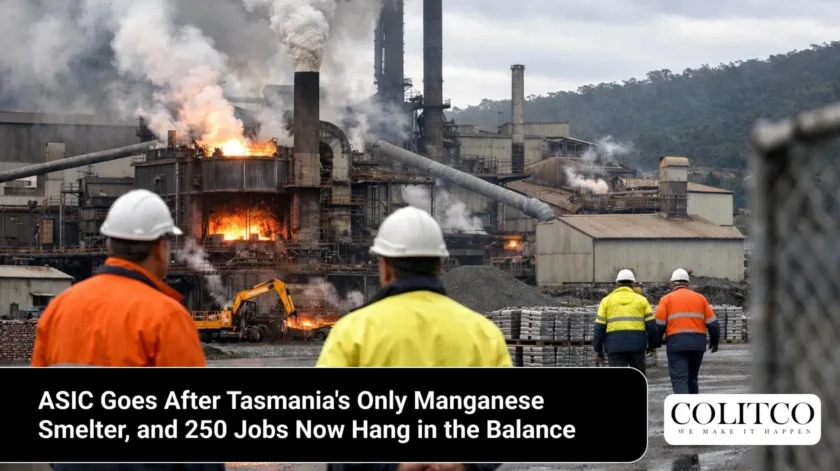
Australia’s corporate watchdog has had enough. After years of waiting for Liberty Bell Bay to lodge its financial reports, the Australian Securities and Investments Commission (ASIC) filed court action on Friday to forcibly wind up the Tasmanian smelter company. The regulator says Liberty Bell Bay has not lodged annual financial reports since 2021. That’s five straight years of silence.
The company operates Australia’s only manganese alloy smelter at Bell Bay in northern Tasmania. It is part of British industrialist Sanjeev Gupta’s GFG Alliance group.
ASIC filed its application in the NSW Supreme Court, seeking to close the company down on “just and equitable” grounds.
ASIC Already Gave the Company a Chance
This did not come out of nowhere. ASIC first went to court over Liberty Bell Bay’s missing reports back in June 2025.
The regulator won orders requiring the company to file the overdue reports by set deadlines. Liberty Bell Bay was handed a clear pathway to fix the problem. It did not take it. The company missed every deadline.
ASIC says the company “subsequently failed to comply” with those court orders. That is what triggered Friday’s wind-up filing.
“It is important that annual reports are lodged in a timely manner to assist creditors and other users of the annual reports in making informed decisions when dealing with large companies,” ASIC stated.
ASIC Deputy Chair Sarah Court has been direct about where this sits on the regulator’s priorities. Financial reporting failures are a key focus for ASIC in 2026. The Liberty Bell Bay case shows the watchdog is prepared to go all the way when companies brush off their legal obligations.
This comes after ASIC recently launched proceedings against Budget Direct over misleading discount claims, another sign that the regulator is not backing down this year.
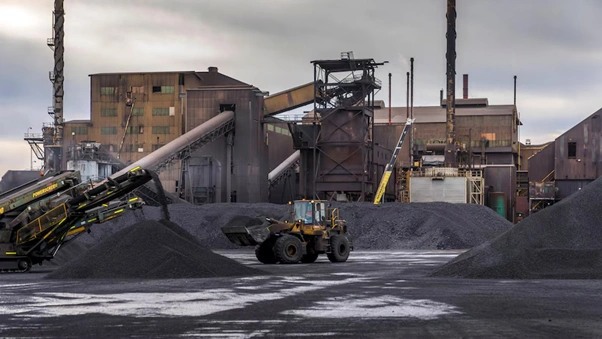
The Bell Bay smelter has been idle since May 2025. ASIC is now seeking a court order to wind up the company that operates it. [Liberty Steel Australia]
Around 250 Workers Are Caught in the Middle
The Bell Bay smelter has been shut since May 2025. Operations stopped due to ore supply problems and falling global prices for manganese alloy.
Since then, the situation at the site has only deteriorated:
- Some workers were stood down without pay, while others lost their jobs
- The Tasmanian Government lent Liberty Bell Bay AUD 20 million in August 2025 to buy ore and restart the smelter
- The restart never happened
- The government appointed receivers and managers in January 2026 after the company breached its loan conditions
- The receivers moved in to secure the ore stockpile on behalf of the state
Tasmania’s Business, Industry and Resources Minister Felix Ellis acknowledged workers and their families would find the news hard to hear.
“This will be challenging for workers, their families and the wider community,” Ellis said.
Liberty Bell Bay says it intends to fight the wind-up application in court. That is now its only remaining option after defying the earlier order to simply file its accounts.
This Is Not GFG’s First Run-In With Australian Regulators
GFG Alliance has been through this before in Australia.
The Whyalla Steelworks in South Australia went into external administration in February 2025. The South Australian Government had watched the financial position there worsen for months before finally stepping in. The SA Government seized control of the Whyalla steelworks and brought in KordaMentha to run the administration.
GFG’s troubles with ASIC are not limited to Bell Bay. In June 2025, the watchdog took separate court action against Liberty Primary Metals Australia and Tahmoor Coal for the same reason. Both companies had failed to file their annual financial reports.
Corporate law experts note that companies rarely miss their reporting obligations unless they are concealing serious problems or simply cannot produce the accounts. Either way, it signals trouble.
Where Things Go From Here
The NSW Supreme Court will decide whether to grant ASIC’s wind-up application.
If the application succeeds, a liquidator will be brought in to work through the company’s finances, deal with creditors, and determine what happens to the assets. That process could lead to a sale of the smelter or a full shutdown.
Liberty Bell Bay says it plans to contest the action. But it walks into court having already defied one order from that same court. It has not filed a single financial report in five years. It still owes a AUD 20 million government loan it allegedly breached.
For the workers at Bell Bay, there are no easy answers. The smelter has been idle for nearly a year. A court contest will only drag out the uncertainty.
Also Read: China’s State Iron Ore Buyer Turns the Screws on BHP And This Time, It’s the Big Products
FAQs
Q: What is Liberty Bell Bay?
A: Liberty Bell Bay is a private company that runs Australia’s only manganese alloy smelter at Bell Bay in northern Tasmania. It is part of GFG Alliance, the global industrial group controlled by British businessman Sanjeev Gupta.
Q: Why is ASIC trying to wind up Liberty Bell Bay?
A: ASIC applied to the NSW Supreme Court to close the company down after it failed to lodge annual financial reports for five straight years: 2021, 2022, 2023, 2024, and 2025. The company also ignored a court order from June 2025 that required it to file those overdue reports.
Q: What does winding up a company mean?
A: A court orders the company to be dissolved. A liquidator is appointed to manage its debts, sell assets where possible, and oversee the formal closure of the business.
Q: How many workers are affected?
A: Around 250 workers are tied to Liberty Bell Bay. The smelter has been idle since May 2025 and some workers have already been stood down or made redundant.
Q: What did the Tasmanian Government do?
A: The state government lent Liberty Bell Bay AUD 20 million in August 2025 to buy ore and restart operations. When the restart did not eventuate and the company breached its loan terms, the government appointed receivers in January 2026 to recover its money and secure the ore stockpile.