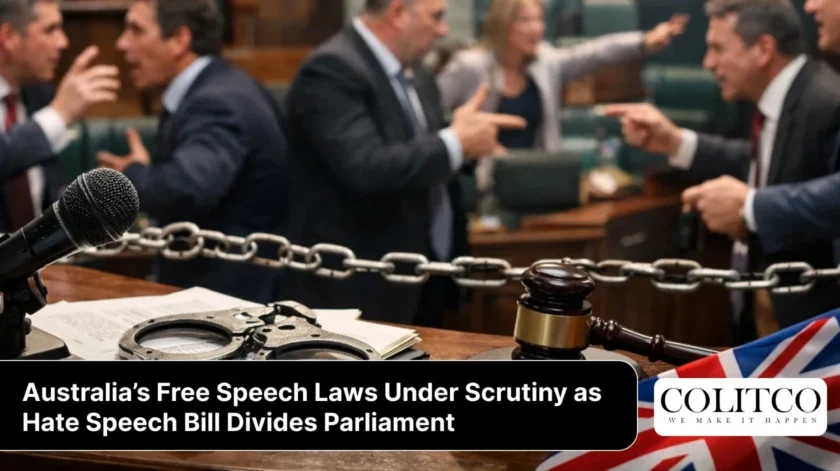
Australia stands at a crossroads over how far the government should go to protect citizens from hate speech. Labour’s controversial bill promises stronger national security but has triggered alarm bells across the political spectrum.
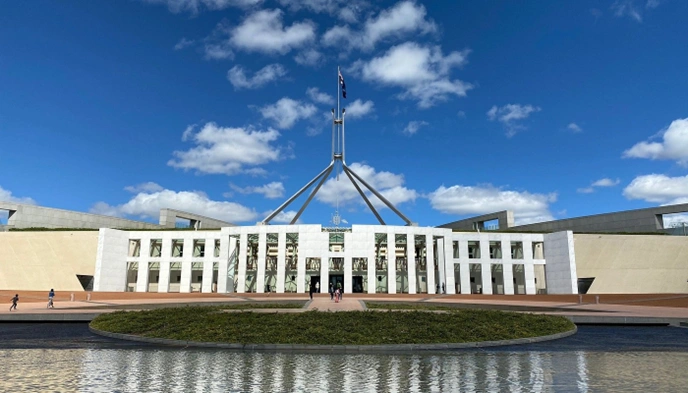
Figure 1: Australia’s Parliament House in Canberra, where Labour’s proposed hate speech laws are being debated amid free speech concerns. [Tripadvisor]
The proposed legislation would criminalise hate speech, create new hate group listings, and expand visa rejection powers. But critics warn the rushed approach could damage fundamental freedoms Australians have long taken for granted.
Labour’s Hate Speech Bill Faces Mounting Opposition
Labour’s hate speech bill has sparked fierce debate about Australia free speech protections. The legislation aims to strengthen national security and national unity through tougher criminal penalties.
The bill would require courts to prove an individual had “intent” to cause hatred. It would also need to show that the conduct would make a reasonable person from the targeted group fear harassment or violence.
The pathway through parliament looks increasingly difficult for the government. The Liberals have called the bill “pretty unsalvageable” whilst the Greens warn they would not pass it “in its current form”.
Labour needs support from either party to pass the legislation through the Senate. Opposition leader Sussan Ley has ruled out Coalition support, leaving the bill’s future uncertain.
Greens deputy Mehreen Faruqi expressed concerns about undermining civil and political rights. She stated the legacy of Bondi violence cannot justify laws that weaponise racism against Australians.
Could the Bill Limit Australian Law Free Speech Protections?
Concerns have mounted around adding the concept of “hatred” in speech to criminal Australian law free speech frameworks. The new racial vilification law could be too open to interpretation by courts.
Peter Kurti from the Centre for Independent Studies warned about subjective judgments replacing objective harm. He told the parliamentary inquiry that the legislation invites politicised decisions about emotional impact.

Figure 2: Human Rights Commissioner Lorraine Finlay. [Australian Human Rights Commission]
Human Rights Commissioner Lorraine Finlay emphasised the need for balance between protecting groups and preserving freedom. She referenced the Bathurst review’s concerns around introducing imprecision to criminal law through concepts like hatred.
The New South Wales Council for Civil Liberties warned the bill imposes significant limits on Australia free speech. The group sees no guarantee these restrictions will improve social cohesion.
The council also raised concerns about extraordinary ministerial powers with limited accountability. They warned about selective enforcement by individual law enforcement agencies.
Academic and Media Freedoms Under Threat
The new hate group listing could inadvertently capture academics and journalists conducting legitimate research. Kurti warned that “support” definitions are too broad for Australian law free speech protections.
He suggested the legislation moves from criminalising acts to criminalising association and alignment. This shift involves heavy executive discretion with limited judicial oversight.
Universities Australia called for exemptions allowing academic teaching and research in good faith. The organisation warned about chilling effects on examining complex and divisive issues.
The Media, Entertainment & Arts Alliance said the bill undermines core principles of press freedom. The group described it as a threat to Australia’s democracy and artistic expression.
Current exemptions exist for importing banned symbols for academic or religious purposes. However, these same exemptions do not extend to the racial vilification law.
Australian Government Censorship Policies vs Constitutional Rights
Citizens have an implied right to freedom of political communication but no constitutional free speech right. This differs significantly from countries like the United States with protected constitutional amendments.
Australians do have constitutional protection for freedom of religion. The right to freedom of expression and peaceful assembly falls under international law obligations.

Figure 3: Prime Minister Anthony Albanese. [The Guardian]
Australia has agreed to comply with the International Covenant on Civil and Political Rights. This international framework protects freedom of expression, association, and peaceful assembly.
University of NSW law professor Luke McNamara sees balance within the legislation. He called criminalisation a “high bar” that reassures the community about legitimate limits.
McNamara noted critics often point to US free speech rights as an alternative model. However, he described America as an “outlier” whilst most countries recognise legitimate reasons for restricting speech.
The Rush to Legislate Raises Red Flags
The Australian Human Rights Commission supports criminalising hate speech but criticised the consultation timeframe. President Hugh de Krester called three days to examine the bill “insufficient”.
He warned that rushed processes risk unintended consequences and ineffective laws. Complex issues require time to balance safety aims with protecting religion, expression, and association rights.

Figure 4: A judge’s gavel placed on a law book, symbolising the legal system. [Freepik]
Gemma Cafarella from Liberty Victoria said insufficient consultation occurred with the wider public. She described the measures as “poorly considered and draconian” that would likely face High Court challenges.
The organisation expressed extreme concern about the federal government’s rushed approach to Australian government censorship policies. They warned that inappropriate limits on freedom would drive further division.
However, ECAJ co-chief executive Peter Wertheim encouraged the opposition not to let perfection stop progress. He argued the bill offers urgent protections through hate group designation powers.
What This Means for Australia Free Speech Future
The debate reveals deep divisions about balancing safety with fundamental freedoms. Australian law free speech protections face their most significant test in recent years.
The bill’s failure in its current form seems increasingly likely without major amendments. Both Coalition and Greens opposition create an insurmountable Senate barrier for Labour.
Free speech advocates argue Australia needs more time to get this legislation right. They warn against sacrificing cherished freedoms in response to isolated violent incidents.
Supporters maintain that hate speech criminalisation remains essential for protecting vulnerable communities. They point to international precedents where speech restrictions coexist with democratic freedoms.
Also Read: Australian Open VIP Guests 2026 Draw Global Spotlight
Final Thoughts
Australia’s free speech debate highlights the complexity of legislating against hatred whilst preserving democratic freedoms. The rushed consultation process has united unlikely allies against the current bill.
Whether restricting speech can truly buy safety remains the central question dividing parliament and civil society. The answer likely lies in finding a better balance through extended consultation.
Australian government censorship policies must carefully weigh protection against overreach. The current bill’s fate suggests Australians remain deeply protective of their freedom to express controversial views.
FAQ
Q1. Does Australia have constitutional free speech protections?
Ans. No, Australians have an implied right to political communication but not a constitutional right to free speech like the United States.
Q2. What would Labour’s hate speech bill criminalise?
Ans. The bill would criminalise hate speech with intent, create hate group listings, enable gun buybacks, and create new visa rejection grounds.
Q3. Why are critics concerned about the legislation?
Ans. Critics warn that the bill was rushed without adequate consultation and could limit academic research, journalism, and legitimate political expression.
Q4. Will the hate speech bill pass parliament?
Ans. The bill looks set to fail as both the Coalition and Greens have ruled out support in its current form.